Alaska bears face close-range hunts as federal lands open to food lures Nov. 12
The new rule replaces a 2024 ban and allows hunters to lure bears with food on federal lands starting next month.
By Beatrice Gray ·
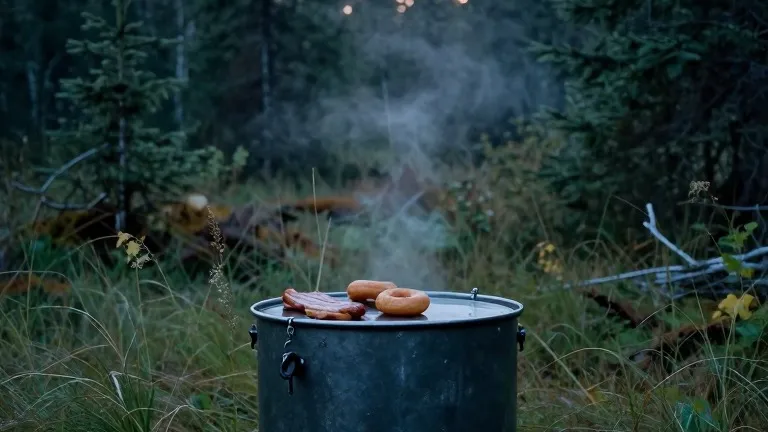
The Department of Interior will permit hunters to lure bears with human food on federal lands in Alaska starting November 12. The rule, published in the Federal Register on Friday, replaces a 2024 ban established during the Biden administration. It allows the use of attractants like bacon, doughnuts, and meat scraps to draw trophy animals into close range.
The new policy defers to state regulations rather than naming specific foods. Nicholas Arrivo, a managing attorney at Animal Protection Law, noted that hunters typically choose high-fat and high-sugar items because they are cheap and effective. The standard practice involves placing food in a steel drum or garbage can, watching over it, and shooting the bear at short range from a nearby blind.
Interior Secretary Doug Burgum framed the decision as a response to local demands. In a press release, he described the measure as a "commonsense framework" that gives Alaskans a stronger voice in decisions affecting the lands, wildlife, and traditions they know best. The rule stems from an executive order signed early in Donald Trump's second administration, titled Unleashing Alaska's Extraordinary Resource Potential.
Opponents argue the change favors trophy hunters over wildlife management. Drew Robertson, senior regulatory specialist for Humane World for Animals, called the provision "cruel and dangerous, not only to wildlife but the public as well." He described the practice as more extreme than traditional hunting, noting that many hunters would not consider it a fair chase. Environmental groups have labeled the new measure "indefensible and inexcusable."
The shift follows a series of recent moves to permit contested hunting methods in Alaska. These include shooting bears from helicopters, targeting swimming caribou from motor boats, killing wolf pups in their dens, and using artificial lights to draw bears out of shelters. While about a dozen states allow bear baiting, the federal rule now extends the practice to national forests and other public lands.
The issue has a long legal history. Barack Obama's administration first imposed a ban, which the first Trump administration reversed. Litigation eventually upheld the Obama rule and overturned the Trump rule. The Biden administration reinstated the ban in 2024, citing science indicating that baiting makes bears more aggressive and endangers park visitors. Arrivo said the new rule raises questions about its legality because it supersedes a process that went through more rigorous scientific review.
No decision has been made on a pending lawsuit challenging the new rule. Arrivo stated that scrapping the 2024 rule, which he argued had a stronger scientific basis, raises questions about the legality of the current policy. He noted that the approach is contrary to federal land management goals of preserving wildlife diversity, as Congress created the federal land program to place decision-making power with the federal government rather than the state.