Apple Surges Production of First Foldable iPhone After Demand Outpaces Supply
The tech giant has raised its first-year shipment target for the iPhone Duo to 14 million units after initial delivery delays signaled massive consumer interest.
By Beatrice Gray ·
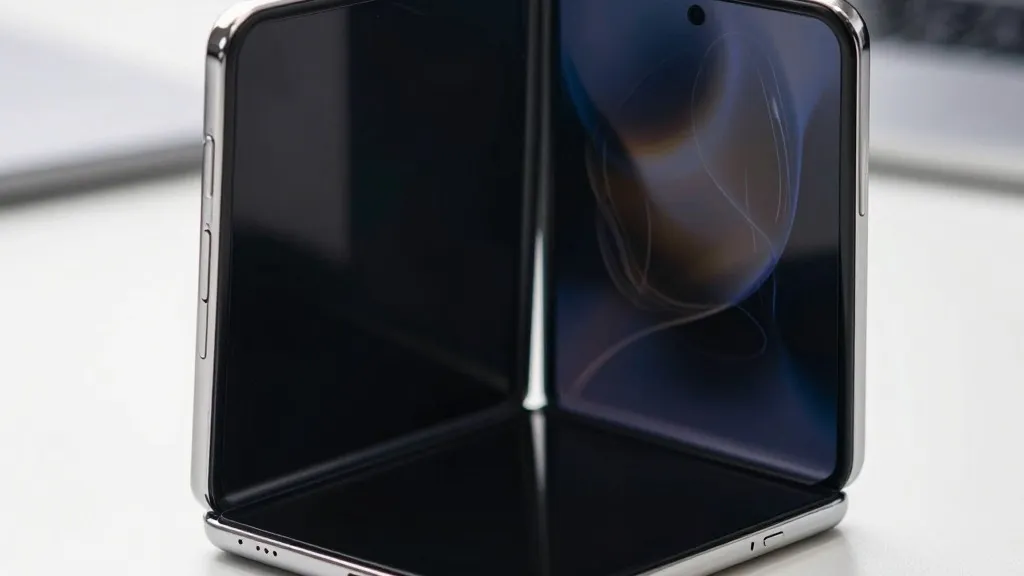
Apple has significantly expanded its manufacturing plans for the iPhone Duo, its first foldable smartphone, after supply chain data revealed a substantial increase in production orders. The company has raised its shipment targets for the device from an initial estimate of 9.7 million units to 14 million units over the first twelve months. This strategic pivot comes directly in response to the overwhelming volume of pre-orders that flooded in shortly after the device became available for purchase.
The decision to boost output appears to be a direct reaction to the logistical challenges encountered during the pre-order phase, which opened on Friday. Almost immediately, customers reported that their estimated delivery dates had shifted, with some being pushed as far out as late January. While such delays can sometimes indicate supply chain inefficiencies, the speed at which these dates changed suggested that the primary bottleneck was simply the sheer volume of interest rather than a failure in manufacturing capability.
Apple attributed the extended wait times to what the company labeled as "extraordinary" demand for the new hardware. This is a phrase the company has frequently employed during previous high-profile iPhone launches, often serving as a signal of strong market reception. To manage the influx of orders and mitigate the risk of scalping, the company implemented a cap of two units per customer. This measure was designed to ensure that the initial wave of devices reached genuine consumers rather than resellers.
As anticipated in such scenarios, some early adopters began receiving updated shipping estimates that were earlier than their initial projections. This adjustment aligns with reports from DigiTimes, which cited supply chain sources indicating that Apple has actively ramped up production to meet the heightened demand. The shift in shipping dates suggests that the manufacturer is successfully scaling its output to match the revised targets.
Despite the positive production news, early users of the iPhone Duo are facing a common hurdle with new operating systems and form factors: third-party app optimization. Many applications have not yet been fully adapted to the device's unique interface and hardware specifications. However, Apple maintains that the situation is improving rapidly as developers prioritize updates for the new platform. This issue has been highlighted in several early reviews, where app compatibility was noted as a significant factor in the user experience.
Another point of discussion in the initial reviews was the inclusion of Touch ID on the iPhone Duo, which some observers viewed as a step back from the biometric standards established by previous flagship models. However, the latest information suggests that Apple is already looking ahead to the next iteration. Reports indicate that the company is currently testing prototypes for the iPhone Duo 2 that incorporate Face ID, signaling a potential return to its preferred facial recognition technology in future foldable models.
The move to increase production by more than 40 percent underscores the high stakes surrounding the launch of Apple's first foldable device. The transition from a 9.7 million unit target to 14 million units reflects a confident assessment that consumer appetite for this new form factor will remain strong throughout the year. This expansion also places increased pressure on the supply chain to maintain quality and efficiency at a larger scale.
For the national audience, the iPhone Duo represents a significant shift in how consumers might interact with their smartphones, offering a larger canvas for multitasking and media consumption. The rapid response from Apple to the pre-order surge demonstrates a willingness to adjust its strategy in real-time based on market feedback. As more units arrive in the coming weeks, the focus will likely shift from logistical delays to the long-term usability and software ecosystem of the device.
The integration of the iPhone Duo into the broader Apple lineup also has implications for the company's competitors, who are similarly exploring foldable technologies. By committing to such a large initial production run, Apple is signaling its intention to establish a dominant presence in this emerging market segment. The coming months will be critical in determining whether the initial excitement translates into sustained usage and satisfaction among the millions of customers expected to receive the device.