Biscochitos and Blue Corn: A Menu Rooted in History
Indian Pueblo Kitchen serves 48 dozen cookies weekly to Albuquerque airport while operating on the site of a former federal boarding school.
By Bianca Ruiz ·
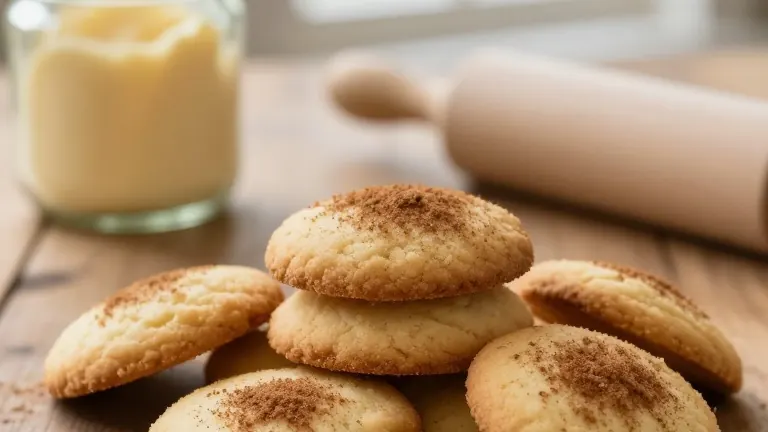
The Indian Pueblo Kitchen bakes at least 48 dozen biscochitos every week for its café inside Albuquerque’s airport. These shortbread cookies, spiced with anise and rolled in cinnamon sugar, are New Mexico’s state cookie. The restaurant that produces them sits on the grounds of the Indian Pueblo Cultural Center, a museum and cultural hub established in 1976 by the 19 Pueblo tribes of the state.
The center occupies land where the Albuquerque Indian School operated from 1881 until the early 1980s. That institution was one of hundreds of federally funded boarding schools created to separate Native children from their families, languages, and spiritual practices. Monique Fragua, the center’s president and CEO, said the site now allows visitors to experience Pueblo culture through exhibits, food, and hospitality.
“Whether that’s through our exhibits, or our food, or in our gift shop, we can celebrate the art of our Pueblo communities,” Fragua said. She noted that the campus transforms a history of imposed identity into a space of resilience. “We’ve created a campus that’s built on resilience, empowering our voices and truly telling the stories of who we are as Native people,” she added.
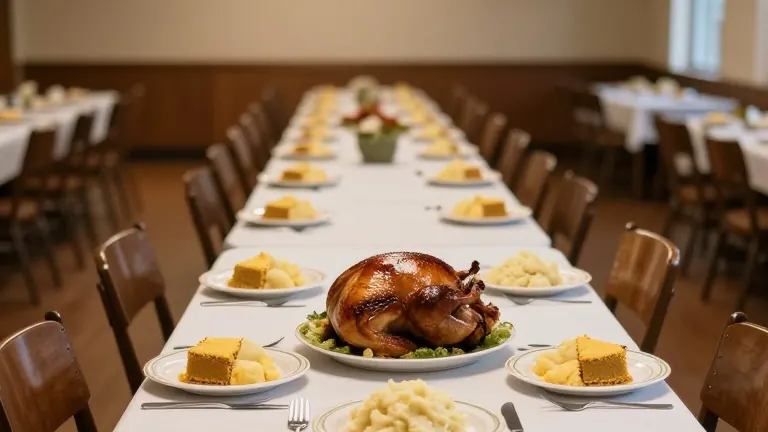
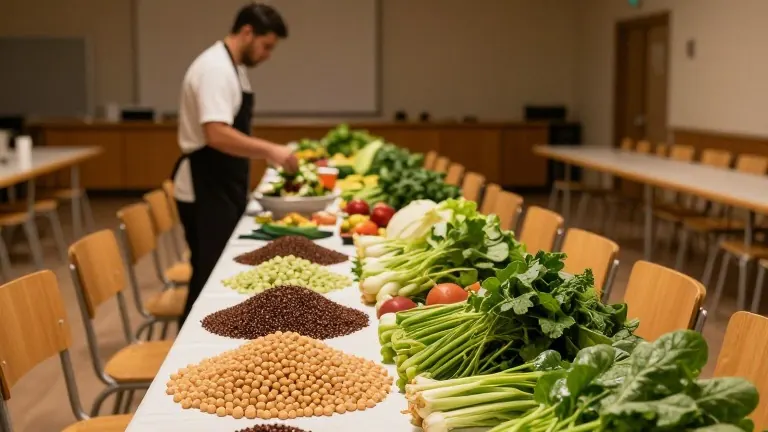
The restaurant’s menu features Native American and Southwestern dishes. Blue corn enchiladas are served “Christmas style,” split between red chile sauce and green chile sauce. Other offerings include chile posole with beef short ribs, Indian tacos on homemade fry bread, and a social media favorite: pickles marinated in cherry Kool-Aid, deep-fried, and served with green chile ranch sauce.
Rita Toledo, a baker from Jemez Pueblo, oversees the kitchen’s pastry production. She uses lard as a primary ingredient, explaining that while butter or shortening can be substituted, “lard’s the only way to make good biscochitos.” Toledo has baked her whole life and said rolling dough calms her. “Your energy comes out on your dough,” she said, advising her staff to arrive in a good mood so the products turn out well.
Local residents and tourists dine at the restaurant, which is located just a few miles from Route 66. Rolf Pendall, a local patron, described his meal: blue corn waffles for breakfast and a “sweetheart’s plate” of enchiladas and pinto beans. Visitors from Pennsylvania, including Kathy Allio, also frequent the spot. Allio praised the red chiles in her bean chili with elk meat, noting they are flavorful without being overly hot.
Toledo creates variations on traditional recipes, such as a chile pepper biscochito that balances sweet and heat. The restaurant operates as part of the cultural center, connecting dining with the historical significance of the location. The kitchen’s output extends beyond the main dining room, with the weekly batch of 48 dozen cookies serving customers at the airport location.
Fragua emphasized that the Pueblo community sees itself reflected in the galleries, programming, and menu. The center stands on land that was once used to change the identity of Native people, a narrative the current leadership plans to redefine through its cultural and culinary offerings.