Earthquake in Northern Tibet Leaves Families in Ruins as Rescue Efforts Face Snowfall
A magnitude 7 quake struck near Nagqu, destroying hundreds of homes and injuring dozens in a remote, high-altitude area.
By Maya Bauer ·
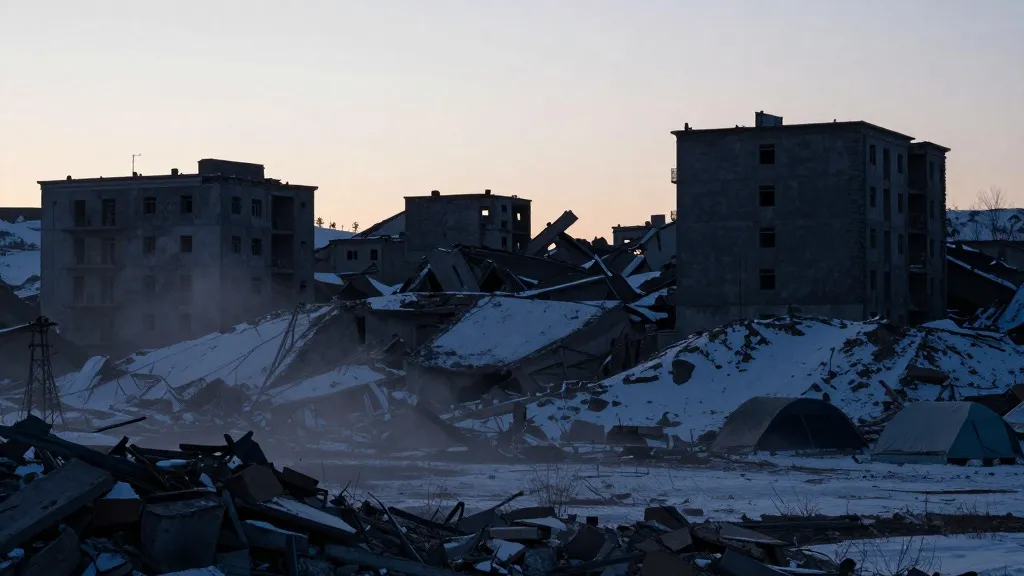
Residents in a remote corner of northern China are dealing with the immediate aftermath of a powerful tremor that struck late Thursday evening. The earthquake, which registered as a magnitude 7 event, caused widespread destruction to housing and infrastructure. For the people living in this high-altitude region, the impact has been sudden and severe, with hundreds of structures collapsing and leaving families without shelter.
The U.S. Geological Survey provided specific details on the seismic event, noting it occurred at 10:33 p.m. local time. The quake happened at a depth of 18 kilometres. Its epicenter was located 191 kilometres east-northeast of the city of Nagqu. This area is described as sparsely populated, which may have limited the number of people caught in the initial collapse, though the damage to remaining structures remains significant.
Official media reports indicate that at least 16 people have died in the earthquake. An additional 46 individuals were injured. Of those hurt, 11 are in serious condition, while the other 35 sustained minor injuries. The local media office, citing city government sources, stated that at least 339 homes and 20 livestock sheds have fallen. Search and rescue operations are still ongoing in the affected zones.
The city of Nagqu lies more than 300 kilometres north of Lhasa, the capital of the Tibetan region. The area is known for its difficult terrain and cold weather, which adds complexity to the relief efforts. More than 1,600 people from the local county have been mobilized to assist with rescue work. These responders are working to clear debris and locate survivors in the collapsed structures.
Relief supplies have begun reaching the disaster zone. Logistics teams have delivered 1,000 prefabricated housing units to provide immediate shelter for displaced families. In addition, roughly 3,000 tents and folding beds have been sent to the area. Flashlights and winter clothing are also part of the relief package, recognizing the cold conditions that residents face during the night.
Communication networks have been affected by the seismic activity. Xinhua, the official news agency, reported that communication was down in part of the region on Friday. This disruption can slow the coordination between rescue teams and local authorities. It also makes it difficult for families to contact loved ones in the affected villages and towns.
Transportation links have been suspended to ensure safety. Local railway authorities took emergency action to stop trains from passing through the affected area. The quake also triggered rockfalls, which forced officials to close a section of National Highway 317. Currently, only emergency, rescue, and official support vehicles are allowed through the closure while crews work to clear the road of debris.
Weather conditions are expected to complicate the recovery process in the coming days. Xinhua reported that intermittent snow is forecast across the quake zone for the next three days. This snowfall could make roads slippery and visibility poor for rescue workers. It may also slow the distribution of supplies to the most remote parts of the region.
CCTV, China's national broadcaster, identified this as the largest earthquake to hit the region in the past five years. The scale of the event highlights the ongoing geological risks in this part of the plateau. As the rescue effort continues, the focus remains on stabilizing the area and ensuring that displaced residents have access to warmth and shelter before the winter cold sets in further.