Energy Mandates: Trump Seeks Local Dividends from AI Data Centers
The President has proposed a framework requiring hyperscalers to compensate nearby residents for energy impacts, aiming to reduce public resistance to new facility construction.
By Maya Bauer ·
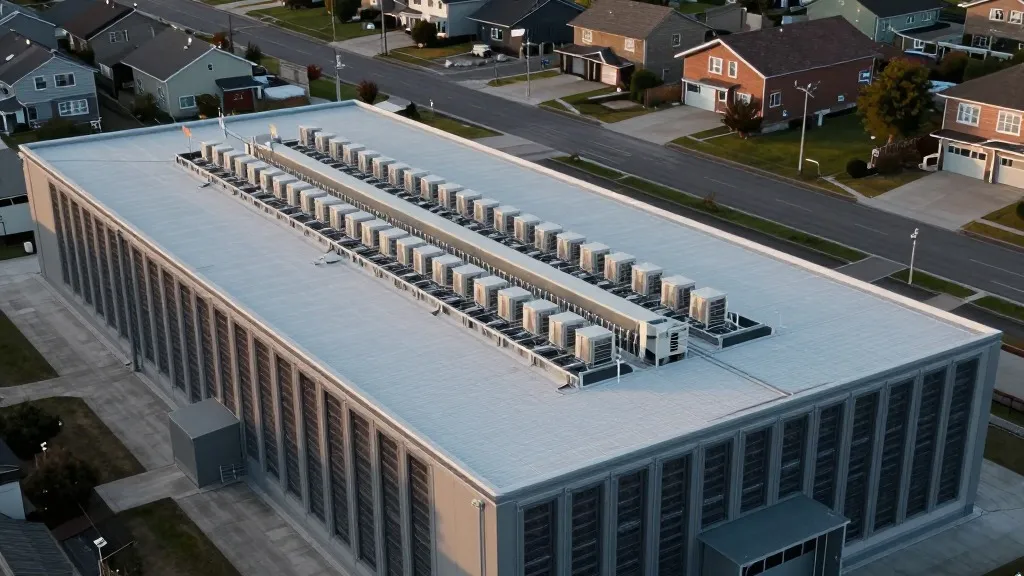
President Donald Trump has signaled a new policy direction for the artificial intelligence infrastructure sector, calling for data center operators to provide financial dividends to local communities. In a recent post on Truth Social, the President outlined a strategy where hyperscalers would not only generate their own electricity but also sell or give back excess power to neighboring areas. This move is designed to mitigate rising utility costs for residents, potentially lowering prices in regions hosting large-scale AI facilities.
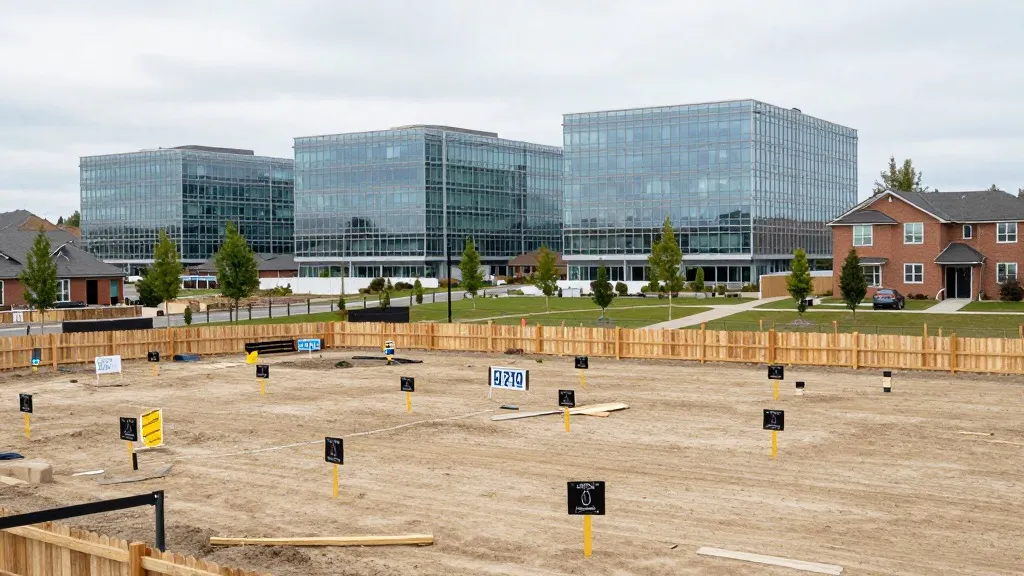
The proposal addresses a growing friction point in the U.S. energy market. As the race to expand AI capabilities intensifies, local municipalities have increasingly pushed back against new data center projects. Residents in small towns and suburban areas have cited significant disruptions, including soaring electricity bills, increased noise levels, and strain on water resources. By mandating a form of community benefit, the administration aims to make these essential infrastructure projects more socially acceptable while maintaining momentum in the global AI competition against China.
This directive builds upon previous executive actions that required data center developers to secure their own power sources. The administration has argued that relying on the public grid places an undue burden on local taxpayers, particularly regarding grid upgrade costs. A recently passed act already compels data centers to shoulder the expense of necessary infrastructure improvements. The new 'dividend' concept extends this logic by suggesting that any surplus energy generated by these self-sufficient facilities should flow back to the local economy, directly offsetting the price hikes that have fueled recent community protests.
Trump emphasized the economic leverage available to developers, noting that data centers often face intense local opposition until a financial agreement is reached. In his post, he urged industry leaders to 'MAKE DEALS, and get them built!!!', suggesting that a direct financial exchange can transform hostile communities into supportive partners. The strategy relies on the premise that the cost of appeasing local stakeholders is lower than the cost of stalling construction or facing regulatory hurdles.
However, the practical implementation of such a mandate remains under scrutiny. Critics argue that the term 'dividend' may be misleading, as it typically implies a payout from profits, whereas new data center facilities are often in the capital-intensive phase of construction. Furthermore, the immediate power generation methods used by many of these facilities involve gas-powered generators, which are efficient for baseline load but may not fully address local concerns regarding pollution and noise. The long-term goal is to integrate cleaner energy sources, but the near-term benefits to local utility rates depend heavily on the volume of excess power available for sale.
From a market perspective, this policy introduces a new variable in the cost structure for AI hyperscalers. Companies will need to factor in potential community payments or energy discounts into their operational budgets. While this could lead to slightly higher short-term costs for developers, it may accelerate the approval timelines for new sites. The administration views this as a necessary trade-off to maintain the U.S. lead in AI infrastructure, ensuring that the physical expansion of data centers is not slowed by local political resistance.
The success of this initiative will depend on whether the financial benefits are substantial enough to outweigh other non-economic grievances, such as water usage and ecological impact. If the energy dividends fail to sufficiently lower local utility bills, community support may remain tentative. Nevertheless, the move signals a shift toward a more integrated model of data center development, where local stakeholders are no longer just passive consumers of the grid, but active participants in the economic benefits of AI infrastructure.
As the industry adjusts to these new expectations, investors and analysts will be watching how major players respond to the call for community engagement. The mandate for self-generation and local energy sharing sets the stage for a new era of utility negotiation, potentially reshaping how AI companies interact with the municipalities that host their most critical assets.
More Business · Buyer Beware · Report a business · Got a Story?