Utilities shift over $1.4 billion in storm costs to customers
An analysis by the Climate Action Campaign identifies 23 utilities in 18 states raising bills for climate damage while maintaining heavy reliance on natural gas.
By Beatrice Gray ·
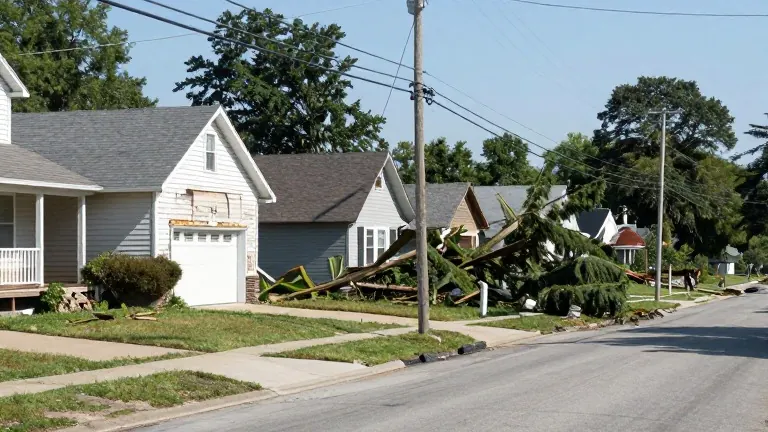
Duke Energy Florida customers have paid more than $1 billion to cover recovery costs from the 2024 storm season, which included Hurricane Debby. This figure exceeds the $400 million in damages that Tampa Electric customers absorbed from Hurricanes Helene and Milton. A new review by the Climate Action Campaign indicates that electric utilities across the country are transferring the financial burden of extreme weather to ratepayers while continuing to burn fossil fuels.
The analysis found that at least 23 utilities operating in 18 states are increasing customer bills. These rate hikes aim to recover expenses from recent extreme weather damage or to harden the electrical grid against future events. Gabrielle Levy, the senior communications director at the Climate Action Campaign, stated that 18 of these companies lack sufficient clean energy goals. Her list includes major Florida providers such as Tampa Electric, Florida Power & Light, and Duke Energy.
Levy criticized these companies for refusing to address the root cause of the damage. "They are refusing to help to solve the problem that is causing the damage in the first place," she said. While Florida energy companies plan to expand solar power over the next decade, they continue to rely primarily on natural gas. This fuel source replaces coal but still releases climate-warming gases into the atmosphere.
The campaign argues that ratepayers are paying for the consequences of climate change without being responsible for its causes. Levy noted that these are not insignificant numbers at a time when many people are struggling financially. She said storm damage is contributing to a wider affordability crisis that affects everyday expenses and healthcare costs.
For Floridians, the impact of a warming climate is visible in daily life. Levy described how residents experience high tide flooding along the coast, increased heat, and higher mosquito populations. She characterized these events as climate-driven extreme weather that is worsening compared to previous decades.
Levy said she hopes the next Congress will restore tax credits and incentives. These measures would make it easier for utilities and individuals to choose renewable energy sources.
The review by the Climate Action Campaign highlighted the financial link between utility infrastructure and climate impacts. The data shows that while utilities seek to protect their assets, customers bear the immediate cost of repairs and grid upgrades.
More Business · Buyer Beware · Report a business · Got a Story?