Wolves Move Into Finnish Villages as Google Halted for Clearing 1,300 Acres for AI Sites
Regulators ordered the tech giant to stop work after unauthorized clearings disrupted local ecosystems and displaced wildlife into residential areas.
By Bianca Ruiz ·
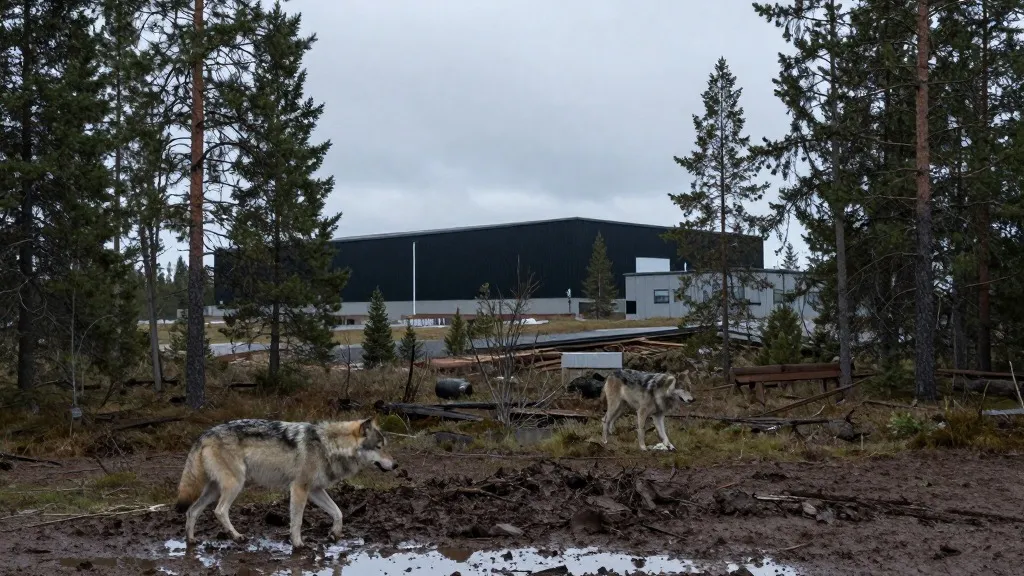
Finnish regulators have intervened to pause major tech infrastructure projects after a dispute over environmental compliance escalated into a local wildlife crisis. The sudden halt in construction has forced a reevaluation of how quickly large scale data centers can be deployed without disturbing established ecosystems.
The financial and physical scope of the project was significant. Google cleared approximately 1,300 acres of forest in the region. Of this total, 816 acres were converted into large expanses of mud following the unauthorized work. An additional 500 acres were cleared in a separate area, bringing the total impact to thousands of trees and acres of land. The scale of the disturbance prompted the Finnish Licensing and Supervision Authority to issue a formal order to cease development activities.
The order to stop work covers two distinct locations. The first site is near Muhos, where the most extensive clearing took place. The second site is located 55 miles southeast of the village of Otanmäki, near Kajaani. These areas were selected for the construction of new AI data centers. The intervention by the state authority marked a sharp break in the company's ability to proceed without oversight.
Local residents report that the changes in the landscape have had immediate effects on animal behavior. Anni Ranta, a 53 year old resident whose family has lived in Otanmäki for generations, explained the shift. She stated, “We had wolves coming into the village because all the wild animals moved out of the forest.” This movement of predators into human settlements has raised concerns about safety for families living in the countryside.
Ranta also expressed broader geopolitical worries. She fears that the presence of U.S. owned data centers in the region makes Finland a more attractive target for Russian aggression. This sentiment reflects a growing tension between global tech expansion and national security considerations in northern Europe. The local community is caught between economic opportunities and environmental risks.
The dispute is not limited to the issue of displaced wolves. Residents have complained about construction noise and factory sounds that have become a constant presence. They also report that local streams have turned brown due to runoff from the cleared land. Rare bird species have been pushed out of their habitats, further altering the local biodiversity. These complaints highlight a pattern of environmental side effects seen in other countries where AI infrastructure is expanding rapidly.
The Finnish Association for Nature Conservation indicated that Google's handling of environmental policy was unprecedented and clear in its deviation from norms. The association's representative told The Guardian that the company seemed to rush through regulations. The regulatory body, LVV, agreed with the assessment and issued the stop order. This suggests that the government views the company's actions as a serious breach of established procedures.
Despite the halt in work, Google maintains a positive outlook on its relationship with the country. A spokesperson for the company said, “We will fully comply with LVV’s requests in this matter.” The company added, “We look forward to maintaining an active, open dialogue with all authorities to strengthen our partnership with Finland and local organizations.” This response aims to project cooperation while the company likely hopes to leverage the promised business benefits of the data centers to influence regulators.
The situation underscores the growing friction between the rapid deployment of artificial intelligence infrastructure and local environmental protections. Google had previously been given notice to stop construction in Muhos and Kajaani earlier this month. The recent reports of wolves roaming into villages add a human element to the environmental debate. The company now faces the challenge of balancing its global AI ambitions with the specific needs and concerns of the Finnish communities where it operates.
The stakes extend beyond the immediate construction sites. The incident serves as a cautionary tale for other regions considering hosting large scale data centers. The disruption of natural habitats can have cascading effects on local wildlife and human safety. As the debate continues, the focus remains on how to implement advanced technology while respecting the ecological balance of the host country.