20,000 Microduck Robots Sold After Nvidia CEO Demo
Preorders for the open-source robot duck surged past twenty thousand units following a viral demonstration at a recent technology conference in Berlin.
By Beatrice Gray ·
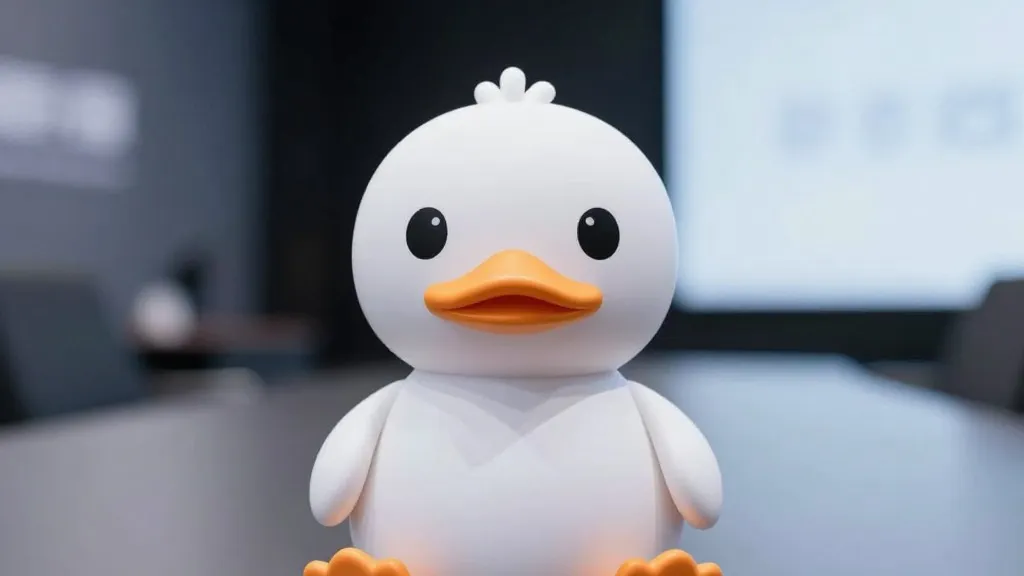
Preorders for the Microduck robot surpassed 20,000 units within a day of a high-profile demonstration, signaling a rapid surge in consumer interest for the device. The milestone was confirmed by Clem Delangue, a representative for Hugging Face, who announced the figure in a public social media post. This immediate spike in sales occurred following a keynote presentation at the GTC Berlin conference, where Nvidia CEO Jensen Huang was seen interacting with a group of the small robots. The video of the interaction quickly gained widespread attention, transforming the device into a viral sensation within the tech community and broader media circles.
The robots captured the public imagination through their distinctive physical behaviors and sound effects. During the demonstration, the Microducks performed a series of actions including sitting, falling to the floor to simulate a nap, and executing somersaults in response to voice commands. They also produced small noises reminiscent of the droid R2-D2 from the Star Wars franchise while stomping their feet. These features contributed to a perception of the device as both technologically capable and endearing, a combination that drove the initial wave of orders.
The primary figures involved in this commercial success are Jensen Huang, the chief executive of Nvidia, and Clem Delangue, who represents Hugging Face. Huang’s participation in the keynote served as the catalyst for the viral moment, placing the product in front of a large audience of industry professionals and attendees. Delangue provided the crucial data point regarding the sales velocity, validating the public’s enthusiasm with concrete numbers. Their roles highlight the intersection of corporate leadership and product marketing in driving the adoption of new hardware.
The Microduck is an open-source device originally produced by Pollen Robotics. The company was acquired by Hugging Face in 2025, a deal that established a direct link between the robot’s developer and the AI platform. Subsequently, Nvidia purchased Hugging Face in September, making the Microduck part of the GPU giant’s broader portfolio. This is not Hugging Face’s first foray into robotics, as the company previously released the Reachy Mini, another device noted for its appealing design. The layered corporate ownership underscores the strategic importance of consumer robotics within the current tech landscape.
The technology behind the Microduck relies on Nvidia’s proprietary stack for training and simulation. The robots are shipped with pre-trained abilities to walk, sit, and stand, which were taught through simulated environments. Pollen Robotics has indicated that owners will have the flexibility to train their units with new tricks. Furthermore, the company plans to allow users to share these custom-trained behaviors with the wider community, fostering an ecosystem of shared innovations around the device.
The timing of the preorder surge aligns with the holiday shopping season, with deliveries expected to arrive before Christmas. This positioning suggests that the Microduck is poised to compete as a top-selling toy for the year. Delangue has suggested that the robot could become the best-selling unit of its kind, noting that the promotional materials feature adults interacting with the device as well as children. This dual demographic appeal may broaden the market reach beyond traditional toy buyers.
The viral success of the Microduck arrived during a period of heightened scrutiny for the artificial intelligence industry. Earlier in the week, the sector faced significant criticism as AI involvement was linked to a series of cyberattacks. The lighthearted nature of the robot demonstration provided a contrast to the more serious concerns regarding AI security and implementation. The shift in public focus from potential risks to playful applications highlights the multifaceted public perception of the technology.
The rapid accumulation of preorders indicates a strong consumer appetite for interactive, open-source hardware. The combination of corporate backing from Nvidia and Hugging Face, along with the viral marketing effect of the CEO demonstration, has created significant momentum for the product. As the holiday season approaches, the Microduck may serve as a benchmark for how consumer robotics can capture mass market attention through a blend of technical capability and aesthetic charm.
The story of the Microduck illustrates the evolving role of robotics in consumer electronics. By leveraging open-source principles and community-driven training, the device offers more than just a static toy. It provides a platform for engagement and customization. The financial success reflected in the 20,000 preorders suggests that investors and consumers are increasingly willing to adopt new robotic forms, provided they are presented in an accessible and engaging manner.