BBC retains gritty visuals in new ocean series to verify authenticity
Producers explain that keeping murky water and visible equipment in Blue Planet III counters growing skepticism about artificial intelligence.
By Bianca Ruiz ·
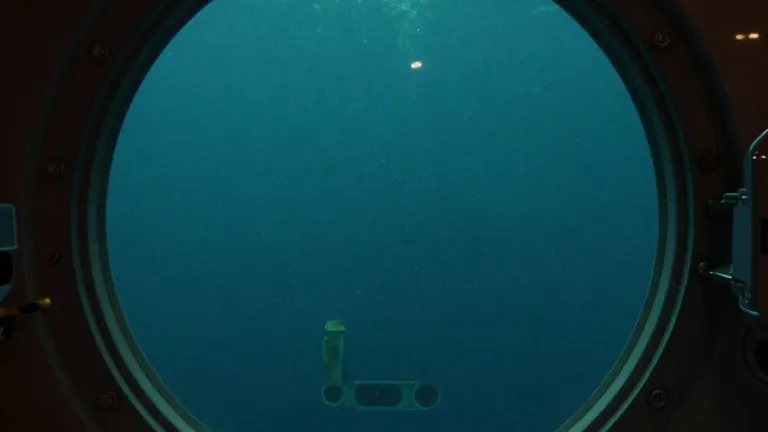
The producers of Blue Planet III have deliberately retained cloudy and unpolished footage to reassure viewers that the new BBC series is real.
The decision comes as artificial intelligence generates increasingly convincing video, leading the natural history unit to embrace a more organic aesthetic. Executive producer Elizabeth White stated that the rise of AI makes the team want to be even more authentic. She noted that the animals filmed in the deep ocean are likely more remarkable than AI could imagine and are completely real.
In previous productions, editors often removed sequences containing plankton, boats, or buoys if water conditions were poor. For this series, those details remain in the final cut. White said the team is really leaning into that authenticity and expects to use even murkier imagery as AI technology continues to grow.
Jack Bootle, the BBC's head of specialist factual commissioning, provided journalists with a specific guarantee during a press screening. He confirmed that no generative AI was used in the series and that not a single frame is artificial. He described the project as bursting with novel behavior, despite viewer familiarity with natural history programming.
The series features several new animal behaviors recorded over four years of filming across five oceans. These include dolphins using sea sponges to block coral holes and trap fish, a technique captured by an underwater CCTV camera nicknamed the stonefish. Other sequences show a grouper communicating with another species, 200,000 crabs lining up to feed, and sea urchins using shells as protection from the sun.
Producer Yoland Bosiger developed the stonefish camera for the program. The team also built a mini-dome camera to follow an octopus and created a deep-sea selfie stick. Camera operators used leg-mounted scooters to capture immersive diving footage, and lasers helped film deep-sea animals.
The series addresses ocean threats including the climate crisis and pollution. One episode shows warmer seas killing the sea anemones where clownfish live, while the fish attempt to repair their homes. White confirmed that the series continues the plastics theme from the second installment by focusing on pollutants and forever chemicals.
Narrator David Attenborough, who is 100, was very much involved in the production and made changes to scripts. White said he remains excited when shown new footage. The series begins on Sunday 1 November on BBC1 and iPlayer.
More Culture · World news · Report a business · Got a Story?