Border privacy strain grows as 32% device search surge nears record
U.S. Customs and Border Protection data show a sharp rise in electronic device checks, with nearly 48,000 inspections conducted without reasonable suspicion.
By Maya Bauer ·
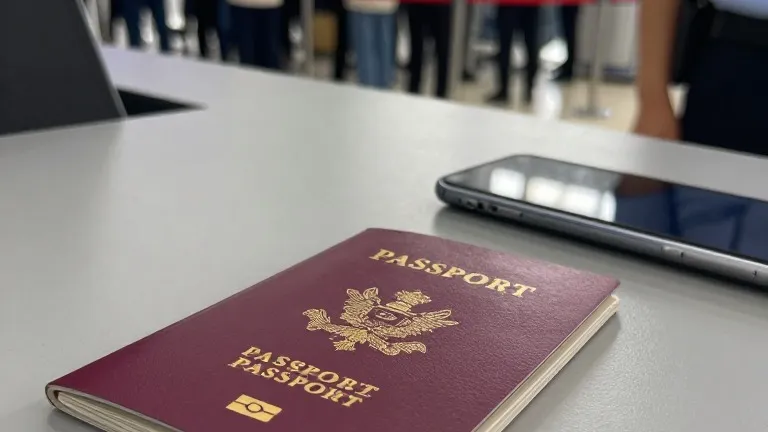
U.S. Customs and Border Protection officers inspected 52,080 electronic devices from travelers during the first three quarters of fiscal year 2026. This period ran from October 1, 2025, through June 30, 2026. The total represents a 32 percent increase over the 39,251 devices checked in the same stretch of the previous year. The current pace puts the agency on track to surpass the all-time record of 55,424 searches set in fiscal 2025.
CBP data categorizes 47,517 of these inspections as basic searches. Officers can conduct basic searches without reasonable suspicion of wrongdoing. The remaining 4,564 were advanced searches. These require reasonable suspicion of unlawful activity or national security concerns and allow officers to analyze or copy device contents.
The agency did not specify how many searches occurred at the Canadian border versus the Mexican border. It also did not break down the data by airports versus land crossings. CBP withheld the total number of travelers who entered the country during this period. It also did not state how many searches involved U.S. citizens compared to non-citizens. These details typically appear in annual reports.
Jessica Turner, a CBP public affairs officer, wrote in an emailed response that the number of affected travelers remains small. She noted that in 2025, only 0.01 percent of the 419 million travelers entering the country had their devices searched. Turner stated that the agency aims to detect digital contraband, terrorism-related content, and information relevant to admissibility.
Esha Bhandari, director of the American Civil Liberties Union’s Speech, Privacy and Technology Project, said the rise warrants more congressional oversight. She said it is difficult to speculate on the reasons for the increase because the government does not explain it. Bhandari argued that when the government holds this power, it tends to use it to the detriment of travelers’ privacy. She described the anecdotes her group hears as troubling, citing cases where travelers were asked about political opinions, writing, or religious practice.
In January, CBP updated its guidelines to include flash drives, SIM cards, GPS systems, unmanned aircraft, vehicle infotainment systems, and smart watches under device searches. The update added smuggling of narcotics and firearms, transnational theft of proprietary information, and digital contraband to the list of detectable crimes. Bhandari said these changes altered only a few procedures at the margins. She suggested the increase may reflect technology advances and the failure of federal courts to limit government authority.
Laura Dawson, executive director of the Future Borders Coalition, said it is hard to judge the increase without knowing where searches occurred or how many people crossed. She noted that the World Cup this summer may have brought a diverse mix of visitors. She also pointed to greater border security focus and closer cooperation between Canadian and U.S. border services, including on human smuggling and the Ryan Wedding case. Dawson stated that one in 9,000 crossings leads to a U.S. inspection, and one in 14,000 leads to a search on the Canadian side. Canadian officials have searched a smaller share of devices than their U.S. counterparts in recent years, and those numbers have been falling. The Canada Border Services Agency said its 2026 statistics are not yet available.