FCC Blocks Two Devices Over Huawei Chip
The agency used new chip-level rules to stop a dashcam and video transmitter from being sold in the US.
By Bianca Ruiz ·
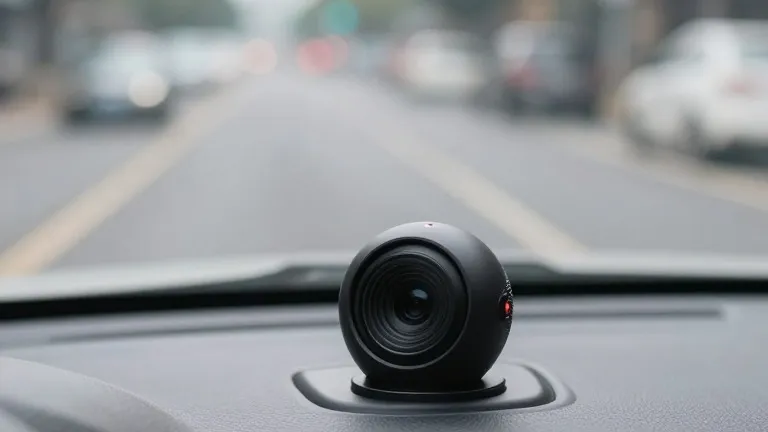
The Federal Communications Commission has barred two consumer electronics products from US sale and marketing.
The action marks the first time the agency has used a recently adopted rule to target the silicon inside a device rather than the brand or model name. The two blocked items are a dashboard camera and a wireless video transmitter.
Both products contain a HiSilicon Smart Vision system on a chip. HiSilicon is a subsidiary of Huawei, which appears on the FCC Covered List of entities considered a risk to US national security. The new rule aims to close a loophole where rebranded products with parts from listed Chinese manufacturers could still reach the market. By targeting the silicon directly, the ban applies to the component itself rather than individual product labels.
The specific chip is the Hi3516CV610 UHD Smart Vision SoC. It is designed for surveillance and camera products, including vehicle dashcams and wireless CCTV systems. The chip integrates WiFi, Ethernet, video encoding hardware, an Arm Cortex-A7 processor, and a neural processing unit for AI functions. The FCC focuses on the NPU, describing it as a device with logic-bearing smart components made by entities on the Covered List.
The chip’s data sheet details an Intelligent Video Engine running on the NPU. It uses a built-in multimodal large model and transformer feature acceleration. This allows the AI to track relationships between objects across video frames, maintaining attention on subjects like pets, faces, human figures, and parcels. For consumers, the feature could help distinguish a pet escaping from a person taking a courier parcel.
The FCC argues the same logic-bearing AI could survey US citizens and log faces for foreign surveillance. Huawei has previously faced controversy over using shell companies to deceive TSMC into manufacturing AI chips despite US requests to halt supplies to certain Chinese customers. That episode, among others, has contributed to previous product bans in the United States.
Reader responses to the initial report were mixed. Some critics called the move protectionist, while others questioned if American surveillance differs from foreign efforts. Commenters also debated the scope of FCC authority over wired versus wireless devices and argued that silicon-based bans would have been more effective from the start due to frequent product revisions.