Household Burdens: Mental Load Predicts Relationship Satisfaction
A new study finds that sharing invisible tasks like scheduling and emotional monitoring matters more for women's happiness than dividing physical chores.
By Bianca Ruiz ·
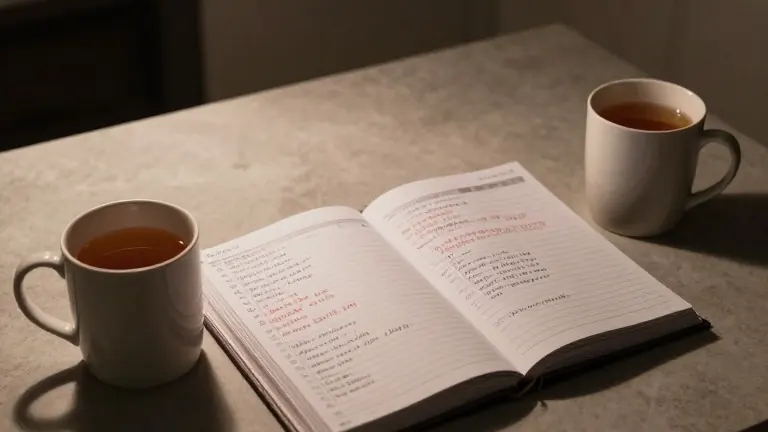
Social psychologists have long debated how domestic labor divides within romantic partnerships, but new data suggests the invisible work often outweighs physical tasks in its impact on partner well-being. Researchers at Bar-Ilan University in Israel and the University of Southampton in the United Kingdom recently published findings that clarify this dynamic. Their work, appearing in the Personality and Social Psychology Bulletin, examines how the distribution of mental and emotional labor affects relationship stability and satisfaction.
The study revealed that women in heterosexual relationships reported higher levels of relationship and sexual satisfaction when they shared the mental burden with their partners. This invisible labor includes tasks such as tracking children's schedules, remembering to buy groceries, and noticing when a partner is emotionally distressed. The researchers found that this sharing of mental load was a stronger predictor of women's happiness than the division of traditional physical chores like cooking or cleaning.
In contrast, men reported greater relationship satisfaction when their female partners took on a larger portion of this invisible work. This dynamic persisted regardless of the participants' views on gender roles. Whether a woman held traditional or egalitarian beliefs, she still shouldered a disproportionate amount of the mental tasks. The data showed that men benefited from having a partner manage the organization of daily life, even if that arrangement placed a heavier load on the woman.
The research team conducted two distinct studies to gather these insights. The first survey included 452 women living with male partners. The second study involved 156 couples, where both partners answered questionnaires separately. This dual-report method allowed researchers to compare how each individual perceived the division of labor in the same household. Participants averaged 42 years of age and had been together for a duration ranging from one to 44 years. About 55 percent of the participants had at least one child.
Verena Klein, a co-author and principal research fellow at the University of Southampton, noted that the gender gap for mental load was wider than for physical chores. Both men and women in the couples data agreed that women performed the lion's share of the invisible work. Klein explained that men may find traditional gender arrangements comfortable because they benefit from the organization without necessarily preferring the inequality consciously. This comfort can make it difficult for women to push for change.
Laura Danger, an educator and author who facilitates couples workshops, supports these findings. She argues that men are not expected to perform as much domestic labor, and their personal worth is rarely judged by it. For women, however, a tidy home often reflects their morality. Danger describes a phenomenon she calls the nag paradox, where women carry the mental load and must ask for help or propose solutions. She believes this dynamic leaves women to manage the household while pushing for fairness on their own.
The study’s lead author, Rotem Kahalon, suggests that couples should aim for equal autonomy rather than a perfect fifty-fifty split. She advises partners not to wait for the other person to ask them to take on a specific task. Kahalon emphasizes that recognizing and sharing the mental work is essential for a balanced relationship. The findings indicate that when couples actively share the responsibility of managing household logistics, women report feeling more satisfied in their partnerships.