Iowa farmer awaits test results after Army detonates lead azide
Sue Dyer lives 18 miles from the blast site and says local officials failed to communicate the path of the toxic plume before it reached her farm.
By Bianca Ruiz ·
The U.S. Army detonated approximately five tons of lead azide on November 26, the day before Thanksgiving, creating a cloud of toxic material that drifted over Iowa farmland. Lead azide can damage human brains, hearts, and kidneys, and officials warned that traces of the substance could travel up to 100 miles from the site.
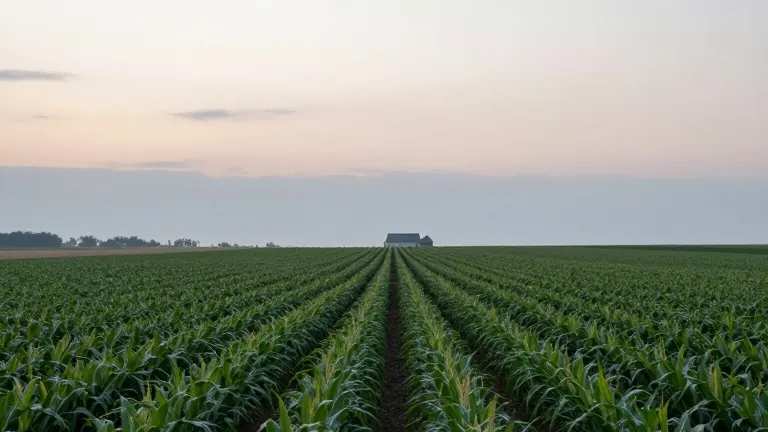
Sue Dyer owns a corn and bean farm in Salem, Iowa, located 18 miles southwest of the detonation site. Her property sat directly in the path of the plume. Dyer said she and her neighbors were unaware of the test until the previous week, and officials did not provide a projection of where the smoke would travel until the day of the explosion.
Residents were instructed to stay inside their homes for 24 to 48 hours following the blast. Dyer described the communication from local and federal officials as poor. She noted that some people believe the area is completely safe, while others fear the worst. Dyer said she is waiting for data from both government and independent laboratories before forming an opinion on the safety of her land.
Dyer’s brother, an environmental engineer, reviewed the Army’s chain of command and testing protocols. He told her there were reasons to question the government’s immediate assurance that the air was clear. Dyer said she feels angry about the handling of the event, noting that the Army knew about the lead azide problem in 2009. She described the management of the incident as incompetent at every level.
Farmers in the region are currently taking samples of soil, water, and air to verify the presence of lead. Dyer said her farm had samples taken before the explosion, and she plans to collect samples from the same locations again. She acknowledged that if lead is present in the soil, it will be difficult to avoid exposure while walking the fields to collect those samples.
Initial lead tests for soil, water, and air have returned negative results. Dyer said she is hopeful that the tests will confirm the area is safe, but she is waiting for the independent lab results to confirm the government's findings. The corn and beans grown on her farm are destined for markets across the country, making verification a practical necessity for her business.
Dyer said she does not blame the soldiers carrying out the detonation, as they were following orders. However, she is frustrated with the higher-ups who managed the process. She joked that she would like to invite the decision-makers to stay on her farm until the test results are in, so they can see the conditions firsthand.
The independent laboratory tests are the next step for Dyer and her neighbors. Until those numbers arrive, the farmers will continue to monitor their crops and wait for the official all-clear from the agencies responsible for the detonation.