Kavantissa, Sri Lanka's tallest wild bull, dies after leg wound
The 45-year-old elephant, weighing 5,500 kilograms, succumbed to a gunshot injury in Galgamuwa, underscoring the rising toll of human-elephant conflict on the island.
By Beatrice Gray ·
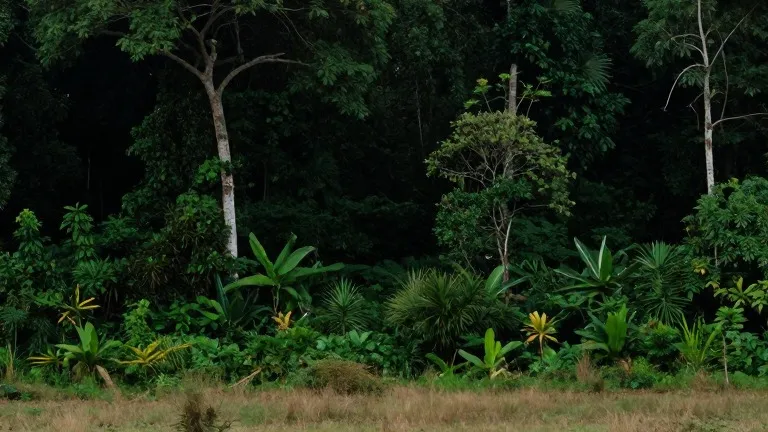
Kavantissa, the tallest living male elephant in Sri Lanka, died on October 16 following a gunshot wound to his right leg. The animal, believed to be 45 years old, stood approximately 3.3 meters high and weighed around 5,500 kilograms. His death has intensified scrutiny on the increasing frequency of violent encounters between residents and wild elephants in the country.
Residents near the village of Galgamuwa in the northwest first noticed Kavantissa limping in late September. A closer inspection revealed the injury on his right leg. Veterinary surgeons treated the wound, but the elephant did not survive. Kavantissa was a well-known figure in the area, and his towering presence had earned him a reputation for dominance and visibility.
The loss of Kavantissa is part of a steady rise in fatalities for both species. Sri Lanka reports the highest number of elephant deaths annually of any country. It also records the second-highest number of human deaths from conflicts with the species worldwide. These incidents typically occur when elephants move onto farmland to forage for food.
Official statistics indicate that since 2019, an average of 370 elephants and 125 people have died each year in such conflicts. The island nation holds about 10% of the global population of Asian elephants, despite covering only about 2% of their natural range. This concentration gives Sri Lanka the highest density of the species anywhere in the world. The Sri Lankan elephant is classified as an endangered subspecies on the IUCN Red List.
Although national law protects the animals with fines and potential jail terms for wildlife offenses, experts note that elephants are still shot, poisoned, struck by trains, or killed by explosives hidden in food. The primary driver of these conflicts is habitat loss. Rural population growth has led to the clearing of land for agriculture, squeezing the space available for wild herds.
The rural population in Sri Lanka grew from 8.25 million in 1960 to 17.8 million in 2020. This increase has intensified the demand for arable land. The Department of Wildlife Conservation estimated there were 7,451 wild elephants in 2024. Approximately 70% of these animals live outside protected areas. Each elephant requires roughly 150 kilograms of green matter daily, a need that frequently draws them into agricultural fields where crops are vulnerable.
Ravi Corea, president of the Sri Lanka Wildlife Conservation Society, stated that habitat loss, agricultural expansion, and fragmented corridors are the main drivers of the conflict. He explained that crop losses directly threaten the primary food and income sources for rural families. Corea noted that while a national action plan drafted in 2020 provides a foundation, it requires a comprehensive strategy with enforceable habitat protection to be effective.
Community-led programs are offering some solutions in specific regions. In Wasgamuwa, the Project Orange Elephant initiative encourages farmers to grow citrus crops, which elephants tend to avoid. This approach reduces crop raiding while providing farmers with an alternative income stream. Electric fencing is also used to protect settlements and farmland from intrusion.
The EleFriendly bus service in the same region transports schoolchildren through elephant corridors. This service aims to reduce dangerous encounters that previously prevented children from walking to school. The bus route has cut dangerous interactions along its path by more than 90%. Kamal Shashendra, an environmental ethics researcher based in Sri Lanka, emphasized that any just solution must protect human lives, livelihoods, and elephant populations simultaneously. He highlighted the need for scientifically informed land-use planning, protected corridors, and fair compensation for affected families.
Kavantissa's death serves as a stark reminder of the pressures facing the island's wildlife. The combination of population growth and shrinking forest cover continues to push elephants and humans into closer and more frequent contact. The 45-year-old bull's passing adds to the annual count of losses that define the current state of human-elephant coexistence in Sri Lanka.