Kyiv's 2026 Casualty Count Surpasses Entire Prior Year
Subway stations serve as night shelters for thousands as Russian strikes kill 140 residents in the first eight months of the year.
By Maya Bauer ·
Kyiv's military administration reports 140 deaths in the capital during the first eight months of 2026.
That figure already exceeds the 172 people killed in the city throughout all of 2025. If the current pace continues, this year will stand as the deadliest for Kyiv since the full-scale invasion began in 2022.
Life in the capital has shifted from a rear-guard position to a front-line reality over the past few months. Russian forces have expanded their targeting of the city, forcing residents to adapt to frequent aerial threats. The Lukyanivka district, where many live, has been a repeated target during the war's four years and eight months.
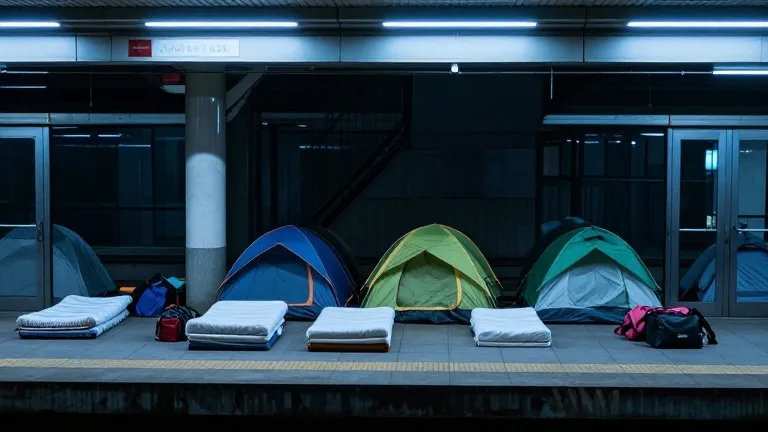
Infrastructure strain has forced residents into public spaces for safety. With too few formal shelters for the city's 4 million residents, subway stations now function as dormitories. Around 10 people lay out mattresses and small tents each night in the stations. Halyna, a resident, holds her 5-year-old son Roman and says, "We're alive. We've been lucky once again." She takes him to the nearest station most evenings, even when sirens do not sound.
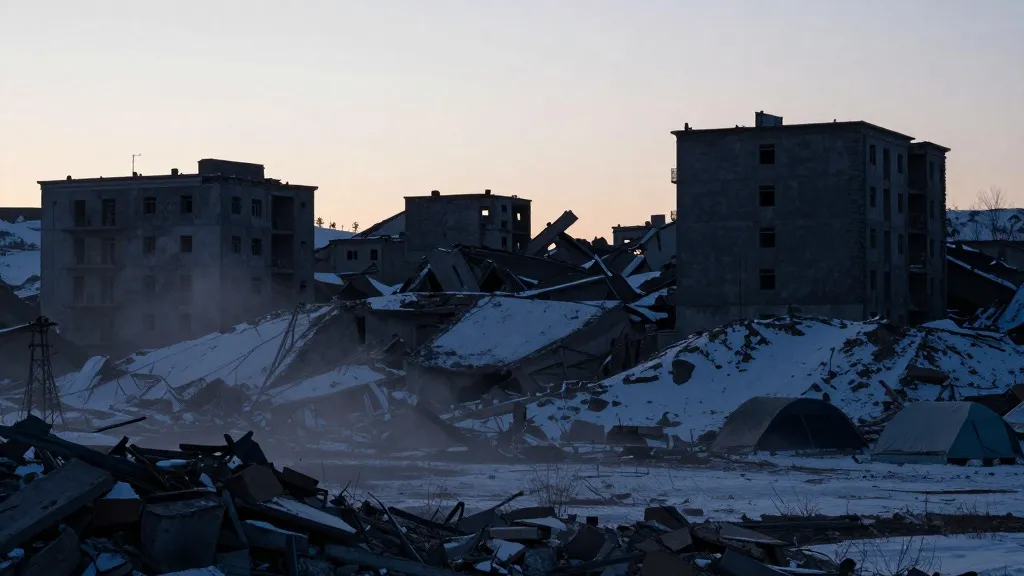
Strikes have also hit residential and educational buildings. In September, a Russian drone struck an apartment in the central Pechersk district, killing 14-year-old Daniel Umanskyj. Neighbor Vlad says he and his daughter were in the hallway, adding, "We were late that day, and this saved our lives." He describes the attackers as "sick monsters" who do not care who they kill. Flowers now mark the damaged building in Daniel's memory.
Schools in southwestern Kyiv also faced a drone strike in early October. Principal Valentyna Chorna says the school continues in-person classes for grades one through nine because its shelter holds more than 500 students. Attendance depends on shelter availability and the duration of air raid alerts. Parents often work while children stay home alone, creating stress during long alarms.
Supermarket shortages have returned to levels not seen since the early months of the war following strikes on warehouses. Emergency power outages resumed at the end of September, and a Russian attack disabled the subway system. The energy infrastructure remains under fire, making it uncertain how the city will maintain heat, electricity, and water through winter. A Kyiv International Institute of Sociology survey from early October found that 72% of residents said in September they were ready to endure the war as long as necessary. Authorities have shortened the curfew to 1 a.m. to 5 a.m. and allow some facilities to operate during yellow alerts. Red alerts, which signal ballistic or cruise missiles or large combined attacks, require immediate shelter.
Residents continue daily routines despite the rising death toll and infrastructure challenges. The city balances military threats with the practical demands of keeping schools open and shops stocked.