New Mexico Politics: Phone Bank Boosts Independent Turnout
A report from Let Us Vote New Mexico indicates that targeted calls raised independent voter participation in the state's first semi-open primary.
By Beatrice Gray ·
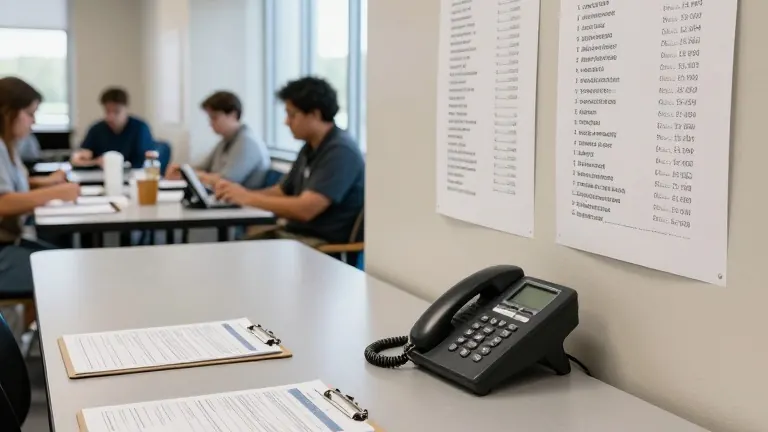
New Mexico’s first semi-open primary election on June 2 saw a turnout rate among independent voters that considerably exceeded expectations, according to a new report by Let Us Vote New Mexico. The organization, a local chapter of the national Open Primaries Organization, attributes the higher participation rates to a specific phone outreach campaign conducted in the months prior to the vote.
The primary allowed independent voters and those who declined to state a party to cast ballots for either the Democratic or Republican party. This change marked a shift from previous rules that required these voters to sit out the primary or register with a major party by election day. However, voters registered with third parties still had to switch their registration to “decline to state” or a major party, a distinction that makes the primary “semi” rather than fully open.
Let Us Vote New Mexico procured voter lists and executed media campaigns to inform the state’s approximately 410,000 independent voters of their new rights. The organization placed calls to more than 125,000 voters. In the end, 11% of independent voters, or about 47,000 people, cast ballots in the primary, according to the report.
John Opdycke, president of Open Primaries, told Source NM in an interview on Monday that he had expected turnout to reach only 5%. “I was hoping we could move the needle by a couple percentage points,” Opdycke said. “I mean, we’re up against a culture in America where even in states that have had open primaries for decades, most people don’t vote in the primaries.”
The report found that independent voters who received a call turned out at a rate of 23.8%. In contrast, 16.5% of independents who were not contacted by the organization voted. Both groups of voters had participated in the 2024 election. Opdycke and other authors of the report noted that the study is not based on a randomized sample, meaning it is not scientific. They described the data as the strongest comparison available and a meaningful baseline for future elections.
Opdycke expressed disappointment regarding the communication from local officials. With just days before early voting began, 20 of 33 county clerk websites did not prominently mention the change in primary rules. “I don’t know the county clerks and how underfunded they are. I’m sure there’s good reasons,” he said. “But it just was disappointing to see how something so simple became so hard.”
The organization views the election as a success that will alter how campaigns operate in the state. Opdycke stated that independents are now part of the equation, which will change how candidates market themselves and whom they reach out to.