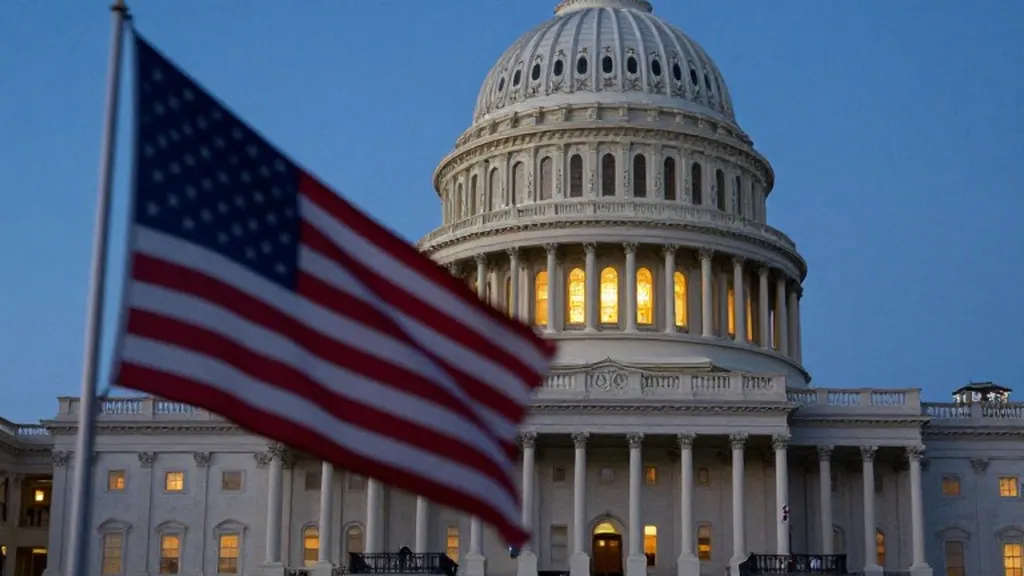
Democrats Secure 54-44 Senate Majority After Losing 42 House Seats
The midterm election results delivered a decisive shift in the upper chamber, giving Democrats control of the Senate while Republicans face a steep climb back to power.
By Maya Bauer ·
Midterm election results compiled by Ballotpedia indicate that Democrats have secured a 54 to 44 majority in the U.S. Senate. This outcome follows the net loss of at least seven previously Republican-held Senate seats by the Democratic Party. The shift in power marks a significant reversal for the Republican Conference, which now enters the minority following a wave election that placed the results in the top 20 percent of historical seat swings against a president's party.
The new Senate majority is the result of a broad sweep across the map. Democrats flipped seats in traditionally competitive states and secured victories in areas that were not initially expected to be competitive. These gains include wins in Texas, Kansas, and South Carolina. The party's success was aided by the recruitment of high-profile candidates who helped stabilize the ticket in key districts. Notable among the incoming members are Sherrod Brown in Ohio and Roy Cooper in North Carolina, both of whom were recruited by the incumbent leadership to help secure the majority.
Despite the victory, the path to leadership within the new Democratic majority has already shown signs of tension. Senator Bernie Sanders of Vermont announced he would not support Senator Chuck Schumer for the position of majority leader. Sanders, an independent who caucuses with the Democrats, stated that the time is now for change and called for a new generation of leadership. He was joined by incoming Senator Elissa Slotkin of Michigan, who expressed a similar desire for a vigorous debate about the party's direction and future.
Senator Slotkin clarified that she is not actively seeking the job herself but wants to see potential leaders present a full plan regarding the priorities for the new majority. She described her stance as a no until she sees a comprehensive strategy from any candidate. This sentiment has been echoed by several incoming Democratic senators who have signaled their support for alternatives to the current leadership team. The progressive wing of the party has been particularly vocal, with many members pushing for a change in direction after the party's march across the Senate map.
Senator Chris Van Hollen of Maryland has emerged as a potential contender for the leadership role. Van Hollen, who has previously stated he is considering a run for president in 2028, is now weighing a bid for the Senate leader position. He noted that he is currently calling his colleagues to gauge their interest and support. It remains unclear how much backing he will receive from the broader caucus, but his name has gained traction among progressives who are looking to reshape the party's agenda.
In contrast, Senator Chuck Schumer has shown few signs of stepping aside, particularly after leading his party to power. He stated at the Capitol that he is confident he will be elected to the position. Schumer emphasized that his focus must be on getting things done in the year ahead. He maintained that the party needs to move forward with a clear agenda to address the concerns of voters who supported the Democratic ticket in this election cycle.
The Republican side of the aisle is processing its losses with a mix of frustration and strategic reassessment. Senate Republicans reelected South Dakota Senator John Thune as leader of the GOP conference. Thune was expected to prevail as he was running unopposed in the secret ballot election. However, the day was marked by tense discussions as the party grappled with the scope of its defeat. Several senators had attempted to delay the leadership decision to allow for more soul-searching, but the conference voted to proceed.
Senator Ron Johnson of Wisconsin, who had pushed for a postponement, walked out of the room as the voting began. He argued that the conference needed to do real soul-searching given the magnitude of the loss. Other senators, including Jim Justice of West Virginia, noted that while the current leadership did not cause the problem, there was a legitimate argument for considering a change in course after losing at least seven seats. The debate highlighted the internal friction within the Republican Conference as it prepares for its new role in the minority.
Senator John Thune, who replaced Mitch McConnell as leader in early 2025, promised a fulsome and robust conversation about where the party goes from here. He emphasized his collaborative approach to management, a style that has helped him maintain close relationships with the rank and file. Thune has navigated the relationship with President Donald Trump during his first two years as leader, often finding a balance between backing the president on policy and maintaining Senate rules. He is expected to emphasize this collaborative stance as the party begins its work in the minority.
The election results also indicate that two additional Senate races in Alaska and Mississippi remained uncalled as of the final data updates. These pending results could further deplete Republican numbers if Democrats secure victories in those states. The uncertainty adds a layer of complexity to the early stages of the new Congress, as both parties look to solidify their positions and plan for the legislative battles ahead. The immediate focus for Democrats will be on establishing the new leadership structure and setting the agenda for the coming year.
The shift in the Senate provides Democrats with the opportunity to oversee the administration and advance their policy priorities. With control of the chamber, the party can shape the legislative calendar and prioritize issues such as cost of living and health care. The Republican minority, led by the new House and Senate leaders, will focus on oversight and building a platform for the 2028 elections. The dynamic between the two parties will be shaped by the distinct personalities and strategies of the incoming leadership teams on both sides of the aisle.