One in three residents of a West Bank village now lives in ancient caves
In Khallet al-Daba, 100 of 120 inhabitants have moved underground after the sixth wave of demolitions left their homes and tents seized.
By Bianca Ruiz ·
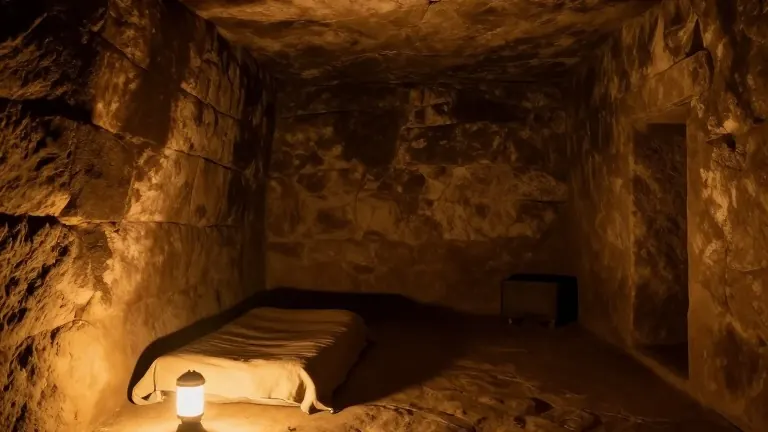
100 of the 120 people living in Khallet al-Daba, a village south of Hebron, have moved into ancient caves. Jaber Dababseh, a spokesperson for the residents, told Al Jazeera that the underground move is no longer a choice. Only two families remain in their houses, and those structures are still marked for destruction. The cave system is damp and poorly ventilated, yet it has become the only stable roof left for most of the community.
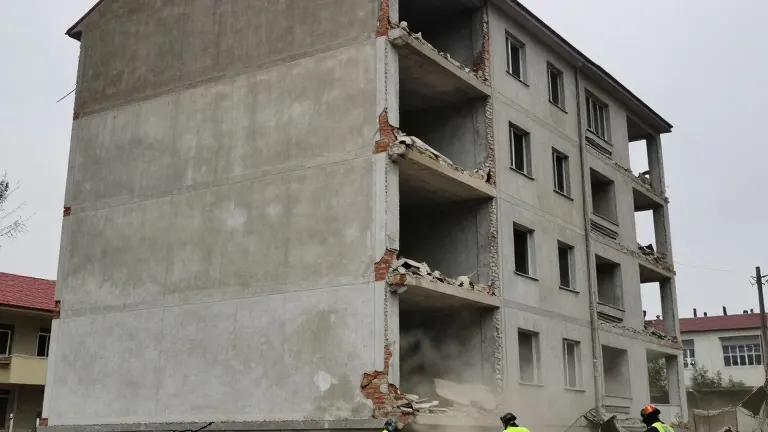
The need for shelter arrived after the Israeli army demolished a section of one cave in early November. The military cited unauthorized renovations for the action. Rainwater from a storm last week seeped into the broken area, forcing Mohamad Dababseh, 60, to spend days clearing water from the space where he and his 12 family members now sleep. This was the sixth time the family’s home has been destroyed. Before the caves, the family lived in tents, which the army also confiscated, leaving them to sleep under trees during the summer of 2025.
The region has faced this pressure for decades. In 1980, Israel declared over 35,000 dunams of the Masafer Yatta area a closed military zone, despite 12 Palestinian communities already living there. Nidal Younis, head of the Masafer Yatta Village Council, said more than 40 families from different villages have since returned to these caves. Some of the spaces date back to the Canaanite and Roman eras. Younis noted that while the caves were once part of traditional life, they are now seen as primitive due to a ban on renovations and structural weakness.
The situation intensified after the war in Gaza began in October 2023. Settler attacks and demolitions rose sharply. Since that date, settlers have built 13 new outposts inside military zones and nine outside of them. In May 2025, the army carried out its largest operation in Khallet al-Daba, destroying every dwelling, including agricultural facilities and water tanks.
The UN Office of the High Commissioner for Human Rights warned in a statement on September 24 that three villages in the area were almost entirely destroyed that month. Residents now struggle to find water because pipes are frequently broken and rainwater wells are seized. Twelve villages in the area currently have no water stock or supply. Electricity is rare, so people use solar lamps that are often targeted. In the last two months, authorities confiscated 13 vehicles and tractors, demanding large sums for their return. Younis described these actions as an effort to isolate the area and push residents out.
Residents are repairing the caves at night to avoid detection. Jaber Dababseh explained that soldiers often order demolitions if they see signs of repairs during inspections. The community continues to reinforce the underground spaces despite the risk of another order to destroy them.
The next step is a continued cycle of inspection and repair. Residents are working to stabilize the structures while waiting for further military actions to determine if the caves can hold.