Iran Plans to Strike Non-Paying Tankers as It Hardens Post-Election Stance
Tehran views the Republican midterm losses as a mandate to demand billions in frozen assets before reopening the Strait of Hormuz to traffic.
By Maya Bauer ·
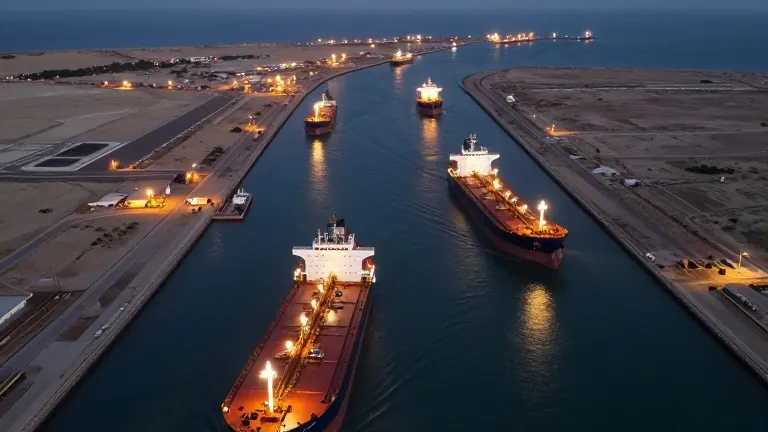
Iranian officials have drafted plans to intensify attacks on commercial tankers that refuse to pay Tehran's transit fees in the Strait of Hormuz, a move designed to force the United States back to the negotiating table. According to a report released by The New York Times on Tuesday, the escalation strategy relies on inflicting economic pain on American voters to capitalize on the perceived weakness of the current administration.
The shift in posture follows the midterm elections, which Iranian leadership interprets as a vote of no confidence in President Donald Trump’s management of the war. American, European, and Iranian officials told the newspaper that Tehran now believes it holds greater strategic leverage than it has had in years. This confidence has led to a refusal to offer further concessions in ongoing talks.
Peyman Salehi, a Tehran-based commentator close to the Iranian government, stated that the regime believes President Trump is under pressure from his own party to end the conflict. "Iran thinks Trump is under pressure from his voters and his party to end the war with Iran," Salehi said. "Therefore, they do not intend to back down. They have grown stronger and now feel very confident."
Intelligence assessments from the United States and Europe suggest the Iranian regime remains open to a deal, but only if Washington grants access to billions of dollars in frozen assets. Disagreement over the sequence of these steps has previously stalled negotiations. Current and former U.S. officials said Iran demands sanctions relief and payments from Arab states before allowing ships to pass freely. Washington insists that Iran must first halt attacks on vessels before funds are released.
Democratic Congressman Jim Himes, who is expected to chair the House Intelligence Committee next year, noted that the election results will influence Iranian behavior. "The message of the elections will not be lost on the regime," Himes said. He compared the economic pressure on Iran to a cornered animal, warning that while the regime may attempt to negotiate, it is likely to react in "pretty wild ways" to advance its position.
The election outcome has also fractured the U.S. negotiating team. After Vice President JD Vance remarked that the war contributed to the Republican defeat, President Trump removed him from the negotiation process. Iranian officials viewed Vance's comments as evidence of deep division within the White House. Trump has now tasked Vance with focusing on domestic issues while he decides between seeking a new agreement, resuming military strikes, or withdrawing the large U.S. force deployed to the region.
Some U.S. officials argue that another round of strikes, particularly against energy infrastructure, could push the Iranian economy toward collapse. However, other officials noted that earlier predictions of such a collapse never materialized. Indirect contacts mediated by regional countries are continuing despite the hardened public stance.
The report also detailed intelligence indicating that Iranian officials discussed the possibility of using chemical weapons or other unconventional attacks. Several U.S. officials expressed skepticism about the reliability of this information. Western intelligence agencies assess that Supreme Leader Mojtaba Khamenei is closely aligned with the hardline camp and is actively functioning, rather than serving as a mere figurehead.