Parents say world is less kind, but kids are more empathetic
A new survey of 2,080 caregivers finds a sharp rise in worry about social division, alongside a decade-long increase in children’s independent acts of kindness.
By Bianca Ruiz ·
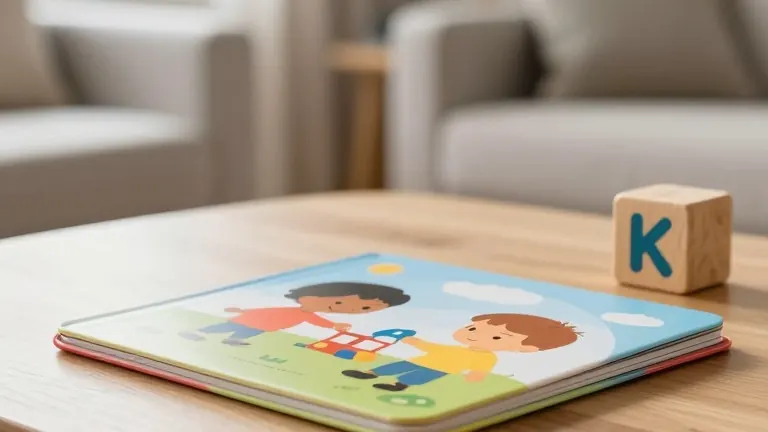
Caregivers of young children are increasingly convinced that the world is a harder place for kids, yet they report seeing more empathy and resilience in their own children than a decade ago. That is the central finding of the "K is for Kind Study 2026," a survey released Monday by Sesame Workshop.
The data reveals a stark contrast between how parents view the wider society and how they view their immediate families. According to the report, 80% of caregivers now often worry that the world is an unkind place for children. That figure is up nearly 11 percentage points from the 2016 baseline. Additionally, 54% said kindness is not a priority for most people, a 10-point increase since 2016.
Despite these concerns about the general public, the study shows a shift in what families value most in their children. Caregivers said they prioritize considerate behavior in their kids over intelligence, with 68% choosing consideration and 32% choosing being smart. The preference for compassion over confidence also grew, reaching 56% to 44%. That is an 8-point swing from 2016.
The most dramatic change occurred in how parents weigh empathy against manners. Sixty-four percent of caregivers said they value empathy in their children more than good manners, compared to 36% who chose manners. The study notes that this preference shifted by 24 points over the last ten years.
Kim Foulds, vice president of research and evaluation at Sesame Workshop, attributed this optimism to the immediate experience of parenting. "Caregivers see the world as much more unkind to their young children than they did in 2016," Foulds said. "But the reason to hope is that parents see their children as more kind, more empathetic, more resilient than they did in 2016."
The survey indicates that children are acting on this kindness without adult prompting. Ninety-four percent of caregivers reported that when their child performs a kind act, the child initiates it on their own. Foulds described this as a powerful indicator that kindness is becoming an independent behavior in early childhood. "The child was seeing the opportunity to be kind themselves," she said.
Parents also reported high levels of resilience and low anxiety in their children. Seventy-four percent rated their child highly for resilience, a 12-point increase from 2016. Furthermore, 56% gave their child a low anxiety rating, an 8-point improvement over the previous decade. These positive internal traits stand in contrast to the lower kindness rating caregivers gave to the average American, which was 2.8 on a scale of 1 to 5.
Sesame Workshop conducted 2,080 interviews in October with a nationally representative sample of caregivers of children ages 3 to 8 across all 50 states. The release coincides with the debut of Sesame Street's 57th season, which will air on Netflix and PBS KIDS starting Monday. The new season focuses on kindness and compassion in action.
In one previewed scene, characters Elmo and Abby realize their choices have left a playmate feeling alone. They decide to comfort him, following the show's motto that "one little help is all it takes." The survey includes testimonials from parents describing similar moments, such as a 6-year-old finding a way to communicate with a nonverbal autistic classmate.