Snapchat settles Tara Boulevard crash case after ten-year legal fight
The company resolved the lawsuit following a 2015 collision where a driver hit 107 mph while using the app's speed filter.
By Bianca Ruiz ·
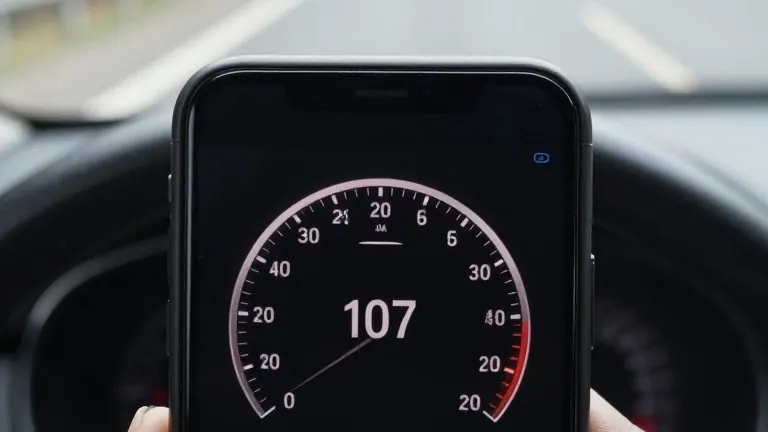
Snapchat has settled a civil lawsuit filed by Wentworth and Karen Maynard over a 2015 collision on Tara Boulevard. The couple alleged that a 19-year-old driver was using the company's now-defunct speed filter, a feature that displayed the user's velocity and allowed for social sharing, at the time of the crash. Court records indicate the driver was traveling at approximately 107 miles per hour when she rear-ended the Maynards' vehicle. Wentworth Maynard suffered permanent brain damage in the incident, according to his attorney.
The legal dispute entered its final phase just before trial was scheduled to begin. The case moved through the judicial system for more than ten years. Snapchat released a statement confirming the resolution was handled amicably under a confidential agreement. The company noted that neither party admitted liability. The social media platform had previously warned users against driving while using the app. It discontinued the speed filter in 2021 after concerns emerged that the tool encouraged dangerous behavior on the road.
In parallel criminal proceedings, the driver entered a plea of no contest to the charge of serious injury by vehicle. The settlement concludes the civil claim, which sought to hold the tech company financially responsible for the injuries sustained in the high-speed impact. The case drew attention to the role of social media features in driver behavior, specifically tools that gamify speed on public roads.
Transportation experts point to a wider pattern of speeding on American roads. A recent study by Smart Growth America reports that pedestrian deaths in the United States have risen by 72% since 2009. The nonprofit attributes this increase largely to road design choices. The organization argues that physical infrastructure, such as narrower lanes, can guide drivers to reduce speed without relying solely on enforcement or cultural shifts.
Automotive marketing often emphasizes acceleration capabilities, such as the time required to go from zero to 60 miles per hour or the performance of sport modes. These features serve a limited practical purpose for daily commuting but reinforce a cultural norm that prioritizes speed. Studies consistently show that higher speeds reduce driver reaction time and vehicle control while increasing the force of impacts. The prevalence of these messages in commercial media contributes to the normalization of aggressive driving habits.
The concept of behavioral nudges, discussed in the book 'Nudge: Improving Decisions about Health, Wealth, and Happiness,' suggests that small changes in environment and messaging can influence decision-making. Applied to road safety, this means adjusting design and communication to encourage safer choices. The Maynard case exemplifies how digital interfaces can interact with these physical and cultural factors to impact road safety outcomes.
More Business · Buyer Beware · Report a business · Got a Story?