26 Wild Orchids in Southeast Asia Lack Any Conservation Plan
FIU research identifies gaps in protecting critically endangered species like Corybas puniceus as trade laundering and online sales complicate oversight.
By Bianca Ruiz ·
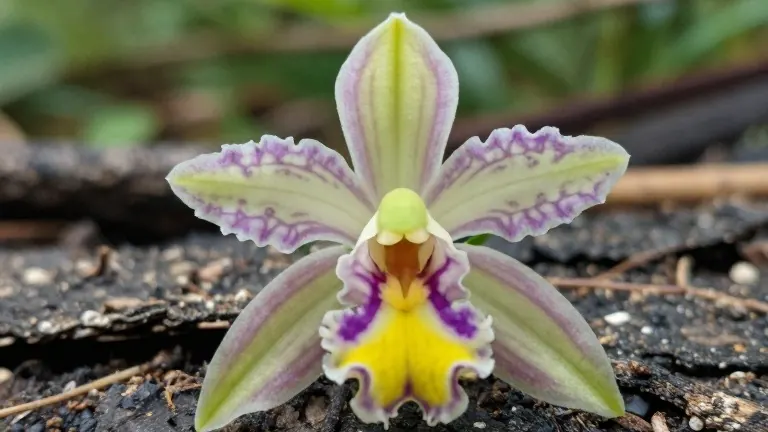
Twenty-six endangered orchid species in Southeast Asia currently have no conservation measures in place, according to a new study from Florida International University. The species include Corybas puniceus, a small, critically endangered plant found only in Southeast Asia. The research highlights the disconnect between high collector demand and low regulatory protection for these plants.
The study, led by Hong Liu, a professor of Earth and Environment at FIU, examines conservation gaps across one of the world's most diverse orchid regions. Liu works at the Institute of Environment’s International Center for Tropical Botany at The Kampong. Her team analyzed how wild orchids move through markets, nurseries, and online platforms. The goal is to identify where protection strategies are failing so other countries can learn from the region's experience.
The central issue is a lack of provenance. Wild orchids are sometimes labeled as artificially propagated in a practice known as orchid laundering. This rebranding makes it difficult to trace plants back to their forest origins. Under the Convention on International Trade in Endangered Species, orchids make up the majority of protected plant listings. However, CITES permits do not always verify whether a plant was collected from the wild or grown in a nursery. This ambiguity allows threatened species to move across borders with little oversight.
The problem extends to breeding programs. Scientists often cross different species using parent plants that are already critically endangered. While the original orchid may disappear from the marketplace, its genetic material persists in offspring. This carries a connection to threatened wild species into future generations of cultivated plants. Liu notes that the orchid industry is a major part of the conservation challenge and potential solution.
Liu proposes that countries with modern orchid production technologies share their methods to increase the supply of artificially propagated plants. A larger supply of cultivated orchids could reduce pressure on wild populations. She also suggests sustainable facilities where harvesters can learn practices that reduce the impact of collecting while maintaining their livelihoods. "I think that would be a win-win situation," Liu said.
The research points to "plant blindness" as an underlying obstacle. Scientists use this term to describe the tendency to overlook flora compared to fauna. Liu says this disparity is evident in research funding and penalties for breaking plant conservation laws. "Just by comparison, it's quite quiet for plants, even for orchids," she said. The study aims to identify these gaps before more species disappear from the wild.
The research indicates that protecting orchids requires more than preserving forests. It involves tracking marketplace origins, monitoring online sales, and understanding breeding practices. Liu believes Southeast Asia offers a model for identifying where conservation works and where it fails. "I think they’re doing a fantastic job," she said. "But there’s still a lot of work that needs to be done and can be done."
More Business · Buyer Beware · Report a business · Got a Story?