Tennessee execution team warned inmate veins may have ruptured before drug was injected
A new court filing details how staff used ten needles to find IV sites in Christa Pike's arms, reporting that one vein appeared to have 'blown' before the state administered the lethal dose.
By Maya Bauer ·
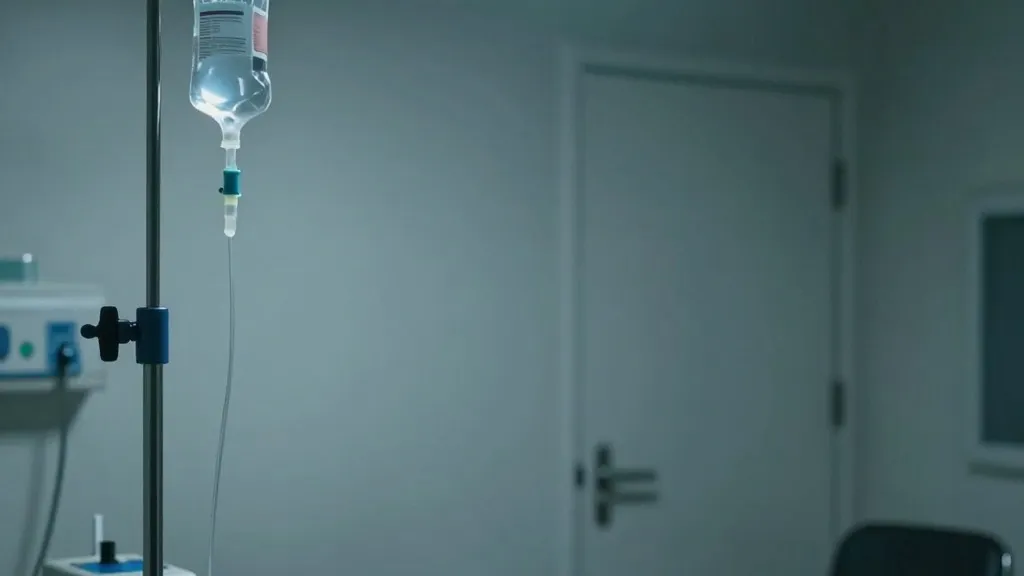
Tennessee’s legal system is currently grappling with a challenge to its lethal injection protocol, a fight that gained new urgency after a court filing described mechanical failures during the state’s attempt to execute Christa Pike. The document, submitted Thursday, provides the most granular account yet of the procedural errors that left Pike alive after receiving two doses of pentobarbital.
Pike, 50, was convicted of the 1995 stabbing death of her classmate Colleen Slemmer. At the time of the crime, Pike was 18 and was sentenced to death alongside her boyfriend. Her case has become a focal point for inmates on Tennessee’s death row who are arguing that the state’s current methods are prone to error.
Attorney Randy Spivey outlined the difficulties the medical team faced on September 30. The staff began attempting to place two required IV lines at 6:34 p.m. They used approximately 10 needles across both of Pike’s arms. While an IV was established in her right arm within six minutes, the left arm took nearly an hour. Spivey noted that Pike suggested the team look in her upper arm when they struggled, and he described her as wincing and grimacing as they worked.
During the process, a team member stated at 6:57 p.m. that a vein might be blowing, though others disagreed. By 7:07 p.m., another member declared that he thought it was blown. A needle removed at that time appeared severely bent. The team finally decided at 7:13 p.m. that the left IV was successfully in place.
Phone calls into the execution chamber started roughly five minutes later. Spivey said the team administering the drug from an adjoining room repeatedly asked the IV team to check Pike’s left arm. At 7:34 p.m., Pike reported that her arm was burning and felt like it was about to bust. Over the next 30 minutes, she strained, flinched, and struggled to breathe.
Spivey sought to use a phone to contact colleagues but was routed through the facility for seven minutes before making the call. He asked them to stop the execution because a third dose was not authorized and demanded immediate medical care. At 8:50 p.m., he was told an ambulance was en route. Medical staff were performing life-saving measures about 20 minutes later, and an ambulance arrived at the hospital at 9:14 p.m.
Kit Thomas, an attorney representing the inmates challenging the protocol, said the Pike incident confirmed predictions about botched executions. Pike was placed on a ventilator for several days and was discharged from the hospital to return to prison. Tennessee’s protocol does not specify what happens if a person survives a second dose of the drug.