ASUS ProArt P16: A $7,000 AI Powerhouse That Challenges the PC Market
The new ASUS laptop features NVIDIA's RTX Spark chip and 128GB of RAM, positioning itself as a premium tool for AI creators rather than a broad consumer device.
By Beatrice Gray ·
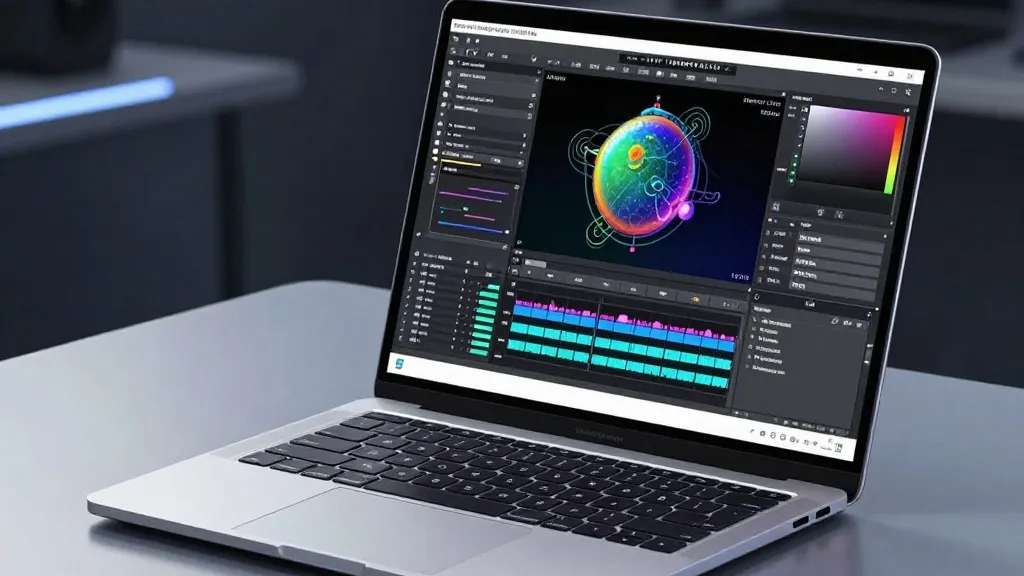
ASUS has entered the high-end laptop market with the ProArt P16, a machine that runs on NVIDIA's new RTX Spark system-on-a-chip. The device is priced as a premium product and is designed specifically for users who require significant memory for artificial intelligence workloads. This launch marks a shift in ASUS strategy, moving away from standard Intel and AMD processors for its flagship creative line.
The financial entry point for the ProArt P16 is $2,800. However, the cost structure is steep for buyers who require maximum performance. The review unit tested by Engadget included 128GB of unified memory, which drove the price to $7,000. This pricing places the laptop in a niche segment. While the hardware supports gaming, the cost is significantly higher than dedicated gaming laptops that offer similar or better gaming performance.
The hardware architecture represents a new branch of PC design. The RTX Spark chip combines a 20-core Arm CPU, a Blackwell GPU, and up to 128GB of unified memory in a single package. This configuration mirrors the design philosophy seen in Apple's M-series chips. Industry observers view this as a complementary option to existing x86 and Snapdragon X platforms rather than a direct replacement. The introduction of NVIDIA into this space may pressure competitors like AMD and Intel to refine their offerings, though the high memory requirements may keep overall prices elevated due to current AI demand.
Performance benchmarks reveal a mixed market position. In general application testing, the P16 scored approximately 3,000 points lower in PCMark 10 than ASUS's A16 model, which uses a Snapdragon X2 Elite chip. It also trailed slightly in Geekbench 6 single-threaded CPU tests. However, the system excels in graphics and AI tasks. It outperformed a MacBook Pro with an M5 Max by 4,700 points in Geekbench 6 GPU metrics. In Procyon's AI Computer Vision 2 test, the P16 scored 3,895 compared to 3,267 for the Apple device. Its AI Image Generation score of 1,519 was 600 points higher than the MacBook Pro.
The physical design of the laptop received positive attention for its build quality. The aluminum chassis is sturdy, and the 16-inch OLED display is exceptionally bright at 1,600 nits. The keyboard and haptic touchpad are generously sized. At 3.9 pounds, the device is lighter than the 4.7-pound Apple MacBook Pro. Connectivity options include three USB-C ports, USB Type A, HDMI, a headphone jack, and an SD card reader, though it lacks an Ethernet port. The black finish is noted for attracting fingerprints.
Real-world usage highlights the machine's strengths and limitations. The laptop successfully ran OpenClaw and the Qwen3.8 27B model, which utilizes 42GB of RAM, while maintaining available memory. Gaming performance was strong, with the system handling Cyberpunk 2077 and Control: Resonant at high settings. In Control: Resonant, the laptop achieved 70 fps at 1440p with ultra settings and medium ray tracing. Lowering the settings increased the frame rate to 120 fps. However, the cooling fans produced noticeable noise during these intensive tasks.
Software compatibility remains a key consideration for buyers. Most games rely on Microsoft's Prism emulator for the Arm CPU, which can reduce performance and introduce stability issues. Native Arm64 builds are available for titles like Fortnite, DOTA 2, and Marvel Rivals. NVIDIA is working with anti-cheat vendors, but some multiplayer games may still encounter problems. Adobe has ported its primary software to the platform, although support for other multimedia applications is less certain. Battery life in the PCMark 10 Applications test was ten hours and 51 minutes, which is below the 15-hour standard for many premium laptops. Performance did not degrade when the laptop was unplugged.
The ProArt P16 is best suited for AI professionals who can justify the high cost for the specific memory and processing needs. For general users or gamers, the market offers more cost-effective alternatives. The ASUS Zephyrus G16 with an RTX 5070 and a 240Hz OLED screen is available for $2,124 at Best Buy. This competing model offers better gaming performance and broader compatibility. Analysts suggest waiting at least a year before recommending the RTX Spark platform to the general consumer market.
More Business · Tech news · Buyer Beware · Report a business · Got a Story?