Australian Fuel Costs: Oil Hits US$113 as Growth Forecasts Fall
Treasury officials are preparing to lower growth and raise unemployment estimates for December, driven by a surge in global energy prices and slowing domestic productivity.
By Bianca Ruiz ·
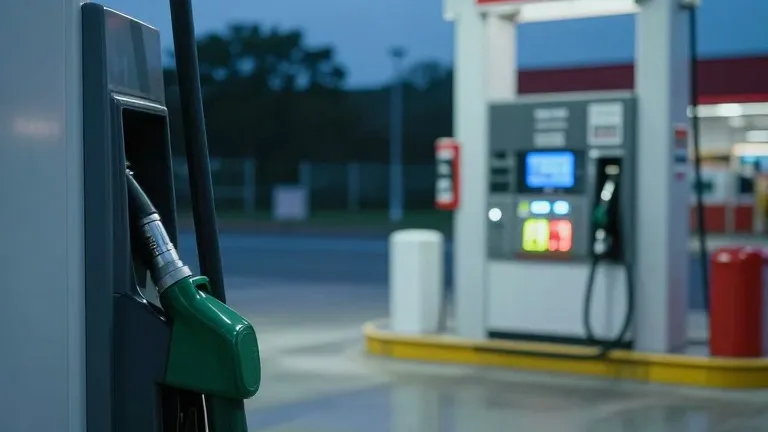
The cost of filling a 60-litre petrol tank in Australia has increased by $36 since February. This rise follows a jump in the global benchmark oil price to US$113 per barrel. The new price is close to the peak of nearly US$120 recorded in April. Motorists now pay 60 cents more per litre than they did before the United States and Israel launched attacks on Iran.
For a family that fills their tank every week, the additional expense amounts to $144 per month. Treasurer Jim Chalmers acknowledged on Friday that Treasury officials are adjusting their economic forecasts. These changes will appear in the mid-year budget update scheduled for December. The revision anticipates slower economic growth and higher unemployment rates.
Chalmers had suggested in a speech last week that the economy would be "a bit better" in a year. The shift in tone reflects the impact of the widening conflict in the Middle East. The New York Times reported overnight that the US and Israel have drafted plans to resume attacks on Iran after the American midterm elections. Analysts at Westpac outlined a scenario where oil prices could reach US$150. This possibility aligns with warnings issued by the International Monetary Fund earlier this month.
Such a price spike would place further pressure on inflation and interest rates. The Reserve Bank of Australia may implement a fifth rate rise on 3 November. High inflation, low growth, and rising unemployment create a challenging environment for policymakers. Reserve Bank Governor Andrew Hauser described this combination as a central banker's "nightmare".
Chalmers stated that some economic pressures are outside Canberra's control. He told Politico that the government is "hostage as well to decisions taken in DC or Tehran or in Eastern Europe." He noted that two wars in those regions are pushing up global inflation and weighing on growth. He added that the current pressures on people are "very substantial" and keep him awake at night.
Domestic factors also contribute to the slowdown. Productivity growth has stalled, causing the economy to reach its speed limit at lower growth rates. High government spending complicates efforts to control inflation, a point frequently raised by the opposition. The government faces limited options to ease voter discontent without incurring further costs.
One option is a temporary cut to the fuel excise. This measure would lower petrol prices but reduce the government's revenue. The billions of dollars saved by motorists would make it harder for the Reserve Bank to rein in inflation. An alternative is for the Labor government to announce large spending cuts in the December budget update. This approach would assist the central bank in controlling inflation but would weigh on an already weak economy.
Cutting spending could push unemployment higher. It remains unclear whether such measures would earn the government credit with voters. Chalmers faces a difficult position as an increasingly unpopular treasurer in need of a public win. The current situation forces a choice between providing immediate cost-of-living relief and maintaining long-term fiscal stability.
Global markets are also experiencing stress. Heavy spending on artificial intelligence infrastructure has masked weakness in other sectors. Investors are now uneasy about a sharp rise in corporate debt among tech firms. This anxiety triggered a steep sell-off on Wall Street overnight. Community opposition to new datacentre projects may further slow the sector's expansion, adding to short-term economic stress.