Brazil's Service Economy Shifts Loyalty From Lula to Flávio Bolsonaro
In Osasco, the replacement of factories with malls has flipped a loyal left-wing stronghold to the right ahead of Sunday's presidential runoff.
By Beatrice Gray ·
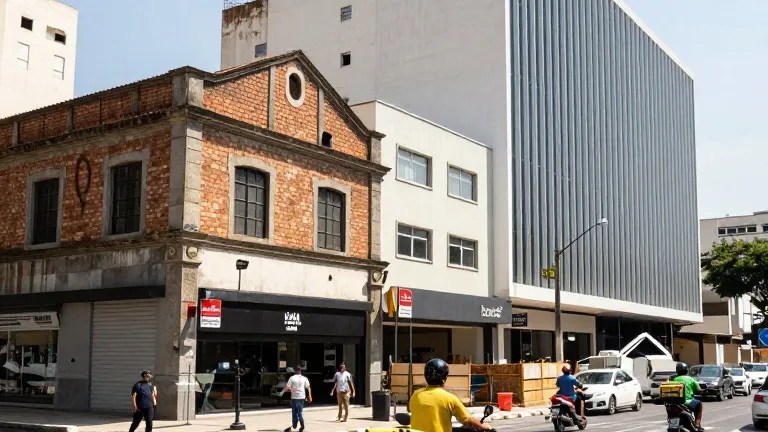
Brazil’s political base is undergoing a structural change as voters decide between President Luiz Inácio Lula da Silva and Flávio Bolsonaro in Sunday’s runoff. In Osasco, a municipality in the state of São Paulo that supported Lula in 2022, the local electorate shifted to Bolsonaro in the first round this month. The city, once known for heavy industry, has transformed into a hub for shopping malls and delivery app companies.
Gilberto Almazan, leader of the local metalworkers' union, says the industrial jobs that defined the working class have vanished. He notes that metal, chemical, and textile factories closed while five new malls opened. Almazan describes the traditional union movement as outdated and says many workers now prefer the flexibility of platform work over collective bargaining.
Richard Lapper, a biographer of both candidates, calls Lula a "victim of his own success." He argues that Brazil industrialized late and deindustrialized early, making the economic transition more painful. Lapper points to a crisis of expectations where improved statistics coexist with high prices and household debt.
Local voters express frustration with the current administration. Robson, a 53-year-old civil servant, blames government mismanagement for heavy taxes. Tairine, a hot dog seller, says she will vote for Bolsonaro because she sees no change since Lula returned to office. Gisele Bonfim, a lawyer who voted for Lula in 2022, cites the hope of change as her reason for switching.
Flávio Bolsonaro proposes cutting government spending and ministries while retaining key welfare programs. He faces corruption accusations he denies. In the first round, 33 million Brazilians abstained from voting, the highest number since 1998. Lula’s campaign is mobilizing large street rallies to counter this trend, with one event in São Paulo drawing approximately one million people.
Among the poorest voters, Lula’s welfare record remains influential. In Maré, a large favela in Rio de Janeiro, Lula won despite above-average abstention. Vitoria, an 18-year-old mother, praises the minimum wage increase and free medicines. She worries that Bolsonaro’s plan to designate the Comando Vermelho gang as a terrorist group could lead to police raids similar to those in Rio that killed more than 130 people last year.
Evangelical churches are increasingly providing services like childcare and food to fill gaps left by the state. Pastor Silas Malafaia, who supports Flávio Bolsonaro, says the candidate shares church values on family and abortion. Almazan fears the loss of Lula’s influence, stating, "There will never be another Lula."