Analysts Forecast Third Iran War After Nov. 3 Midterms
The death toll in the region has surpassed 11,000 as experts warn that U.S. and Israeli forces may strike Iranian energy and communication targets once the American election concludes.
By Bianca Ruiz ·
The conflict between the United States, Israel, and Iran has already claimed thousands of lives, and experts predict a new phase of fighting will begin shortly after the U.S. midterm elections on Nov. 3. Danny Citrinowicz, a former Israeli intelligence official who now works for the Institute for National Security Studies, told CBC News that a renewed war appears almost inevitable. He expects the next round to be more destructive than the first two because it will likely target Gulf energy facilities, civilian infrastructure, and undersea internet cables in the Strait of Hormuz.
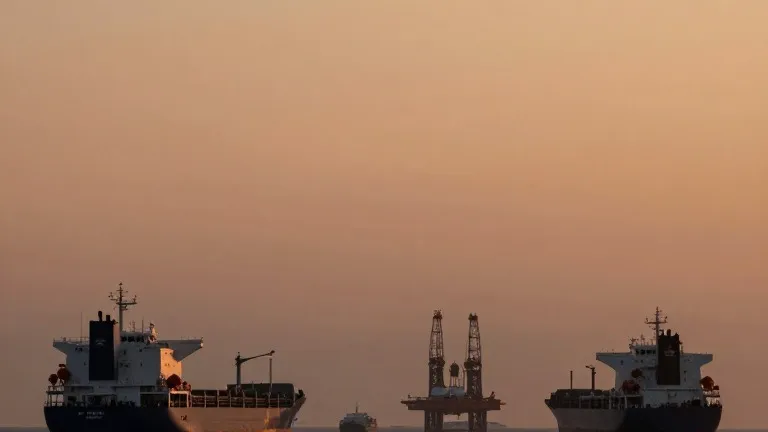
The two nations have fought two distinct wars against Iran over the past 18 months. The first conflict started in June 2025 with attacks on nuclear sites and ended after 12 days with a fragile truce. Hostilities resumed in February following a major U.S. military buildup, beginning with Israeli strikes on senior Iranian leaders, including Ayatollah Ali Khamenei. Since the summer ceasefire collapsed, the U.S. has blockaded Iranian ports while Iran has targeted commercial ships in the Strait of Hormuz. These actions have driven up global energy costs. On Thursday, President Donald Trump accused Iran on Truth Social of inflating oil prices before the midterms by creating fake maritime threats.
Western non-governmental organizations report that more than 7,000 people have died in Iran. Lebanese media cite over 4,000 deaths in Lebanon. The United States has lost 21 service members, primarily in strikes on Gulf bases, while more than 70 Israelis have also died. Casualties have been recorded in the UAE, Saudi Arabia, Iraq, and Yemen. The Pentagon is currently drafting a new battle plan, though it remains unclear if President Trump will approve it.
Suzanne Maloney of the Brookings Institution warned that the war has pushed Iranian leadership to double down on revolutionary ideology. She expects retaliation from proxies like the Houthis in Yemen and Hezbollah in Lebanon, which could target economic hubs such as airports. Karim Sadjadpour of the Carnegie Endowment for International Peace noted that Trump lacks a clear strategic goal and that no military knockout punch will force Iran to surrender. He argued that diplomacy is not dead but has been narrowed by U.S. maximalist aims.
Iranian officials are demanding relief from sanctions, reparations for strike damage, the release of billions in frozen assets, and the right to keep enriched uranium. Mediators from Pakistan and Qatar have spent weeks trying to restart talks without success. Citrinowicz said Israel’s Prime Minister Benjamin Netanyahu faces a close election in the coming days and may use a widening crisis to form an emergency unity government. Citrinowicz warned that political calculation could combine with an Iranian development to produce an unnecessary attack.
Sadjadpour stated that Iran would only compromise under existential economic pressure paired with a clear diplomatic exit. He emphasized that asking the regime to change its identity would not succeed. The next phase of the conflict is expected to begin after the U.S. ballots are counted on Nov. 3.