Federal Proposal Mandates Uniform Cyan Lighting for Autonomous Vehicles
Regulators seek to standardize external signals for driverless cars while removing outdated interior requirements that no longer apply to human-free designs.
By Bianca Ruiz ·
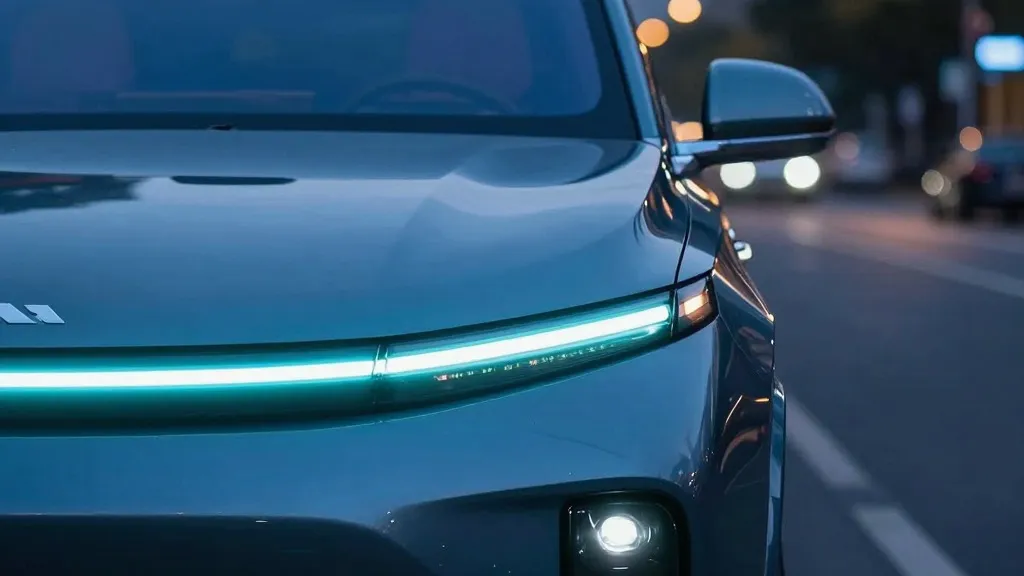
The National Highway Traffic Safety Administration has introduced a specific proposal to establish a national visual standard for autonomous vehicles, designating cyan as the required color for marker lamps that indicate a car is operating without a human driver. This regulatory move offers a definitive answer to a long-standing industry debate regarding how driverless cars should communicate their operational status to other road users and law enforcement.
The core of the proposal involves rewriting Federal Motor Vehicle Safety Standard No. 108 to accommodate the unique needs of automated driving systems. By defining the specific hue, brightness, and placement of these lights, the agency aims to create a consistent signal that is distinct from traditional vehicle lighting. This standardization is intended to eliminate the confusion that could arise if different manufacturers used varying colors or signal patterns to denote autonomous mode.
The selection of cyan is grounded in the existing color spectrum used in the automotive industry. Current standards reserve red for braking, amber for turning, white for headlights, and flashing blue or red for emergency vehicles. Regulators determined that a blue-green tone fills a visual gap, allowing observers to distinguish an active automated driving system from a conventional car or an emergency responder without introducing a new and potentially confusing color category.
While the proposal cites precedent from state-level approvals, such as the turquoise lights once approved for Mercedes-Benz Level 3 Drive Pilot vehicles, the federal rule seeks to create a uniform national framework. This standard would apply broadly to robotaxi operators like Waymo, Nuro, and Zoox, as well as major automakers including GM and Mercedes. Although the cyan marker lights would remain optional for manufacturers, any company choosing to implement them would be required to adhere to the federal specifications for a legal and consistent setup.
Beyond the new lighting requirements, the agency is proposing to eliminate several existing rules that were designed for vehicles with human drivers. Current regulations mandate the presence of physical hazard switches, manual beam shifters, and turn levers inside the cabin. For fully autonomous vehicles that may lack a steering wheel or pedals, these interior controls are often redundant. The proposal seeks to remove these requirements to simplify vehicle design and manufacturing.
The agency is also updating technical testing standards to reflect modern engineering practices. Specifically, NHTSA proposes to adjust the 12.8-volt testing standard, which would allow automakers to build around contemporary LED architectures without facing unnecessary administrative hurdles. Additionally, the proposal considers removing current requirements that dictate the vertical positioning of high-beam lights relative to low-beam lights, further streamlining the design process for new vehicle platforms.
This regulatory update is part of a broader administrative effort by the Department of Transportation to facilitate the deployment of autonomous vehicles. The goal is to make it easier for manufacturers to build cars that do not include traditional human-operated controls, such as steering wheels and pedals. By aligning federal standards with the realities of automated driving, the agency hopes to accelerate the integration of these vehicles into the national transportation network.
Despite the push to streamline regulations for future vehicle designs, regulators continue to enforce existing rules strictly against current models. Last month, NHTSA opened an audit query regarding the Tesla Cybercab to examine the technical data and processes Tesla relied upon when certifying the vehicle. The inquiry focuses on the absence of design features like sideview mirrors, pedals, and steering wheels, which are currently required under the existing framework. This dual approach highlights the tension between maintaining current safety standards and preparing the regulatory landscape for the next generation of driverless technology.
The proposed changes represent a significant shift in how the federal government addresses the integration of autonomous technology into public roads. By standardizing external signals and removing obsolete interior requirements, the agency is attempting to balance the need for clear communication with the practical realities of building vehicles for automated operation. The outcome of this proposal will likely influence how future generations of driverless cars are designed and regulated across the country.