Tesla Q3 profits slip despite margin gains
The electric vehicle maker reported stable revenue but saw operating income drop significantly due to high spending on artificial intelligence and new robot projects.
By Bianca Ruiz ·
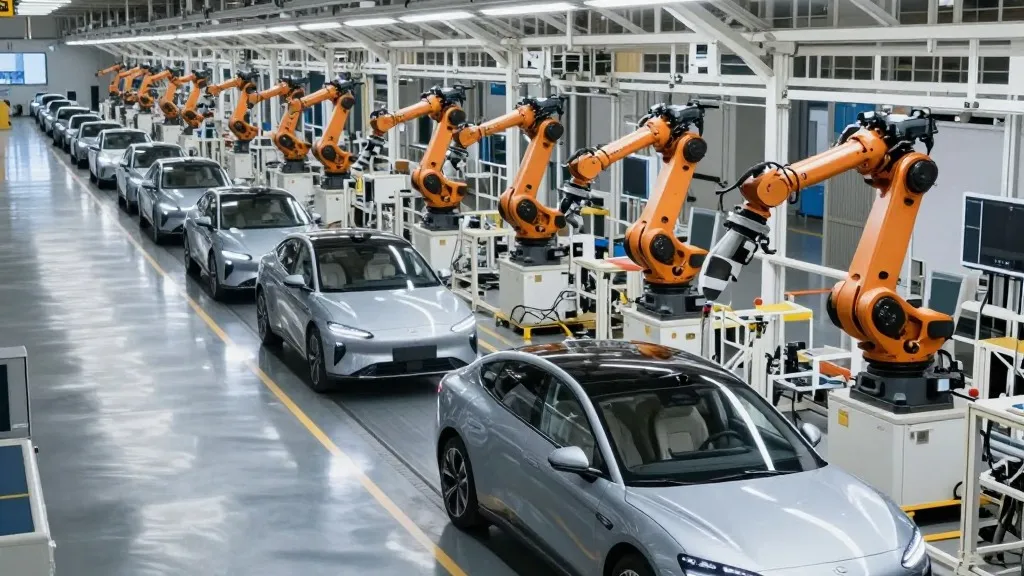
Tesla released its third quarter financial results for 2026 after the stock market closed on Tuesday. The company posted revenue of $28.05 billion, which remained flat compared to the same period last year and aligned closely with Wall Street expectations. While the top line held steady, profitability continued to face pressure. Non-GAAP earnings per share came in at $48 cents, a figure that exceeded analyst estimates but represented a four percent decline from the previous year.
The primary challenge for the company this quarter was managing costs while investing in future technologies. Operating income fell by 56 percent year over year, dropping to $718 million. This decrease occurred because expenditures for artificial intelligence and the Optimus robot grew faster than the company's overall gross profit. On a GAAP basis, net income declined by 43 percent to $787 million, or $22 cents per share. This marks an improvement over the second quarter, where operating margins were significantly lower, but the long-term downward trend in profits has not yet reversed.
Margins showed signs of recovery in the automotive sector. The gross margin for auto sales, excluding regulatory credits, rose to 18.1 percent. This is an increase from 16.3 percent in the previous quarter and 15.4 percent a year ago. Tesla attributed this improvement to a better product mix and increased revenue from full self-driving subscriptions, though lower average selling prices partially offset these gains. Total gross margin for the company stood at 19.6 percent, up from 18.0 percent in the same quarter last year.
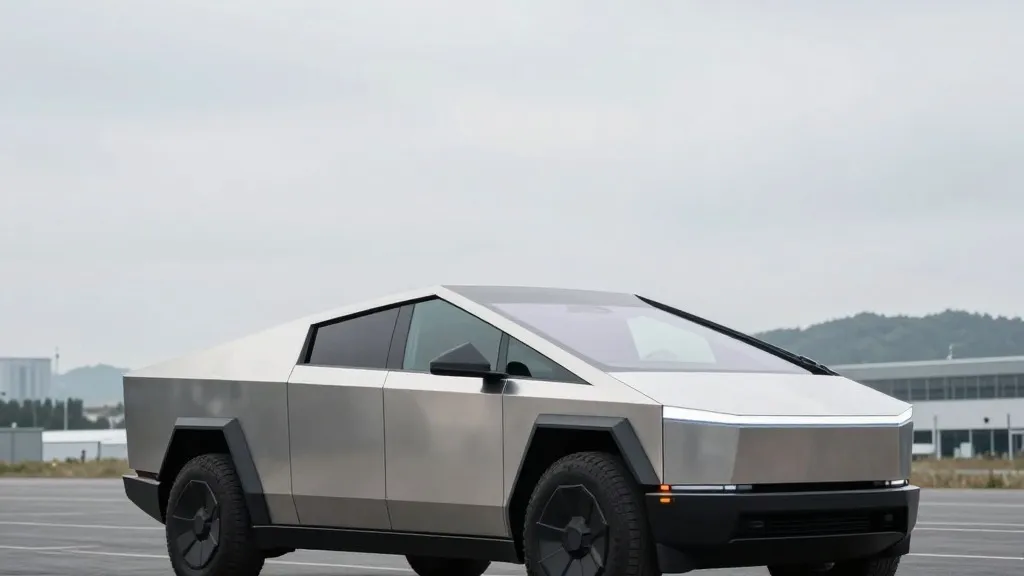
Spending on research and development surged by 69 percent to $2.76 billion. The company is directing these funds toward what it calls Super Intelligence, the Optimus humanoid robot, and the Cybercab vehicle. Total operating expenses reached $4.78 billion, a 39 percent year over year increase. Stock-based compensation also climbed significantly to $1.17 billion, up from $663 million in the prior year, reflecting the inclusion of the 2025 CEO pay package.
Capital spending for the quarter was $4.73 billion, more than double the $2.25 billion spent during the same period last year. This high level of investment reduced free cash flow to $1.53 billion, down from $3.99 billion a year ago. Despite the spending, Tesla ended the quarter with $45.4 billion in cash and investments. The GAAP net income figure also included a $288 million unrealized gain on bitcoin holdings, which was partly offset by a $142 million unrealized loss on its equity stake in SpaceX.
The energy storage segment faced headwinds this quarter. Revenue for energy generation and storage fell by 16 percent to $2.88 billion. Tesla cited tariff-related customer refunds as a partial cause for this decline, even though actual deployments increased by 10 percent to 13.7 gigawatt-hours. However, the segment's gross margin improved substantially to 33 percent, up from 20 percent in the second quarter. The services and other division was the strongest performer, with revenue growing 33 percent to $4.61 billion and achieving a record gross profit of $734 million.
Tesla stated that battery availability continued to limit its ability to increase vehicle volumes. The company reported the largest backlog for passenger vehicles in four years. Deliveries for the quarter totaled 486,532 units, down slightly year over year but above analyst consensus. The company delivered more cars than it produced, which helped reduce inventory to 11 days of supply. Active full self-driving subscriptions reached 1.74 million, a 67 percent increase, while the Robotaxi service accumulated nearly 2 million unsupervised miles by the end of the quarter.
Management will discuss these results on a conference call scheduled for 5:30 p.m. ET. The full shareholder deck is available on the company's investor relations website. Investors are watching to see if Tesla can sustain its margin improvements while balancing the heavy capital expenditure required for its new technology initiatives.
More Business · Buyer Beware · Report a business · Got a Story?