MacBook Pro: Apple's first touch-enabled laptop launches with a price hike
The new 14-inch and 16-inch models feature OLED displays and weigh less than previous generations, but cost up to $400 more than standard configurations.
By Beatrice Gray ·
Apple has long resisted adding touch screens to its laptops, a stance rooted in the company's founder's early criticism of the format. That resistance ended on October 28, 2026, when the company unveiled its first touch-enabled MacBook Pro.
The new hardware is physically lighter than its predecessors. The 14-inch model with the PROLED XDR display weighs 3 pounds, compared to 3.4 pounds for the newly introduced M6 models without touch capability. The weight difference is more pronounced in the larger size. The 16-inch touchscreen version weighs 4 pounds, while the non-touch M5 Pro model weighs 4.7 pounds. Apple stated that the 16-inch unit feels better balanced when lifted from a corner with one hand. The new design is also slightly thinner and has a smaller footprint than current 16-inch models.
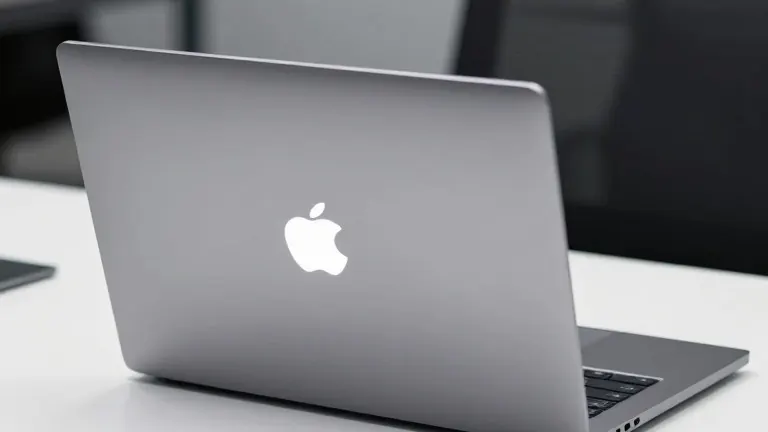
A glowing Apple logo has returned to the lineup. The feature was absent from recent MacBooks, which had adopted a more utilitarian aesthetic. The reintroduction of the illuminated logo generated visible excitement among the audience during the product introduction.
Touch functionality in macOS allows users to swipe to scroll, pinch to zoom, and double-tap to maximize windows. The operating system translates taps into clicks as a fallback for third-party applications that have not yet been updated for touch support. However, the source notes that interacting with small buttons using a finger can be a fiddly experience.
The new hardware carries a cost premium. The touchscreen OLED model starts at $2,899. This is $400 more than the similarly specced M5 Pro MacBook Pro, which does not include a touchscreen.
Apple has not detailed the specific ergonomic changes intended to address the historical criticism that touchscreen laptops are difficult to use. The company focused on making the macOS interface more touch-friendly rather than altering the physical interaction model of lifting a hand to the screen.