Screwworm Infections Spread to Arizona as New Mexico Counts 128 U.S. Cases
USDA data shows 65 active cases in domestic animals, prompting new sterile fly releases and an updated identification guide from NMSU.
By Maya Bauer ·
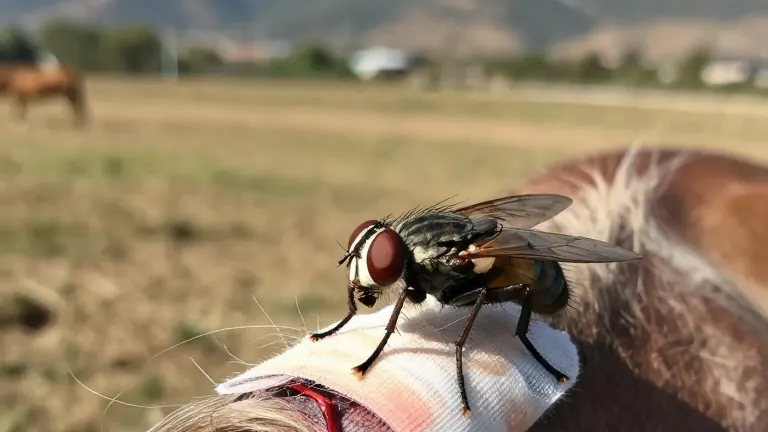
New World screwworm infections have reached Arizona, with six active cases reported in Cochise, Graham, and Greenlee counties since Nov. 4. The expansion of the fly-borne parasite marks a rapid spread from its initial detection sites in Texas and southern New Mexico.
USDA data shows 128 total cases identified in the United States since June. As of Thursday, 65 of those cases remain active in domestic animals, while two wildlife cases are no longer active. The larvae have afflicted cattle, horses, dogs, and one sheep on the New Mexico State University campus.
In New Mexico, new confirmed cases appeared in the past two weeks. Trapped flies were found in Eddy, Otero, Doña Ana, Luna, Grant, Hidalgo, and Catron counties. A previous case in Lea County is currently inactive.
New Mexico State University’s Cooperative Extension Service released a free publication this week. The guide provides a biological overview and identification tips for the parasite. It includes photographs of infestations in open wounds to illustrate the severity of active cases. This resource follows earlier guides that distinguished the New World screwworm from other species and addressed livestock producers directly.
Caleb Hubbard, an assistant professor in NMSU’s Department of Entomology, Plant Pathology and Weed Science, noted that many people remain unfamiliar with the pest. “I am still struck by how many people are unfamiliar with this pest and the damage it can cause,” Hubbard stated in a news release. “Our goal is to help close that awareness gap by making the information approachable and easy to understand.”
Veterinary experts emphasize that early detection is essential because the larvae feed on living tissue. Female flies lay eggs inside warm-blooded animals, including humans. Once hatched, the larvae cause severe wounds and infections that can prove fatal. USDA officials state that the screwworm is not a pathogen and does not risk food supply safety.
Federal and state authorities established an active infested zone in southwestern New Mexico. An adjacent surveillance zone includes local inspection and reporting protocols. Officials are releasing sterile male flies in affected areas to prevent females from producing viable eggs. Hubbard suggested that milder temperatures over the past two months may have created favorable conditions for the parasite, contributing to the recent increase in cases.