Shoppers Break Spending Records Despite Inflation and Gas Price Frustrations
American consumers spent a record $7.1 billion online on Thanksgiving, with analysts projecting a further 9.2% increase in Black Friday digital sales.
By Beatrice Gray ·
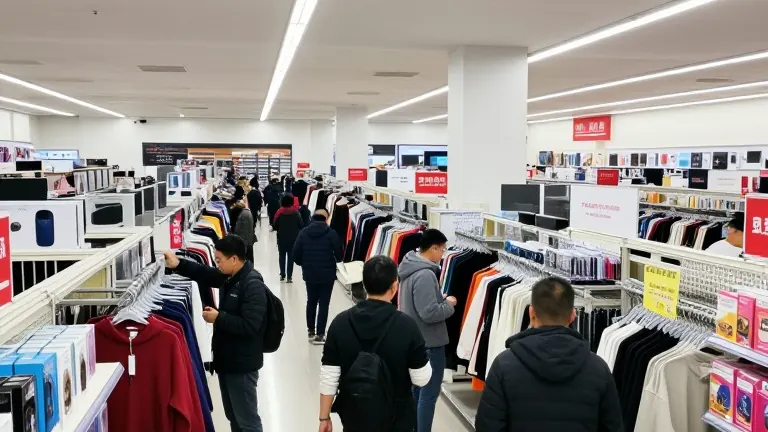
American consumers are facing a holiday season defined by high costs for gas and food, yet they are spending at record levels. The National Retail Federation projects that shoppers will spend $1.01 trillion in November and December. This figure includes a 4.1% increase in sales, which the group attributes largely to rising prices rather than increased volume.
The surge in spending began on Thanksgiving, when online transactions reached $7.1 billion. Adobe Digital Insights reported that this amount represents a 10.4% jump from the previous year. Video games and electronics drove the initial spike. Adobe predicts that Black Friday online spending will reach a new high of $12.9 billion, a 9.2% increase over last year.
Retailers have adjusted their strategies to capture these sales earlier in the month. Salesforce data shows that November discounts before Black Friday were 8% larger than the same period last year. These early promotions pulled average sale prices for physical goods 1% below November levels from the previous year. Vivek Pandya, director of digital insights at Adobe, noted that retailers are likely holding their best deals for the final days of the holiday rush.
Shoppers are responding to these incentives by buying more than just gifts. Julie Barber, marketing director for Walmart’s U.S. division, stated that customers are replenishing household supplies during the sales. Walmart focused on in-store exclusive offers, including a set of NeeDoh sensory toys and a $24 suitcase from its private label Protégé. Barber said consumers are being intentional with their purchases, grabbing $5 pillows and discounted slow cookers alongside holiday items.
Individual spending habits reflect a mix of confidence and caution. Nita Lawrence, a visitor from Miami, spent the day at Macy’s Herald Square in Manhattan after the annual parade was delayed by strong winds. She bought handbags discounted by 25% to 40% and shoes reduced by 20% to 50%. Lawrence said she was buying for herself, marking a personal exception to her usual annual routine.
Anna Butler, a retired teacher from Atlanta, purchased six pairs of jeans at the same store. Butler said her retirement income and Social Security benefits make her feel financially secure despite the state of the economy. Her experience contrasts with that of Aime Becker and Tabatha Ferguson, a married couple visiting from Illinois. The pair calculated that their New York trip cost about $4,000. They plan to spend $1,000 on Christmas gifts but said rising food and utility costs are shrinking their overall budget.
Becker, a retired war veteran, said the couple has no savings because all their money is going toward daily necessities. They now shop at discount stores like Walmart and Aldi for groceries. They have also started buying from a outlet store called B&D, which sells damaged packaging, excess inventory, or items near or past their expiration dates. Despite these constraints, Becker said she was surprised to find calm crowds at Macy’s rather than the chaos she expected.
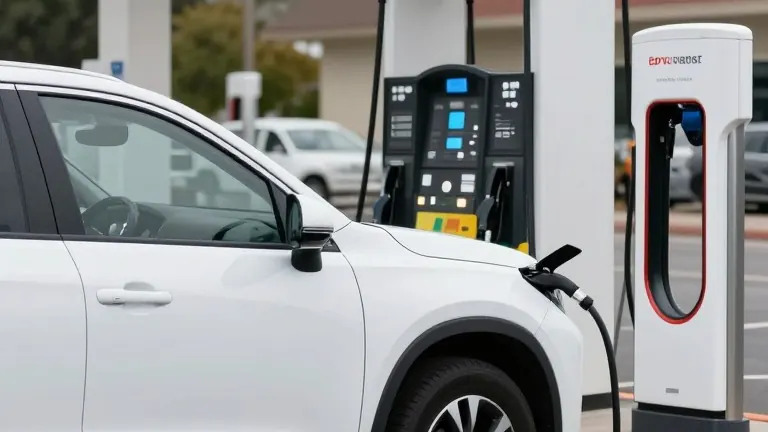
The economic backdrop for this spending is complex. Voter frustration over gas prices, driven by the U.S. conflict with Iran, and general inflation have weighed on consumer sentiment. However, consumer confidence rose this month as gas prices continued a sustained decline. Retailers have generally held prices steady rather than implementing broad increases, offering discounts that have persuaded customers to buy early.
Analysts are watching the five-day period from Thanksgiving to the following Monday closely. They view this window as a gauge of consumer financial resilience and a predictor for the coming year. The shift toward multi-week sales events has encouraged shoppers to stock up on everyday items like shampoo and t-shirts while checking off their holiday gift lists. The combination of early discounts and record spending suggests that holiday retail performance will remain strong despite macroeconomic headwinds.
More Business · Buyer Beware · Report a business · Got a Story?