Tehran Households Slash Meat and Dining Out as Inflation Hits 90 Percent
A field survey finds Iranian families are cutting back on essential proteins and social outings, with a three-person family now spending over $60 monthly on basic food items.
By Maya Bauer ·
Inflation in Iran reached 89.9 percent in September, forcing households across the country to reduce spending on meat, dining out, and savings. The sharp rise in living costs has altered daily habits for working families, who are now prioritizing basic necessities over discretionary items. The rial has fallen steadily against foreign currencies, eroding purchasing power despite wage increases.
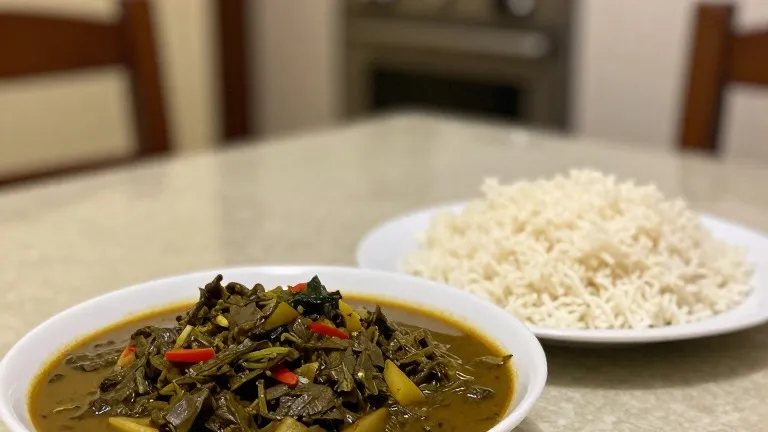
Radio Farda conducted a field survey in central Tehran to measure these changes. The findings show that middle-class activities are disappearing as families decide which necessities to forgo. The cost of preparing a home meal has doubled in some cases. A dish of chicken and barberry now costs nearly twice as much as it did a year ago. A serving of ghormeh sabzi with rice costs 23 million rials, equivalent to $8.45. Potato patties cost approximately 4 million rials.
One woman in Tehran described how her family now reserves most meat and chicken for their children. Her husband and she eat legumes and meat substitutes to stretch their budget. She fears that further price increases will force them to cut protein from the children's meals as well. Another recently married woman in the capital said her wedding savings were redirected to a housing deposit. She now works two shifts to repay a loan and spends most of her time at work.
Factnameh, a fact-checking outlet based in Canada, calculated that a basket of 11 essential food items costs 56 million rials per person. For a family of three, the total is 168 million rials, or $61.70. The government provides a food voucher worth 10 million rials, which covers less than 18 percent of the per-person cost. This coverage has dropped from approximately 30 percent in December 2025. The average monthly wage in the country is estimated at $100.
Abdolnaser Hemmati, the central bank governor, acknowledged the heavy burden on Iranians on October 23. He stated that efforts to isolate the Iranian economy had not achieved their main objective. The pressure on the economy intensified after the United States and Israel launched a war against Iran on February 28. The conflict damaged infrastructure and disrupted trade. A US naval blockade of Iranian ports reduced oil exports and imports, while Iranian attacks in the Strait of Hormuz hindered shipping.
A retired woman living on a monthly pension of 180 million rials has reduced her intake of meat and other major protein sources since March. She worries about her health but considers herself fortunate because she does not pay rent. The financial strain extends to higher earners. A middle-aged man in western Tehran earns a total household income of one billion rials, well above the Tehran average of 600 million rials. He said he can live for today but has no savings for tomorrow. Travel and dining out have vanished from his routine.
A 28-year-old woman in Tehran earning 400 million rials a month has changed her social habits. She and her friends used to visit cafes weekly but now split dishes to lower costs. Sharing meals is one of the few ways to make outings affordable. The US Treasury began a new sanctions campaign in August, labeled Economic D-Day, to isolate Tehran financially. This move followed years of international sanctions and stubborn inflation that had already weakened the economy.
The economic hardship served as a major driver for the protests in January. Authorities responded with a deadly crackdown. The newly married woman who lost her wedding savings to a housing deposit said she and her husband know they are poorer each morning. Her home has become a place where she only sleeps, as her work schedule consumes the rest of her day.
More Business · World news · Buyer Beware · Report a business · Got a Story?