Votel: New Iran Strikes Weaken Targets but Fail To End Conflict
Retired General Joseph Votel argues that a clear end state, defined by the Strait of Hormuz and enrichment limits, is required for U.S. pressure to succeed.
By Bianca Ruiz ·
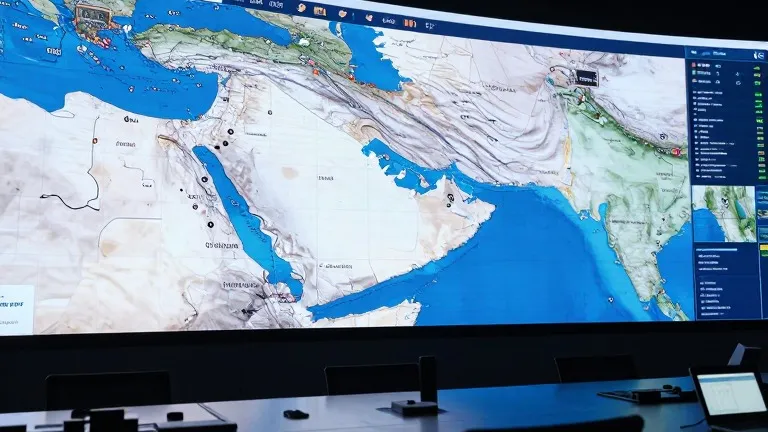
Retired Army Gen. Joseph Votel states that a new round of U.S. and Israeli strikes against Iran is unlikely to end the war, even if it weakens the country's military capabilities. The former commander of U.S. Central Command told NPR that current operations are designed to buy time and punish Tehran rather than force a final resolution.
Votel notes that many likely targets have already been hit in previous campaigns. He observes that Iran has demonstrated the ability to rebuild these assets. Consequently, he argues that strikes serve to degrade capabilities and impose costs on Tehran, but they have not yet altered the Iranian government's strategic calculus regarding the conflict's duration or outcome.
The general identifies a lack of clarity on Washington's part as the primary obstacle. He argues that the United States must define a specific end state before declaring victory. In his assessment, that end state involves resolving the nuclear enrichment issue and securing the reopening of the Strait of Hormuz. He contends that military force is only one component of a strategy that must also include economic, diplomatic, and informational pressure.
Votel points to the financial front as the area showing the most visible progress. He cites recent reporting that Iran's ghost fleet of oil tankers has run out of fuel due to the blockade and sanctions. He describes this as a slow but definite movement that increases pressure on the Iranian economy without requiring immediate military escalation.
On the military readiness front, Votel says American offensive power in the region remains substantial. However, he identifies missile defense as the potential constraint. He notes that defensive interceptors protecting U.S. forces, regional partners, and critical infrastructure are facing heavy pressure. While the ability to strike is not in question, the capacity to defend against counterattacks may become a limiting factor as the campaign continues.