US Cuts $25 Million Aid, Threatening Women's Secret University
The termination of major American funding puts the future of Afghanistan's last degree-granting institution for women in jeopardy.
By Beatrice Gray ·
A $25 million grant has been officially denied, leaving a critical gap in the financial support for Afghan higher education. This single figure represents the bulk of the operating budget for the American University of Afghanistan. The loss of this money strikes at the heart of a fragile system that has become a lifeline for many students.
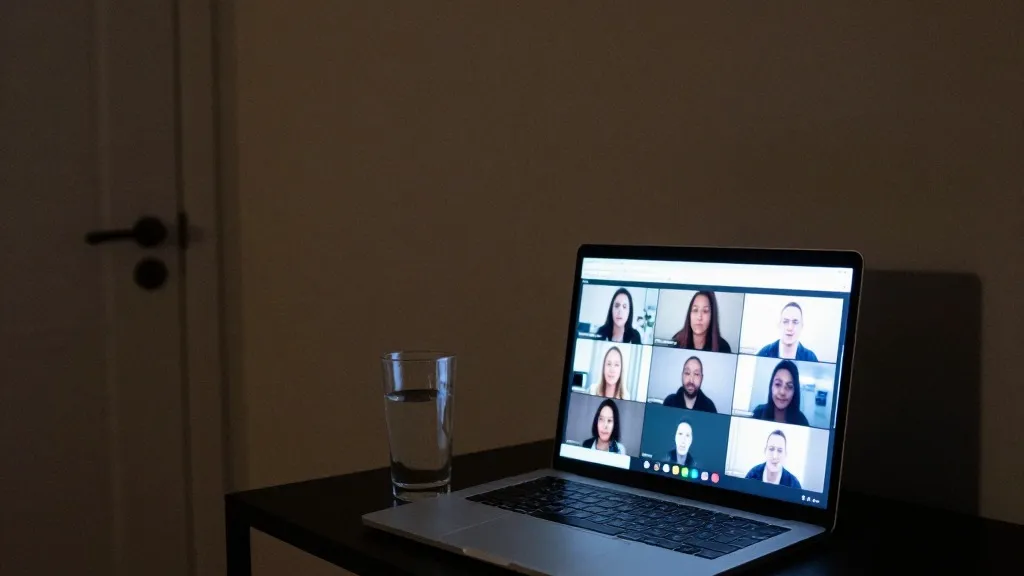
The university serves as one of the final remaining places where women can pursue a formal degree. Approximately 1,000 students are currently enrolled in the institution. Three-quarters of this student body consists of women who continue their studies despite significant political hurdles. The campus itself is under the control of the Taliban, forcing students to attend classes remotely from their homes.
One student, identified only as Laila for safety, discovered the funding cut through a late-night email. She is a political science major in her mid-twenties who had already lost time due to previous bans on female education. Her journey has been marked by interruptions, including a return to school after the Taliban seized power in 2021. She joined the online program to finish a degree that remained incomplete for years.
Daily life for these students is defined by caution and fear. Many peers have reported receiving threatening calls and messages from authorities. Laila worries that officials might search her phone and uncover university emails. Her family home has been searched multiple times by Taliban officials. She lives with the constant anxiety that she could be next to be targeted for her continued education.
The decision to end funding follows years of scrutiny in Washington. US inspectors began investigating the university's finances in 2016. By 2018, they reported that poor accounting practices made it difficult to track how aid money was spent. A former federal inspector expressed surprise that the funding was still being provided despite these findings. The State Department cited a history of repeated lack of accountability for millions of taxpayer dollars.
Critics of the decision argue that the justification is overstated. Patrick Fine, a former mission director at USAID, described the explanation as smear tactics. He noted that earlier audits found administrative struggles but did not uncover major fraud. He maintained that the university was a worthy investment because it reached women that few other organizations could access. The United States has long paid nearly 90 percent of the university's bills.
The State Department stated that the university is free to find other partners and funders. However, the loss of the primary financial pillar creates significant uncertainty for the institution's future. For students like Laila, the news has been deeply disheartening. She feels she has lost her motivation and hope, wondering if she will ever complete her studies. She had expected to graduate years ago and pursue a master's degree abroad, but now she anticipates a delay of five to ten years.