Democrats Sweep Key Senate and Governor Races Across the Nation
The party won at least seven previously Republican Senate seats and secured a majority of governorships, marking a significant shift in state power since 2010.
By Bianca Ruiz ·

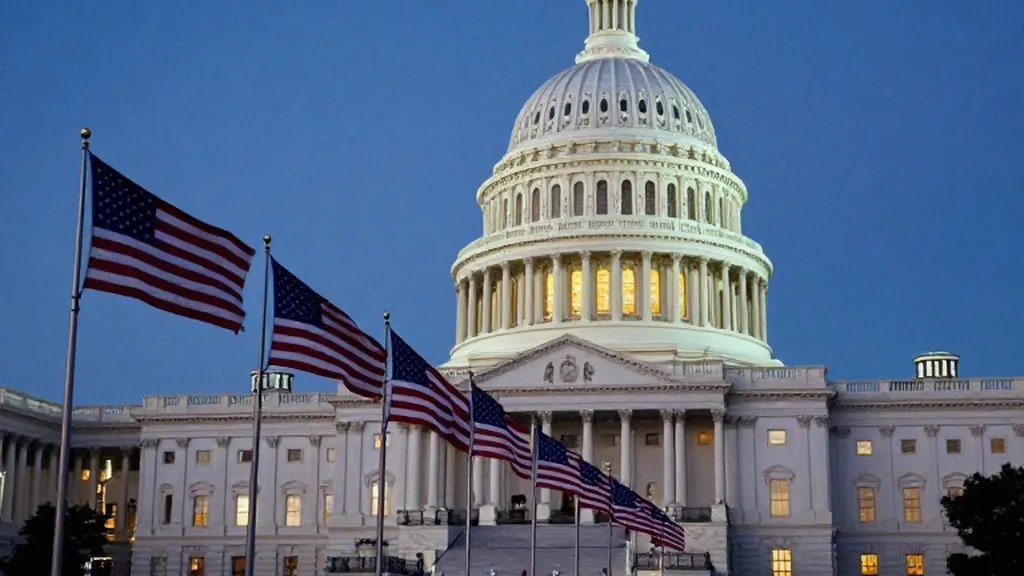
The midterm elections on Tuesday, November 3, 2026, resulted in a decisive victory for the Democratic Party at the state and federal level. According to verified election data, Democrats won majorities in both the United States House of Representatives and the United States Senate. The party picked up at least 43 House seats, 42 of which were previously held by Republicans and one of which was previously held by an independent. In the Senate, Democrats captured seven seats that were previously held by Republicans, securing a majority of at least 54 to 44.
This performance in the Senate represents a significant political shift. The net loss of at least seven seats for the Republican Party places this election year in the top 20 percent of all election years in terms of seat swings against a president's party. Analysts have defined this threshold as a wave election. While the House results have not yet reached the specific seat count required to qualify as a wave, the scale of the Democratic pickup in the upper chamber is historically notable.
In state executive races, Democrats won a majority of governorships for the first time since before the 2010 elections. This marks a return to state power that had been elusive for the party in recent decades. The results indicate that voters across various regions supported Democratic candidates for the top executive office in their states. This shift in state leadership provides the party with increased control over state legislatures and executive branches, which can influence policy areas such as education and healthcare.
A notable result in the governor's race came in California, where Xavier Becerra won the election. Becerra, a Democrat and former U.S. health and human services secretary, became the state's first elected Latino governor. His victory continued a remarkable streak in California, which has now elected five consecutive Catholic governors. This trend began with Gray Davis, who took office in 1999, and includes four Democratic governors among the five.
Becerra's win was supported by a diverse coalition of voters, including significant backing from Catholic voters. According to the AP Voter Poll, about 6 in 10 Catholic voters supported Becerra, while about 4 in 10 voted for his Republican opponent, Steve Hilton. Among Latino Catholics, about 7 in 10 voted for Becerra, whereas white Catholics were split between the two candidates. Becerra cited his Catholic upbringing as a foundation for his politics, stating that the sanctity of life is deeply ingrained in his worldview.
The election results provide Democrats with new tools to oversee the administration and address cost of living concerns. With control of both chambers of Congress and a majority of governorships, the party can utilize appropriations powers and investigative authorities. Democratic leaders have indicated plans to use these tools to scrutinize federal agencies, including the U.S. Education Department, which has faced criticism for its dismantling under the current administration. Senators and representatives have stated they will use the power of the purse to establish guard rails in spending bills.
The shift in state leadership also allows Democrats to push back against federal policies that have affected schools and universities. In California, the new governor will work alongside a state legislature that can influence education funding and policy. The victory of Becerra and other Democratic governors suggests that voters prioritized candidates who emphasized oversight and accountability. This aligns with broader national trends where Democrats won a plurality of state government trifectas and state legislative chambers.
The Republican Party faces a challenging landscape following these results. The net loss of seats in the Senate and the loss of the majority of governorships will test the party's strategy for the next four years. In Congress, Republicans are expected to face increased pressure from Democrats who are now in a position to lead investigations and hold hearings. The new majority will also allow Democrats to shape the agenda for the upcoming session of Congress, with a focus on issues such as the Iran war and domestic economic policy.
The results of the 2026 midterm elections reflect a significant realignment of power in American politics. Democrats now hold the majority in the House with at least 250 seats, a substantial lead over the 157 seats held by Republicans. This control of the legislative branch, combined with the majority of governorships, provides a strong platform for the party to implement its priorities. The election outcomes underscore the importance of state-level races in shaping the broader political landscape.
As the new Congress prepares to convene, the focus will turn to legislative battles and oversight efforts. Democrats have pledged to use their new majorities to hold the administration accountable and to address the concerns of voters who supported their candidates. The election results serve as a clear mandate for change, with voters opting for Democratic leadership in key state and federal offices. The coming months will test the party's ability to translate this electoral victory into tangible policy outcomes.