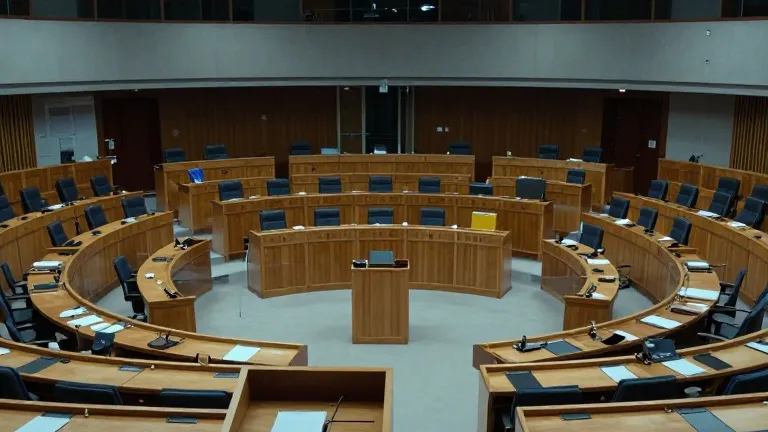
Gulf Maritime Security: Twelve Incidents Mark Worst Month Since 2017
Record losses for commercial shipping coincide with a missile intercept in Saudi Arabia and sharpened rhetoric between Washington and Tehran.
By Bianca Ruiz ·
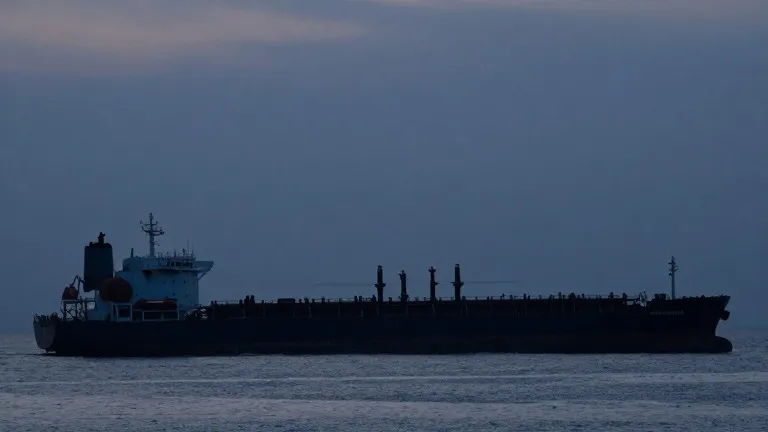
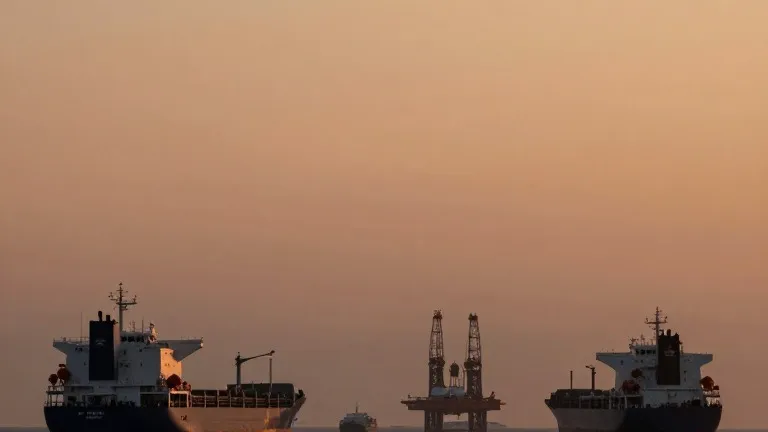
Twelve incidents involving commercial vessels in the Strait of Hormuz and nearby waters occurred in October, marking the worst month on record since tracking began in 2017. The data, compiled by a Washington-based think tank, shows a sharp rise in threats to global supply chains. This peak in maritime insecurity coincides with escalating military tensions across the Middle East.
The situation deteriorated rapidly over the last several days. On 24 October, Saudi-led coalition forces intercepted a ballistic missile and a drone aimed at the kingdom. Minutes after the interception, the Directorate of Civil Defence issued warnings to residents in Riyadh, Najran, and Wadi al-Dawasir. The agency later confirmed the danger had passed in those areas. Simultaneously, the Iranian Revolutionary Guard Corps Navy announced that two supertankers struck naval mines. The vessels were attempting to use an unauthorized route south of the Strait of Hormuz. The United Kingdom Maritime Trade Operations reported a separate incident where a tanker was hit by an unknown projectile seven nautical miles off the Omani coast.
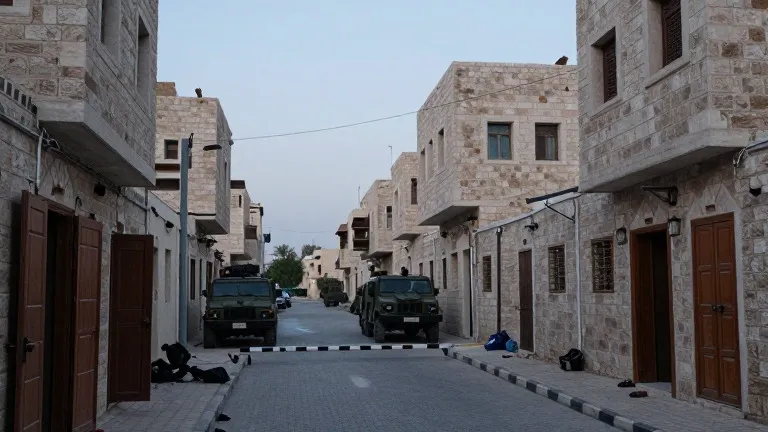
Political rhetoric intensified alongside the physical strikes. US President Donald Trump told a rally in Florida that Washington might launch another military operation against Iran. In response, Major General Abdollahi, Iran's armed forces chief of staff, stated that under no circumstances will rusting US warships be allowed to re-enter the Persian Gulf. Mohammed Mokhber, an adviser to Supreme Leader Mojtaba Khamenei, described the threats from Trump and Israeli Prime Minister Benjamin Netanyahu as a sign of desperation rather than power. In the occupied West Bank, Israeli forces forced residents of Hebron to leave their homes on foot and demolished buildings near the site of a recent soldier shooting. Troops detained dozens of people during raids across the territory.
Diplomatic and regional developments continue to shape the conflict. Iranian President Masoud Pezeshkian is scheduled to travel to Moscow next week. He is expected to meet Russian President Vladimir Putin and attend the Gas Exporting Countries Forum summit on 27 October. In London, Foreign Secretary Ed Miliband said Britain is redoubling its efforts to find diplomatic solutions, noting the conflict is driving up bills for families in Britain. In Syria, protests broke out against repeated Israeli incursions in the south, following an earlier strike that killed a man with a disability. Turkish Foreign Minister Hakan Fidan indicated that the time has come to reunify Libya's rival administrations, hinting at a near-future announcement. In Israel, Netanyahu warned of potential international banking sanctions just four days before the Knesset election, suggesting cryptocurrency could help the country circumvent them.