Rubio asks Cubans to secretly contact CIA while Trump orders warships near shore
The State Department head encouraged islanders to pursue private cooperation with American intelligence while the president detailed a plan for warships to pause near the coast.
By Bianca Ruiz ·
Cuban officials face a new diplomatic challenge this week as the United States pairs naval posturing with an invitation for secret intelligence contact.
Secretary of State Marco Rubio published a message on social media on Friday addressed to citizens seeking political change in their island nation. He pointed to broken promises, corruption, and the wealth of a small elite as reasons for the population to act. Rubio urged those groups to form a "discrete partnership with the CIA." He appeared to use the word discrete, which means separate, when he likely intended discreet, meaning private or secret. His parents left the island for the United States before the socialist revolution began.
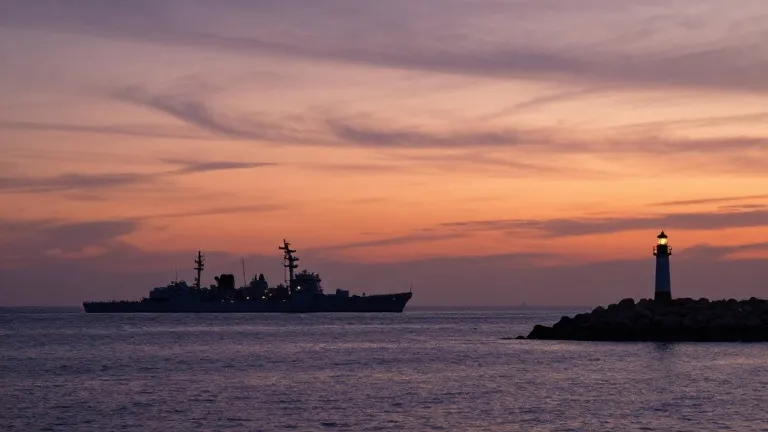
President Donald Trump outlined a specific maritime plan at a campaign rally in south Florida on Friday. He responded to a question from the crowd about Cuba by describing a stopover for American warships returning from the Iran conflict. Trump said one ship would stop approximately 50 yards from the coast. He described the sailors raising their hands before Rubio would arrive to finalize an agreement. The president had not mentioned this specific idea in recent months but had floated it earlier in the year.
Havana reacted to the comments with sharp criticism on Friday. Deputy foreign minister Carlos Fernandez de Cossio posted on X that the United States was recruiting for the CIA publicly. He described the intelligence agency as desperate or miserable for selling its services like a tube of toothpaste. The timing of these remarks coincides with midterm elections where voters have expressed concern about the impact of the Iran war on the prices of gas and groceries.
The administration has maintained an aggressive stance on Cuba since May, when it announced criminal charges against former leader Raúl Castro. Trump told reporters in the Oval Office that he expected to be the president who intervened in the island. Rubio stated that Cuba remained a national security threat due to its ties to US adversaries. He said the government wanted a peaceful resolution but doubted the current Cuban leadership would agree to one.
Negotiations between the two governments have produced mixed results. Senior US aides met Cuban officials in recent months to explore better relations, but Washington remained unimpressed by the outcomes. More sanctions followed those meetings. Trump told reporters last month that Rubio was deep into negotiations and expected a deal without military action. However, the two countries clashed at the United Nations earlier this week as the US worked to build opposition to an annual vote condemning the American economic embargo.
Cuba has endured an economic and energy crisis since 2020. Its gross domestic product has shrunk, and its 10 million residents have faced blackouts, food shortages, and high inflation. Waves of protests have occurred in recent years, and hundreds of thousands of citizens have emigrated, with many settling in the United States.