Satellite data confirms 9,000 hectares of new poppy fields in Pakistan
Afghan farmers are leasing land and bringing capital to Balochistan, creating a new opium supply hub after the Taliban's 2022 ban reduced domestic output.
By Maya Bauer ·
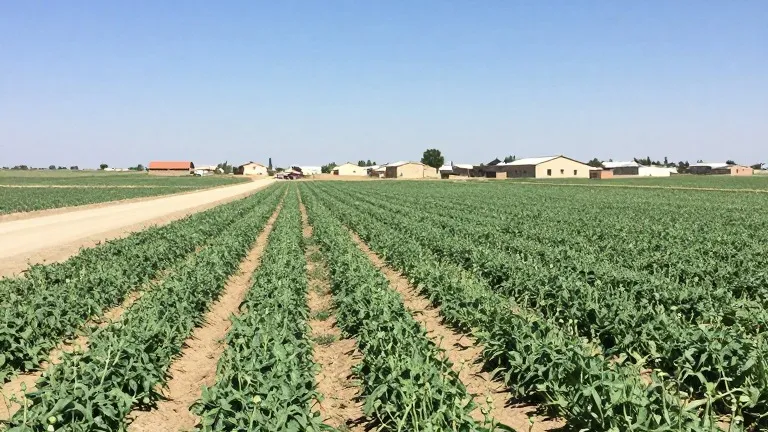
Satellite imagery confirms that more than 9,000 hectares of poppy fields now exist in Pakistan's Balochistan province. This marks a sharp increase in illicit crop cultivation in a region that has historically been a minor player in the global opium trade. The new supply base is altering market dynamics for heroin and raw opium.
David Mansfield, a UK-based expert on Afghanistan's drug industry, stated that the Taliban's 2022 ban on narcotics pushed production across borders. He noted that the remote borderlands of Pakistan, Iran, and Afghanistan have become a global center for opium production. The shift is driven by Afghan farmers who possess the capital and expertise to cultivate the crop in neighboring countries.
In Balochistan, cultivation is concentrated in the districts of Loralai and Killa Abdullah. Mansfield wrote an August report for the British firm Alcis, which analyzed the satellite data. The report indicates that growers are expanding their operations rapidly. Many farmers doubled their cultivated land in 2026, a trend Mansfield described as a stark indication that 2027 yields will be higher.
Local officials in Killa Abdullah have offered conflicting accounts of the situation. Monawar Hussain, the district's chief administrative officer, said cultivation declined following an eradication campaign last year. However, Alcis imagery from 2026 shows no clear evidence of that destruction. Abdul Qahar Wadan, a former National Assembly member, alleged that senior military officials and government power brokers are taking commissions from growers.
A farmer in Killa Abdullah, speaking anonymously, said growers pay bribes to local authorities through intermediaries. He claimed that when media attention increases, officials sometimes plant poppies on barren land to destroy and publicize the effort. Lala Jan Kakar, a resident of the district, said that drought and flash floods have devastated traditional fruit farming. He noted that the income from poppies is significantly higher than from other crops.
Afghan farmers from Kandahar and Helmand provinces are leasing land in Balochistan. They invest millions of Pakistani rupees in solar-powered wells and share profits with local landowners. Poppies can be harvested twice a year, which improves the return on investment for these capital-intensive operations. This financial model is attracting more growers to the region.
A similar pattern is emerging in Iran's Sistan-Baluchistan province. Afghan farmers are working as tenants and sharecroppers, often relying on family ties to secure land. Satellite imagery from 2026 shows extensive poppy fields in the area, some using drip irrigation. This costly infrastructure suggests that growers planted in late 2025 expected a low risk of eradication.
Iranian authorities have been unable or unwilling to destroy the 2026 crop due to their focus on the war against the United States and Israel. Experts expect cultivation to rise further in 2027 as the Iranian economy faces pressure. The province is also experiencing an intensifying separatist insurgency, which complicates government enforcement.
Inside Afghanistan, opium cultivation is rebounding despite the official ban. Production is concentrated in northeastern Badakhshan Province and several southwestern provinces. Mansfield said that southwestern cultivation almost doubled between 2025 and 2026. Farmers are concealing the crops within wheat fields and behind compound walls to avoid detection.
The Taliban issued a directive barring home searches for poppy or opium without a court order. Mansfield warned that this concession may signal tolerance for cultivation beyond walled compounds. He said that if farmers interpret the move as a green light, Afghanistan could see a dramatic rise in opium production in 2027. Rising drug production also fuels regional violence as armed groups compete for tax revenues from the trade.
More Business · World news · Buyer Beware · Report a business · Got a Story?