Tesla counts lifetime FSD buyers toward 1.74 million subscription total
Tesla reports 1.74 million active FSD users, but the metric includes owners who paid upfront years ago rather than just current monthly subscribers.
By Bianca Ruiz ·
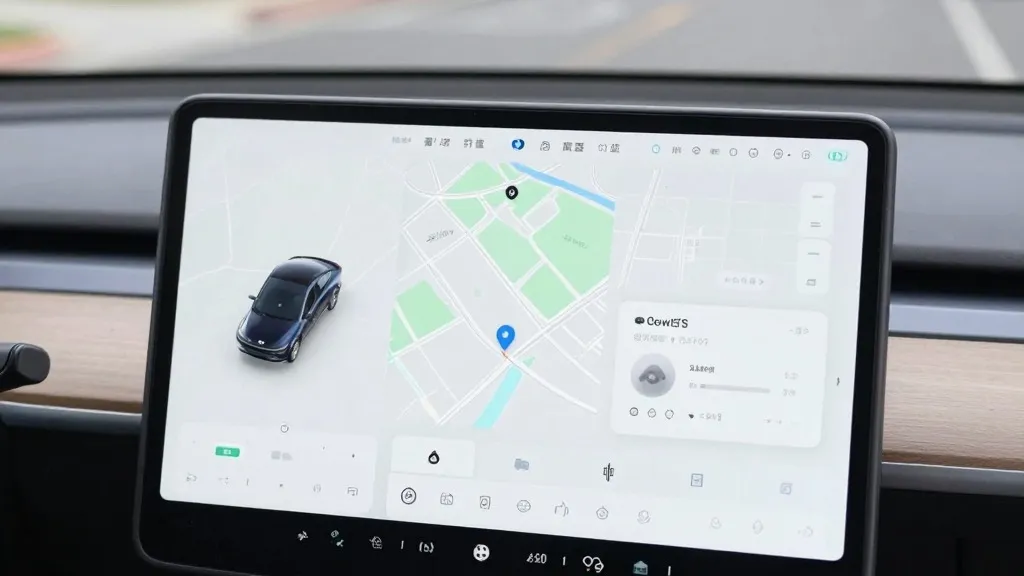
Tesla has reported that its Full Self-Driving software now has 1.74 million active users. This figure represents a 67 percent increase from the same period last year. The company released this data in its third quarter 2026 shareholder letter. The headline number is significant for investors and employees alike. It serves as a key indicator of the company's software growth. However, the definition of an active user is not as straightforward as it appears. A footnote in the report clarifies how Tesla arrives at this total.
The company states that the metric follows the rules set for the 2025 CEO Performance Award. This means it includes both customers who pay a monthly fee and those who bought the software as a one-time purchase. In other words, an owner who paid for the software five years ago still counts as a subscriber today. This matters because hitting 10 million active subscriptions is a specific milestone for Elon Musk's compensation package. It also highlights a gap between what was sold and what is currently delivered. Many of these users purchased unsupervised self-driving capabilities that Tesla has not yet fully implemented.
Tesla stopped selling the software as a one-time purchase on February 14, 2026. Since that date, new customers can only access it as a monthly subscription. In the United States, the price is set at $99 per month. Prior to that cutoff, customers paid upfront amounts that reached as high as $15,000. All of those previous buyers remain in the active count as long as their vehicles are registered. The only group excluded from this total is those on free trials. This method of counting has been in place for several months. Tesla reported 1.28 million active users in April. It has not disclosed how many of the current 1.74 million are actually paying the monthly fee.
This accounting strategy appears elsewhere in the shareholder letter. The company reports 10.2 million cumulative deliveries. This figure includes unsupervised Robotaxis that have entered commercial operation. This inclusion aligns with another milestone in Musk's pay package, which targets 20 million total vehicles. The company also highlighted a high adoption rate for new cars. Tesla claims that more than 75 percent of new deliveries in North America included FSD subscriptions in the third quarter. The letter describes this as a nearly twenty percentage point increase from the previous quarter. Tesla believes this software is driving demand in markets where it is available.
The 75 percent attach rate is a large number, but the company does not define it precisely. The letter does not clarify if it counts subscriptions started with introductory offers at the time of delivery. It also does not state how many of those initial buyers are still paying after several months. The active subscription metric excludes free trials, but no such exclusion is mentioned for the attach rate. This lack of detail leaves room for interpretation. Investors are left to wonder about the true retention rates of the monthly service.
Musk's 2025 award is structured in 12 tranches. Each tranche requires meeting a market capitalization milestone and an operational goal. The operational goals include delivering 20 million vehicles, achieving 10 million active FSD subscriptions, and producing 1 million Optimus robots. It also includes having 1 million robotaxis in commercial operation and hitting specific adjusted EBITDA targets. As of June 30, Tesla considered only the 20 million delivery milestone to be probable. The other goals remain uncertain.
Tesla added 260,000 net FSD subscriptions in the third quarter. This was its best quarter to date. If the company maintains this pace, it would take about eight years to reach the 10 million mark. If it maintains the pace of the last 12 months, which averaged about 700,000 per year, the timeline extends to nearly 12 years. The compensation award remains active until 2035. This long runway gives the company time to work toward these ambitious targets.
Counting lifetime buyers as subscribers is not inherently incorrect. Those vehicles do have the software installed. The complexity arises from labeling them as subscribers and presenting the total as proof of momentum. The definition was written to align with the CEO's pay package. It may not fully reflect the business reality for investors. The board approved this definition, and Musk's compensation depends on it. The company has not yet released the number of people paying the $99 monthly fee. This metric is now the headline software figure for Tesla. The board wrote the rules, and the company will not break down the monthly payers.
The attach rate remains the more interesting claim. If it holds up, a 75 percent take rate on a $99-a-month product represents a substantial business. Investors are asking for retention data. They want to know how many North American buyers who started a subscription in the second quarter are still paying today. Tesla obviously knows this number. The clarity of these metrics will be crucial as the company moves toward its 2035 targets.
More Business · Buyer Beware · Report a business · Got a Story?