Senate passes energy permitting bill, forcing data centers to cover costs
The 62-33 vote clears the chamber despite objections from environmental groups and tribal leaders who argue the measure weakens federal protections.
By Beatrice Gray ·
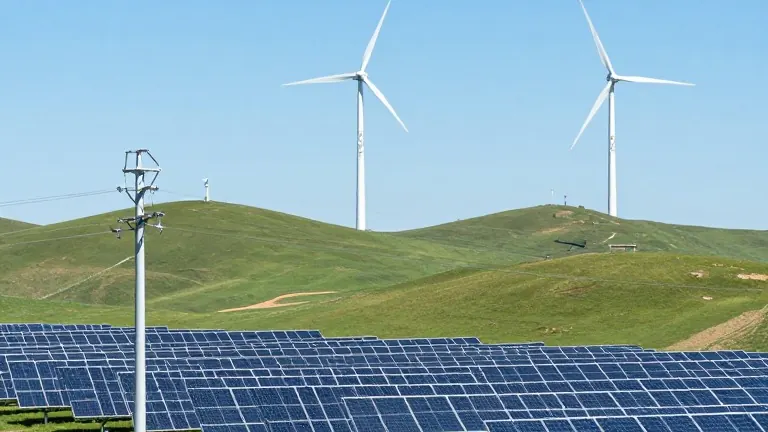
The United States Senate approved a bipartisan energy bill on Thursday that accelerates permitting for power infrastructure and mandates that data centers pay for their electricity usage. The legislation, formally titled the Bipartisan American Affordability and Jobs Act of 2026, passed with a vote of 62 to 33. This marks the first major legislative action by Congress since the midterm elections resulted in a strong victory for President Donald Trump and congressional Republicans.
The bill aims to reduce the time required to approve energy projects, a process that often extends beyond five years. It seeks to lower electricity prices by facilitating the construction of pipelines, mines, and power plants. The measure will now move to the House of Representatives, which previously endorsed a more limited version of the legislation last year. Fifteen Democrats, including Senate Minority Leader Chuck Schumer, voted in favor of the bill. Two Republicans, Josh Hawley of Missouri and Mike Rounds of South Dakota, voted against it.
President Trump endorsed the measure in a social media post, describing it as a major victory for energy independence and dominance. He stated that the bill would lower energy costs for American families. Industry groups representing clean energy developers and the oil and gas sector support the bill, arguing it prevents delays in infrastructure projects that can last a decade or more.
Environmental organizations and some Democrats criticize the bill for weakening safeguards in key laws, including the National Environmental Policy Act, the Clean Water Act, and the Endangered Species Act. Jen Duggan, executive director of the Environmental Integrity Project, said the bill paves the way for more fossil fuel projects while sacrificing public health protections. She described the measure as a gift to major polluters, noting it was rushed through a lame-duck Congress without public hearings.
Senators Jeff Merkley and Ron Wyden of Oregon attempted to delay the final vote to add amendments, including a ban on data centers on public lands. They argued the party should use its stronger position in the next Congress to boost clean energy while limiting fossil fuel expansion. Merkley said the bill promotes the burning of more fossil fuels without adequately tackling climate change. Majority Republicans blocked votes on several proposed amendments, including one to stop the administration from canceling clean energy grants for political purposes.
The bill was approved without the amendments offered by rank-and-file senators. Sen. John Barrasso, the No. 2 Republican in the Senate, said energy projects remain frozen for years in the regulatory process. He argued that construction cannot start without spending years in what he called a regulatory penalty box. The four main champions of the bill, two Democrats and two Republicans, negotiated the deal weeks before the election. They said Americans are tired of high utility bills while projects sit stuck in the planning phase.
Sen. Sheldon Whitehouse, a co-sponsor and longtime climate advocate, called the bill the floor of climate aspirations rather than the ceiling. He expressed hope to accomplish larger goals with the new Democratic majorities in the next two years. Sen. Maria Cantwell of Washington opposed the bill, saying it was rushed and that its impacts are not fully considered. She met with tribal and conservation leaders who argued the measure undermines tribal sovereignty and weakens protections for water, land, and wildlife.
Jameson Wilson, vice chairman of the Oneida Nation, said the bill threatens the tribe's ability to protect sacred spaces and culture. He stated that efforts to accelerate development must strengthen, not diminish, tribal sovereignty. Former Energy Secretary Jennifer Granholm supported the changes made by sponsors, noting they strengthen tribal consultation and state authority over water quality. She wrote that a bigger Democratic majority could write a stronger bill, but it would still require the president's signature. Sen. Alex Padilla of California voted no, citing provisions he said would irreparably harm the state and its 109 federally recognized tribes.