Tanker Spill Forces UAE to Close Beaches as Oil Slick Expands
The Gem No. 2 leak has spread over 35 kilometers, threatening a key biodiversity area and coastal habitats.
By Bianca Ruiz ·
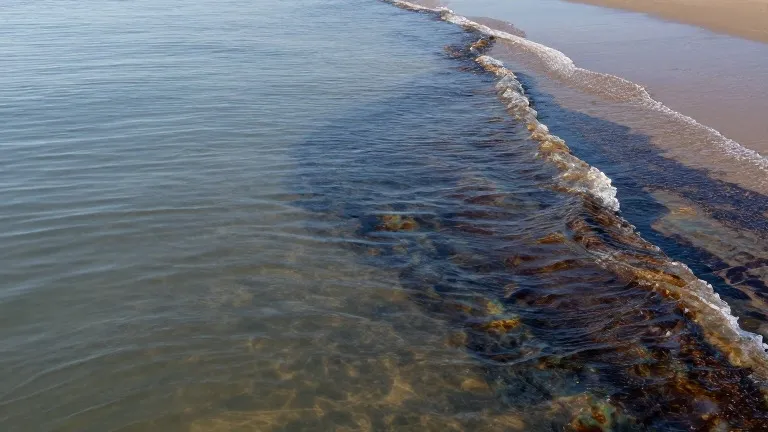
Oil from the damaged tanker Gem No. 2 has reached the shores of the United Arab Emirates, prompting authorities to close beaches and coastal zones. The spill originated after the vessel was struck near the Strait of Hormuz on October 9. Satellite imagery captured on Wednesday shows the slick extending more than 35 kilometers from the ship. The leak was first visible on October 19, but radar data from the intelligence firm MAIAR indicates it grew rapidly over the next two days.
The UAE Ministry of Climate Change and Environment confirmed on Thursday that beaches near the northern city of Umm Al Quwain were affected. Verified video from Friday shows oil washing ashore and turning the water black. The ministry stated that containment efforts began immediately to limit environmental impacts. The Gem No. 2 is a Panama-flagged crude oil tanker. It was hit by an unknown projectile just north of the town of Al Jazeera Al Hamra. The impact started a fire that was later extinguished. Footage from October 10 shows crew members running across the deck in black smoke. Iranian state media reported the ship was attempting to leave the strait via an unauthorized route. The Indian consulate in Dubai confirmed on October 11 that all 22 Indian crew members had been rescued.
The slick is moving toward Siniyah and Khor Al Beidah islands. These islands are part of a globally recognized Key Biodiversity Area. The site contains corals, seagrasses, and saltmarshes. It is also home to green turtles and the critically endangered Halavi guitarfish. Eoghan Darbyshire, a scientist at the Conflict and Environment Observatory, identified the spill's proximity to this area as the most concerning environmental angle. Prof Steve Widdicombe, director of the Sharjah Marine Science Research Centre, told BBC Verify that an impact was inevitable. However, researchers note it is too early to judge the severity of the damage. The outcome depends on the volume and type of oil spilled, evaporation rates, and the effectiveness of the cleanup.
Spills can kill marine life quickly by trapping turtles, smothering seabirds, or damaging fish gills. Prof Widdicombe explained that long-term harm is possible if species remain exposed to toxic compounds in the oil. This exposure can affect the ability of these animals to reproduce. The attack on the Gem No. 2 was part of a record number of ship strikes reported in and around the strait at the start of October. Security experts told BBC Verify the strikes were an Iranian effort to assert greater control over the waterway. This move was a response to the US military escorting more vessels through the area. Commercial ships have been targeted by both Iranian and US forces amid the ongoing conflict between the two countries. This incident follows a major spill in August that reached the shores of Iran's Qeshm Island, threatening local wildlife and fishing communities.