Breaking: Election Day is here! Make your selections: to shape congressional control and oversight
Voters across the nation are deciding who controls Congress amid high prices and an unpopular war with Iran, with Democrats aiming for a net gain in both chambers to launch a new era of oversight.
By Bianca Ruiz ·
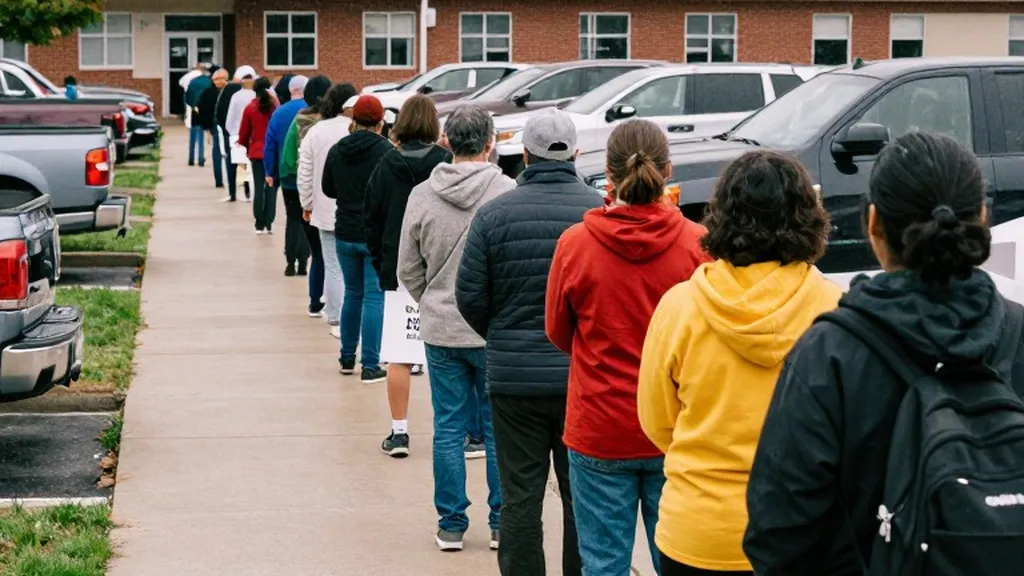
Polls are open across the country as Americans cast their ballots in the 2026 midterm elections, a critical test halfway through President Donald Trump's second term. The results will determine which party holds the power of the purse and the gavel for the final two years of the administration. All 435 seats in the U.S. House and 35 of the 100 seats in the U.S. Senate are up for grabs, alongside 36 governorships. This contest is not merely a procedural update but a direct referendum on the direction of the country, with voters grappling with the tangible effects of economic policy and foreign conflict.
The mood in polling places is defined by a sense of urgency and frustration. The Associated Press describes the election as a referendum on the administration's performance, noting that voters are struggling with high prices and are angry over an unpopular war with Iran. Recent AP-NORC polling indicates that only 35% of U.S. Adults approve of Trump's job performance, while 25% approve of his handling of the economy. Approximately seven in ten adults say the country is heading in the wrong direction, with most blaming the president for the current high price tags on everyday goods.
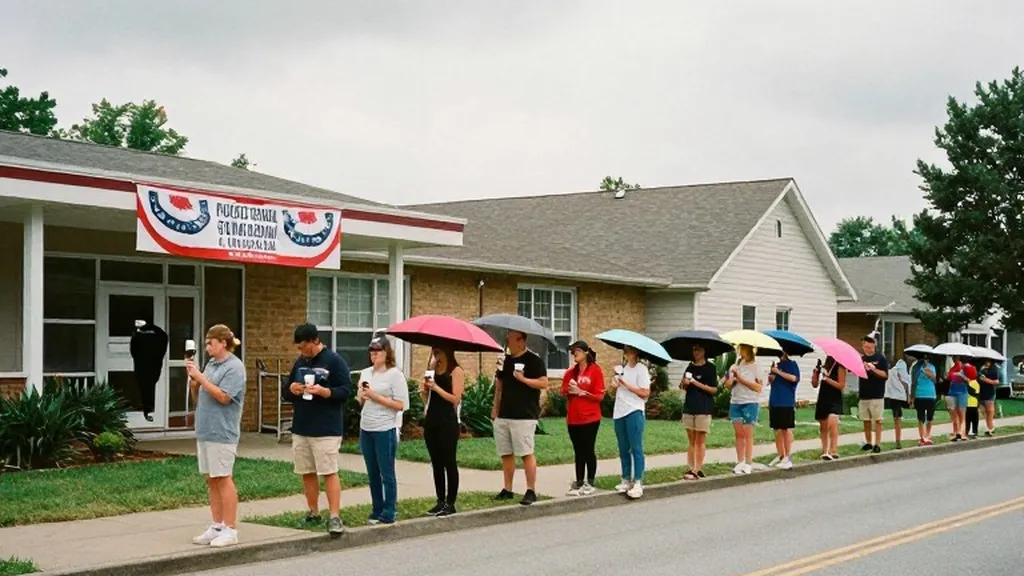
Democratic figures are framing this day as a chance to reset the national agenda. Rep. Suzan DelBene, chair of the Democratic Congressional Campaign Committee, stated that the American people are angry and that they want change. This sentiment is echoed in local voting lines, where personal financial concerns are driving the vote. James Moore, a 57-year-old librarian in Raleigh, North Carolina, captured the prevailing sentiment, saying, "I'm paying more taxes. I'm paying more for my healthcare. I'm paying more for everything." For many, the ballot is a tool to address these immediate pressures on household budgets.
The stakes for the U.S. House are precise and numerical. Republicans currently hold 218 seats, while Democrats hold 214, with one independent and some vacancies. Democrats need a net gain of three districts to secure a majority, a threshold that seems ambitious but is not out of reach given the competitive landscape. Ballotpedia counts 46 battleground districts, with 25 currently held by Democrats and 21 by Republicans. Notably, 21 of these Democratic-held districts voted for Trump in 2024, suggesting that party loyalty is shifting in response to economic conditions. Republicans can afford to lose no more than two seats to maintain their current control.
In the Senate, the math is equally tight. Democrats need a net gain of four seats to claim a majority, while Republicans can lose only two to keep their edge. The 35 seats up for election include 33 regular races and two special elections. The AP highlights several key matchups that could tip the balance, including the race in Georgia where Sen. Jon Ossoff faces Rep. Mike Collins, and the contest in North Carolina between former Gov. Roy Cooper and former RNC chair Michael Whatley. These races are critical because they occur in states where the 2024 presidential margins were narrow, indicating that the electorate is open to switching sides.
The governor's races offer another layer of complexity, with 36 offices on the ballot. Republicans currently hold 26 governorships and Democrats 24, but the 2026 cycle could see a shift. Democrats are defending five governorships in states that Trump won in 2024, including Arizona, Kansas, Michigan, Pennsylvania, and Wisconsin. If Democrats can hold these seats and make gains elsewhere, they could secure a nationwide majority of governorships for the first time since 2010. This would be a significant strategic victory, providing a stronger base for the party's future growth and influence in state legislatures.
Money is playing a significant role in these campaigns, with the 2026 elections likely to be the most expensive in history. Republican committees have outraised and outspent their Democratic counterparts, helped by Trump-affiliated groups and contributions from figures like Elon Musk. However, at the candidate level, Democrats have managed to outraise their opponents. 88.1% of Republican general election TV ad spending went to states and districts that Trump won in 2024. This concentration of resources suggests a strategy to protect the president's base while attempting to expand it in competitive areas.
Voters are also navigating a landscape shaped by redistricting. Six states, including California, Florida, Missouri, North Carolina, Tennessee, and Texas, are using new congressional maps after mid-decade redistricting. Ohio is also using a new map. These changes were often designed to benefit Republicans, but the AP notes that new districts in Florida and elsewhere may not vote as originally drawn. This uncertainty adds a layer of unpredictability to the House races, as incumbents in redrawn districts face new constituencies with different political leanings.
The administration's efforts to influence the election have drawn scrutiny and legal challenges. A federal judge on Monday temporarily barred the Trump administration from carrying out a plan to prevent noncitizen voting, a move critics say risks disenfranchising eligible voters. The administration also sued in Alaska and California, and Democrats have expressed concern about potential interference as the Justice Department threatens to prosecute local election officials. These legal battles underscore the high stakes of the election and the determination of both parties to ensure that every vote is counted and that the process is fair.
The war in Iran has become a central issue, with voters angry over the conflict's cost and impact. The AP notes that this war is unpopular, and it has contributed to the overall negative perception of the administration's foreign policy. For many voters, the decision to continue the war has come at the expense of domestic priorities, such as healthcare and infrastructure. This tension between foreign commitments and domestic needs is a key theme in the campaigns, with Democrats arguing that a new Congress can prioritize the people's daily struggles over geopolitical maneuvering.
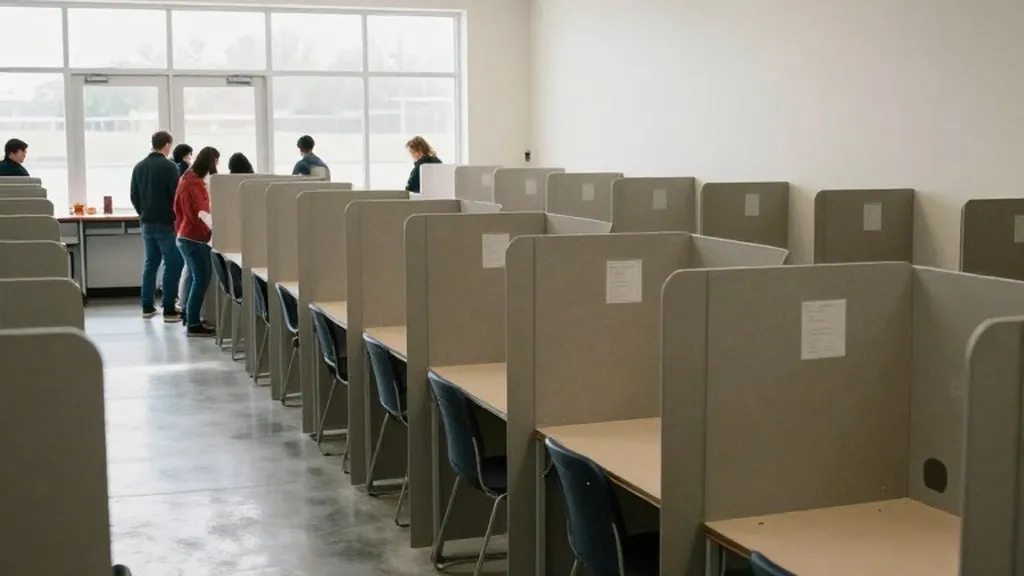
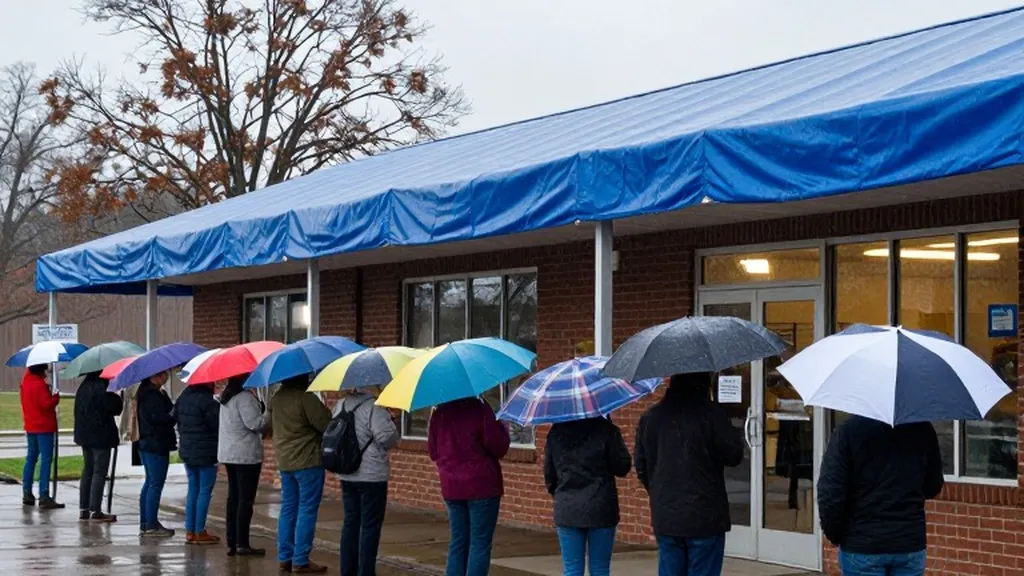
As voters head to the polls, they are encouraged to be prepared and informed. Poll hours vary by state, but most locations are open from early morning until evening. For example, in North Carolina, polls are open from 6:30 a.m. To 7:30 p.m., while in California, they are open from 7 a.m. To 8 p.m. Voters can find their specific polling place at vote.gov or through their state election office. It is important to remember that anyone in line when polls close is entitled to vote, so arriving early is recommended to avoid long waits.
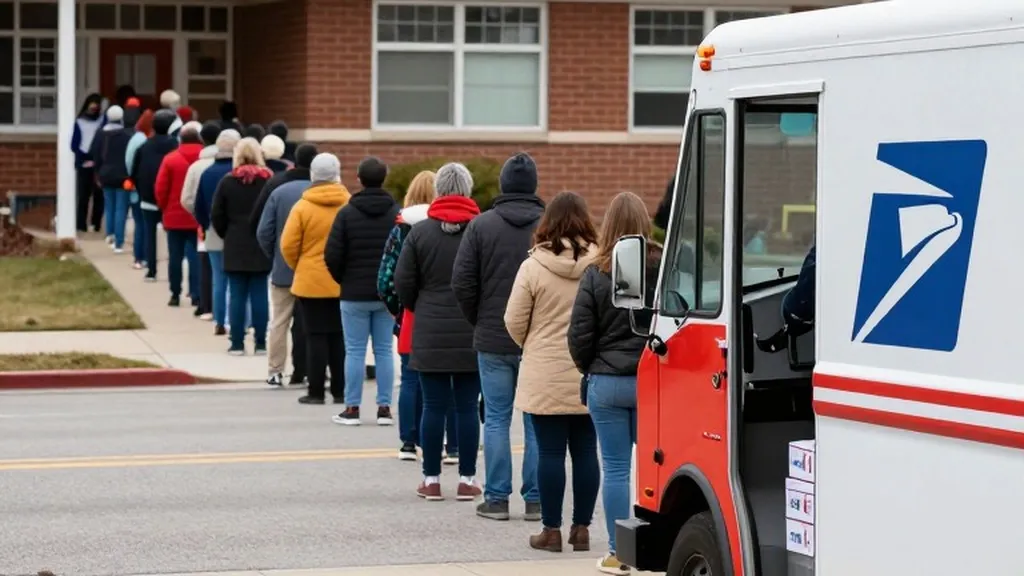
The U.S. Postal Service has added hours, staff, and special lines to ensure that mail ballots are counted on time, addressing concerns about delays in processing. This logistical preparation is crucial for a smooth election day, especially in states where mail-in voting is a significant part of the process. Voters should check their state's ID rules before heading to the polls, as requirements vary. Being prepared helps ensure that every citizen's voice is heard in this critical moment for American democracy.
If Democrats win even one chamber, investigations and possible impeachment proceedings become likely. House Democratic Leader Hakeem Jeffries, who would be the first Black speaker if his party takes the House, has outlined a 100-day agenda focused on the cost of living and oversight of the administration. This agenda reflects the priorities of voters who are tired of high prices and want to see accountability in government. A strong Democratic performance would also boost potential 2028 candidates like Gavin Newsom, JB Pritzker, and Pete Buttigieg, setting the stage for the next presidential cycle.