Senate 2026: Democrats need four seats to seize control amid 13 close races
With 35 seats up for grabs, the Associated Press and Ballotpedia identify the critical battlegrounds where the balance of power will be decided on Election Day.
By Maya Bauer ·
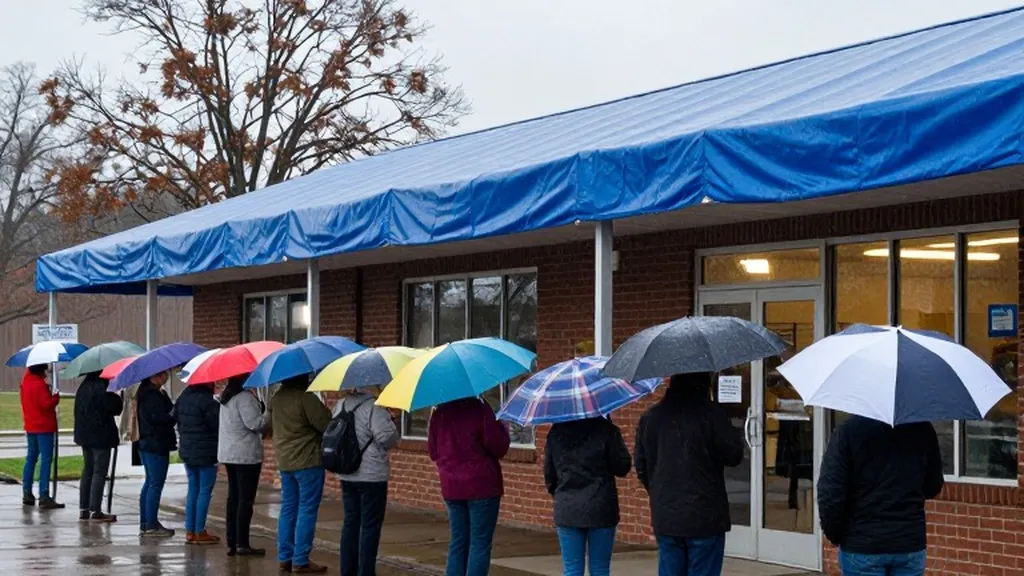
Voters across the United States are casting ballots on Tuesday, November 3, 2026, in a midterm election that will determine the balance of power in the Senate for President Donald Trump's final two years in office. 35 of the 100 Senate seats are currently up for election, comprising 33 regular contests and two special elections for the remainder of the terms held by Marco Rubio in Florida and JD Vance in Ohio. The current composition of the chamber sees Republicans holding 53 seats, Democrats holding 45, and two independents who caucus with the Democrats. For Democrats to claim a majority, they must achieve a net gain of four seats, while Republicans can afford to lose no more than two seats to retain control.
Associated Press reporting describes the election as a referendum on the president's second term, with many voters expressing frustration over high prices and an unpopular war with Iran. AP-NORC polling indicates that 35% of U.S. Adults approve of Trump's job performance, while only 25% approve of his handling of the economy. Approximately 7 in 10 respondents say the country is heading in the wrong direction, with most blaming the president for rising costs. This sentiment is driving a high turnout, with more than 57 million people having already voted as of Monday, a figure that surpasses early vote totals from four years ago in many closely watched states.
The landscape for the 13 identified Senate battlegrounds is complex, with several races featuring retiring incumbents or special elections. In Georgia, Democratic Senator Jon Ossoff is facing Republican Representative Mike Collins in a state that voted for Trump by a margin of 2.2 points in 2024. Ossoff's race is currently rated as lean to likely Democratic by major rating groups. In Maine, Republican Senator Susan Collins is battling Democratic former state Senate President Troy Jackson for a seat in a state that voted for Kamala Harris by 6.9 points in 2024. The Associated Press notes that economic strain and tariffs have made this state particularly competitive, leading all four major rating groups to classify the race as a toss-up.
Other critical contests include the special election in Ohio, where Democratic former Senator Sherrod Brown is challenging incumbent Republican Senator Jon Husted. The state voted for Trump by 11.2 points in 2024, but the race remains a focal point for national control. In Michigan, Republican former Representative Mike Rogers is competing against Democrat Abdul El-Sayed for the seat vacated by retiring Senator Gary Peters. Although the state voted for Trump by a narrow 1.4 point margin, the race is rated as toss-up to lean Democratic. A notable development in Michigan occurred on Sunday when El-Sayed's former primary opponent, Haley Stevens, endorsed Rogers.
In the South, North Carolina presents a high-stakes contest between Democratic former Governor Roy Cooper and Republican former RNC chair Michael Whatley. The state voted for Trump by 3.3 points in 2024, and the race is being watched closely after incumbent Senator Thom Tillis retired following clashes with the president. In Texas, Republican Attorney General Ken Paxton is running against Democrat James Talarico for the seat of John Cornyn. Trump backed Paxton over Cornyn in the primary, and the state voted for Trump by 13.6 points in 2024. The Associated Press highlights these matchups as central to the fight for Senate control.
Further west, the race in Alaska between incumbent Republican Senator Dan Sullivan and the Democratic challenger is rated as toss-up to lean Democratic, despite the state voting for Trump by 13.1 points in 2024. The Trump administration has filed a lawsuit related to the certification of the Senate result in this state. In Iowa, the open seat left by retiring Senator Joni Ernst is seen as a toss-up or leaning Republican, with the state having voted for Trump by 13.2 points in 2024. Kansas, traditionally a reliable Republican stronghold, has become a central battleground, with the race rated from toss-up to lean Republican. The state voted for Trump by 16.2 points in 2024, yet the contest remains highly contested.
Financial dynamics are playing a significant role in the campaign, as the 2026 elections are likely to be the most expensive in history. Republican committees have outraised and outspent Democratic committees, aided by Trump-affiliated groups and Elon Musk. However, at the candidate level, Democrats have managed to outraise their opponents. An AP analysis of AdImpact data shows that 88.1% of Republican general election TV ad spending went to states and districts that Trump won in 2024, including more than $850 million in areas where he won by 10 points or more. This spending strategy contrasts with the Democratic focus on competitive districts and states.
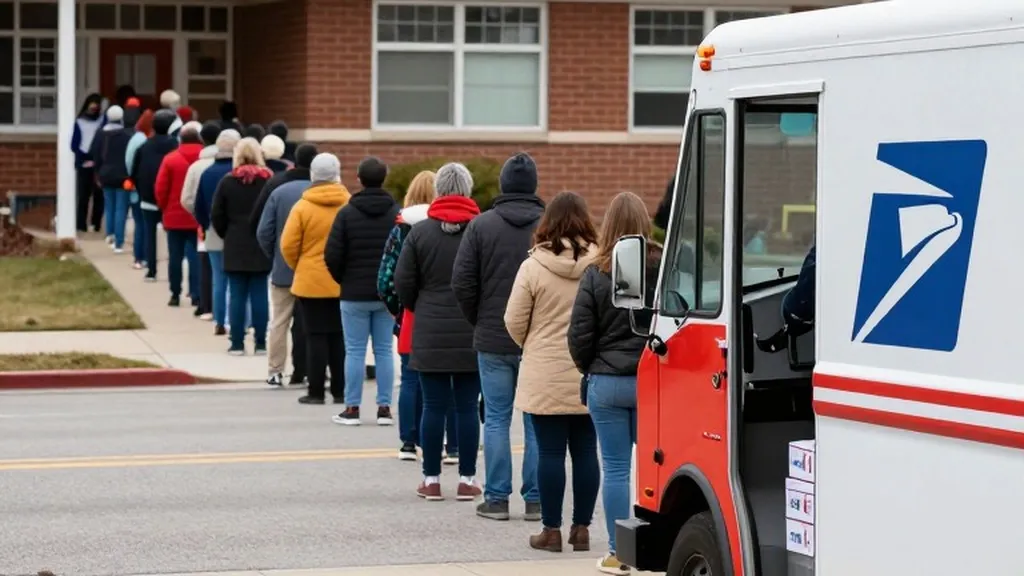
The administration's handling of election administration has also drawn attention. A federal judge temporarily barred the Trump administration from carrying out a plan to prevent noncitizen voting, a move critics say risks disenfranchising eligible voters. In California, a judge ordered the administration to stop demanding that election officials segregate ballots cast by people on lists of suspected noncitizens. The U.S. Postal Service has added hours, staff, and special lines to ensure mail ballots are counted on time. These administrative issues have added to the tension in an election already viewed as a test of the president's authority.
Political leaders on both sides are framing the stakes of the outcome. RNC Chairman Joe Gruters stated that everything depends on turnout, emphasizing the importance of mobilizing voters. DCCC Chair Rep. Suzan DelBene countered that the American people are angry and want change. If Democrats win even one chamber, investigations and possible impeachment proceedings become likely, with House Democratic Leader Hakeem Jeffries, who would be the first Black speaker, outlining a 100-day agenda focused on the cost of living and oversight. A strong Democratic performance could also boost potential 2028 candidates such as Gavin Newsom, JB Pritzker, and Pete Buttigieg.