Iran's top general says US Navy cannot return to Gulf waters
Brent crude reached $117 per barrel as Iranian officials declared American warships banned from the region and renewed attacks on shipping.
By Maya Bauer ·
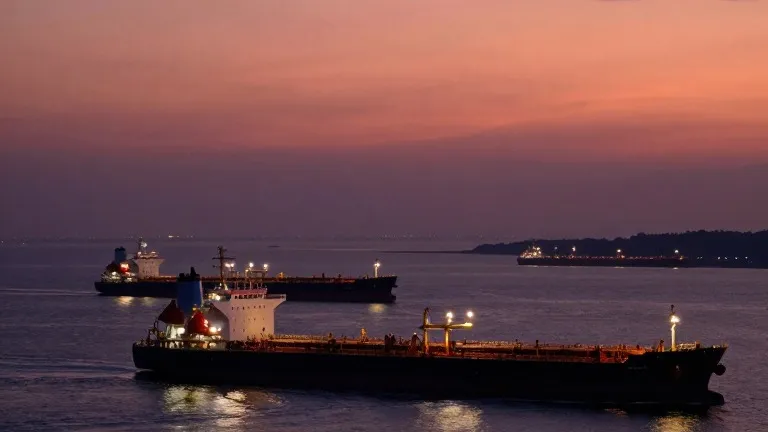
Ali Abdollahi, the chief of general staff of Iran's armed forces, stated on Saturday that the United States Navy is barred from re-entering Iranian territorial waters. Speaking in a statement distributed by state media, Abdollahi said Iran can now target any vessel in the area. He told the American president to dream about his soldiers returning to the Persian Gulf.
The declaration followed remarks by President Donald Trump at a rally in Florida on Friday. Trump said the US military might launch another operation called Epic Fury, a name used for a large bombing campaign at the start of the current conflict. He indicated that Washington has not yet decided whether to end the fighting with massive strikes or continue its naval blockade and sanctions.
Abdollahi criticized US rhetoric as contradictory. He argued that American claims of having destroyed Iranian military capabilities are undermined by Washington's refusal to move aircraft carriers closer to Iranian territory. The Iranian general said forces intended to trap the US and Israel in a quagmire in response to a surprise attack on February 28 that began an eight-month war.
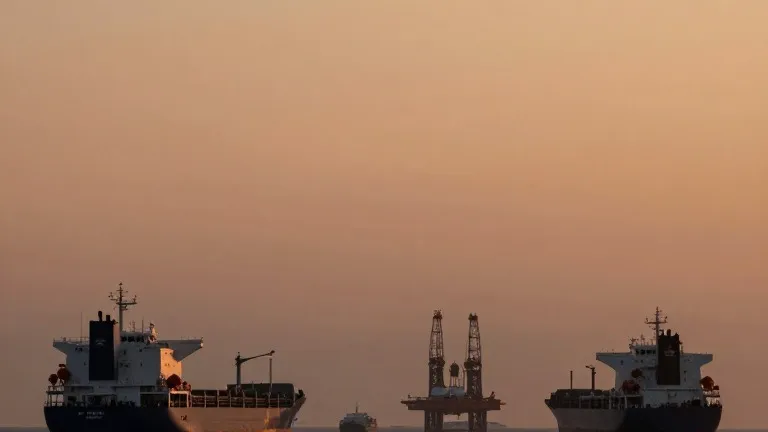
Oil markets reacted to the rising tension. Brent crude prices climbed to approximately $117 per barrel, the highest level since April. The Islamic Revolutionary Guard Corps reported that seven tankers were attacked or struck by mines overnight into Thursday. On Friday, the IRGC claimed two supertankers hit mines. The group said its military doctrine has shifted to a more offensive stance.
Shipping lanes around the Strait of Hormuz remain under threat. Washington reportedly ordered many diplomatic staff to leave Saudi Arabia, with others expected to depart other regional countries. The Houthis in Yemen struck Riyadh on Saturday following recent attacks on Dammam's airport and the Shaybah oilfield. Saudi forces responded by bombing Houthi-held areas in Marib and Taiz.
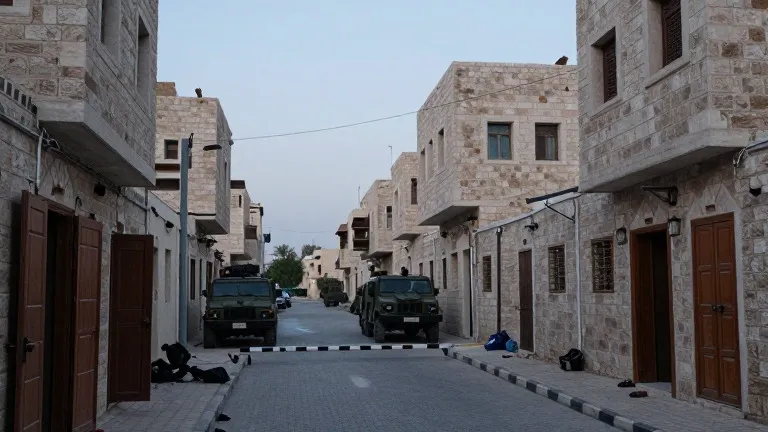
In Lebanon, Israeli airstrikes hit the area around Nabatieh, and artillery fire fell near Zawtar ash-Sharqiyah. Israeli Prime Minister Benjamin Netanyahu ordered a lockdown of the occupied West Bank after two Israeli soldiers were killed in Hebron. Netanyahu faces an election on October 27.
Diplomatic efforts in Istanbul stalled on Friday. Senior diplomats from Turkiye, Saudi Arabia, Pakistan, Egypt, the UK, France, Germany, and Italy met without representatives from the US or Iran. Turkish Foreign Minister Hakan Fidan warned that a new attack on Iran would widen the war. German Foreign Minister Johann Wadephul blamed Iran and the Houthis for instability, while regional ministers cited Israeli occupation as a primary source of conflict. They supported a June memorandum signed in Islamabad and demanded free passage through Hormuz.