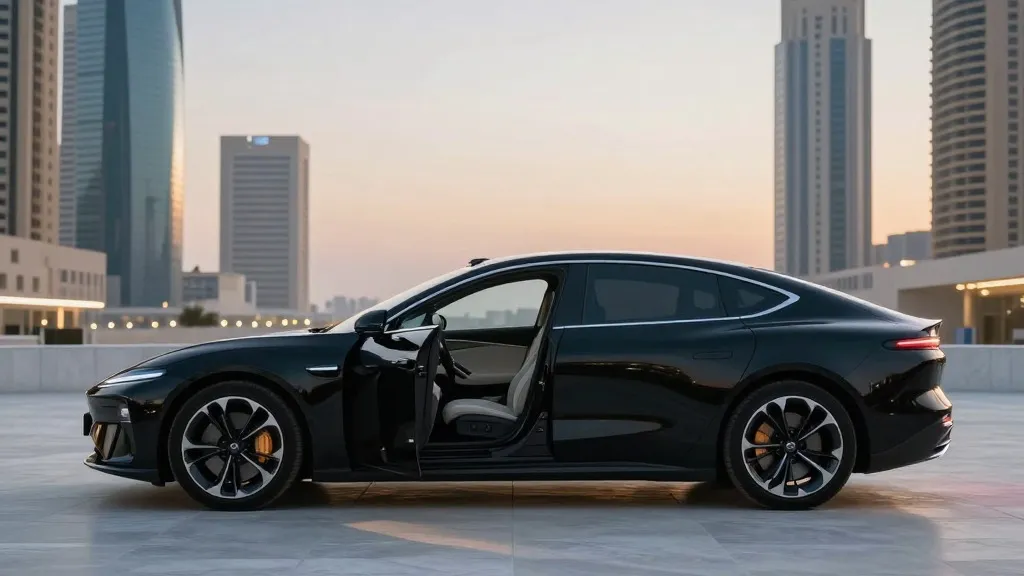
NHTSA Cyan Light Proposal: Federal Regulators Seek Uniform Signal for Robotaxis
The agency proposes a specific color to distinguish autonomous vehicles while relaxing outdated rules for cars without human drivers.
By Beatrice Gray ·
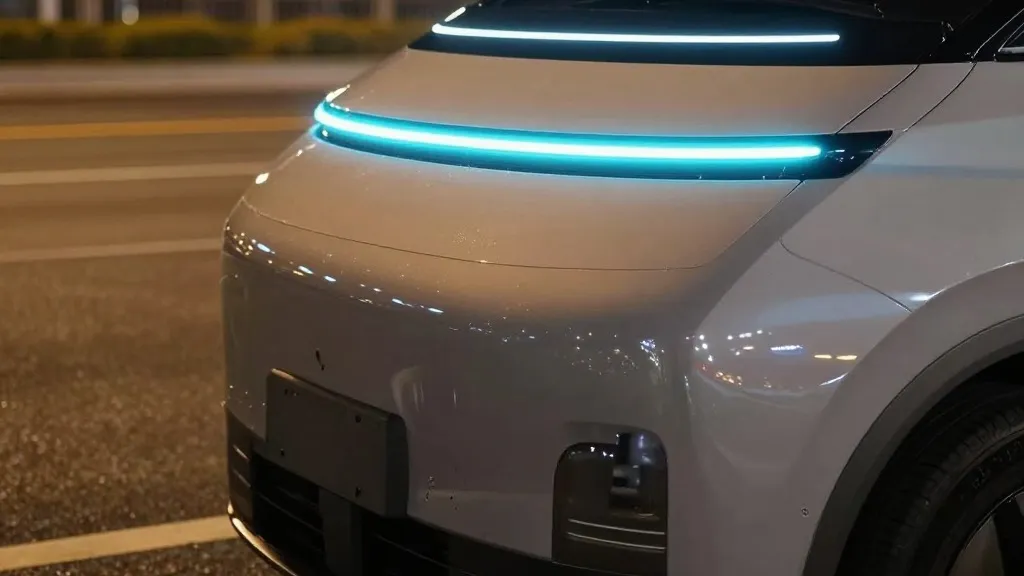
The National Highway Traffic Safety Administration has proposed a federal standard requiring a distinct blue-green light on autonomous vehicles. The rule would mandate a cyan marker lamp to signal to law enforcement and other drivers that an automated system is in control. This move attempts to resolve a long-standing industry debate regarding how robotaxis should visually differentiate themselves from traditional cars.
The proposal targets Federal Motor Vehicle Safety Standard No. 108, which currently governs vehicle lighting. The agency argues that existing colors are already assigned to specific functions, such as braking and turn signals. Red, amber, white, and flashing blue or red lights occupy these roles. Cyan would fill a visual gap without causing confusion on the road.
The regulatory effort follows a period of state-level experimentation. Mercedes-Benz previously secured approval for turquoise lights on its Level 3 Drive Pilot vehicles. The automaker later abandoned that approach in favor of a Level 2++ system. NHTSA now seeks a national standard that companies like Waymo, Nuro, Zoox, and GM can adopt uniformly.
Under the new rules, the cyan lights would remain optional for manufacturers. However, if a company installs them, the federal government would dictate the color, brightness, and placement. This aims to prevent a patchwork of inconsistent signals across different fleets and models.
The amendment also removes lighting requirements that apply only to human-driven vehicles. Current rules mandate physical hazard switches, manual beam shifters, and turn levers inside the car. NHTSA proposes eliminating these controls for driverless vehicles. The agency also plans to update the 12.8-volt testing standard to accommodate modern LED systems and is considering dropping rules on high-beam placement relative to low-beam lights.
These changes align with the Department of Transportation's push to accelerate autonomous vehicle deployment. The goal is to simplify the build process for cars that lack traditional human controls like steering wheels and pedals. The agency is considering whether high-beam lights must sit above or below low-beam lights.
Existing regulations remain in effect until the new standards are finalized. Last month, NHTSA opened an audit query into the Tesla Cybercab to examine the technical data used for its certification. The inquiry focuses on the vehicle's lack of sideview mirrors, pedals, and a steering wheel, all of which are currently required under federal standards.
More Business · Tech news · Buyer Beware · Report a business · Got a Story?