US and Iran Weigh Next Move as Political Shifts Loom in Washington and Jerusalem
Limited strikes and tanker fires mark a fragile pause while new congressional and Israeli political dynamics reshape the strategic calculus.
By Maya Bauer ·
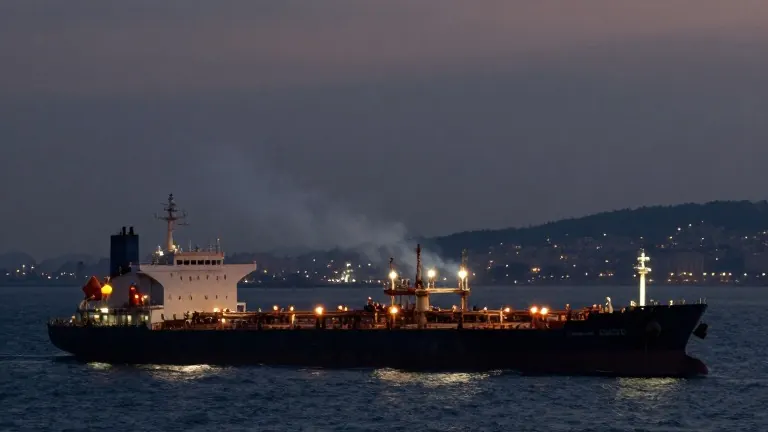
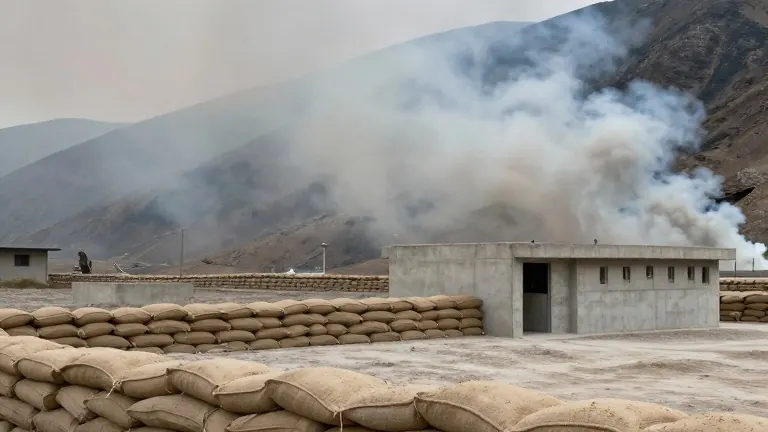
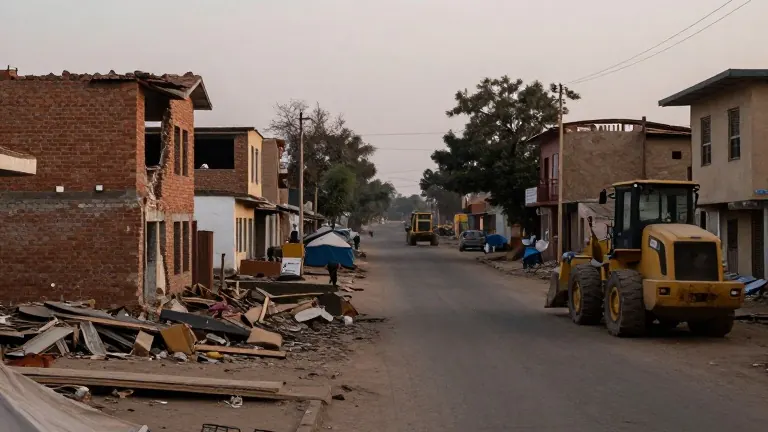
US military activity against Iran has slowed to a lower gear since the November 3 midterm elections, but the threat of renewed conflict remains tangible. On Monday, American forces executed limited strikes on targets at Qeshm Island, an action officials labeled defensive rather than a full resumption of hostilities. This pause coincides with reports of damage to commercial shipping in the Strait of Hormuz, signaling that friction between the two powers continues despite the lull in major operations.
The political environment in Washington has changed, but the mechanisms for war have not. The November 3 vote transferred control of both the House and the Senate to the Democrats, a shift that emerged after economic costs tied to the conflict weighed heavily on the Republican campaign. The new Congress is not set to convene until January 3, 2027, leaving Republicans with their current majorities in the interim. Even after that date, President Donald Trump retains the authority to order military action, although Congress can contest funding and authorizations, a power that remains legally disputed.
Tehran interprets the US election results as a strategic win, using the outcome to bolster its internal narrative of resistance. Dr. Ebrahim Roshandel, a former Iranian diplomat, noted that the Islamic Republic is actively trying to widen the gap between Washington and Arab nations. He stated that the regime aims to convince regional partners that accommodation with Iran is a viable alternative to reliance on the US. Meanwhile, Dr. Nabi Sonboli of the Institute for Political and International Studies in Iran expressed skepticism about the new US political dynamic, stating, “I prefer not to expect any wise decisions from Trump and his team. Confrontation is still possible.”
Israel faces a parallel period of political uncertainty following the October 27 Knesset election. Prime Minister Benjamin Netanyahu’s allied parties hold 53 seats, while a bloc supporting opposition figure Gadi Eisenkot holds 48. With 19 seats held by Arab-led parties, no clear governing majority exists, and Netanyahu continues to lead as a caretaker. Dr. Raz Zimmt of the Institute for National Security Studies in Israel argued that the internal Israeli dispute is secondary to the American decision-making process. “Netanyahu doesn't make the decisions,” Zimmt said. “He probably tried to convince President Trump to strike Iran before the elections. He failed to do that.”
The core strategic dilemma persists regardless of who holds office in Jerusalem or Washington. The International Atomic Energy Agency estimated in June 2025 that Iran held 440.9 kilograms of uranium enriched to 60 percent, a level far above civilian standards but not definitive proof of a weapon. The agency has lost access to key facilities and cannot verify the current location or status of this material. Zimmt noted that aerial strikes on sites like Pickaxe Mountain would delay operations but would not eliminate Iran's advanced centrifuges or its technical knowledge. “It won't deprive Iran from its 440 kilograms of enriched uranium,” Zimmt said.
Analysts describe a range of imperfect options for the US. Zimmt identified continued pressure, negotiated compromise, or limited strikes as potential paths, noting that each carries the risk of escalation. He warned that even an attack intended to end the confrontation could trigger an Iranian response that prolongs it. Roshandel offered a different perspective, arguing that the US should engage with the Iranian opposition to create alternative leverage. He claimed that internal economic and political weaknesses would lead to major protests within three months, a timeline Zimmt described as optimistic given the regime's resilience.